
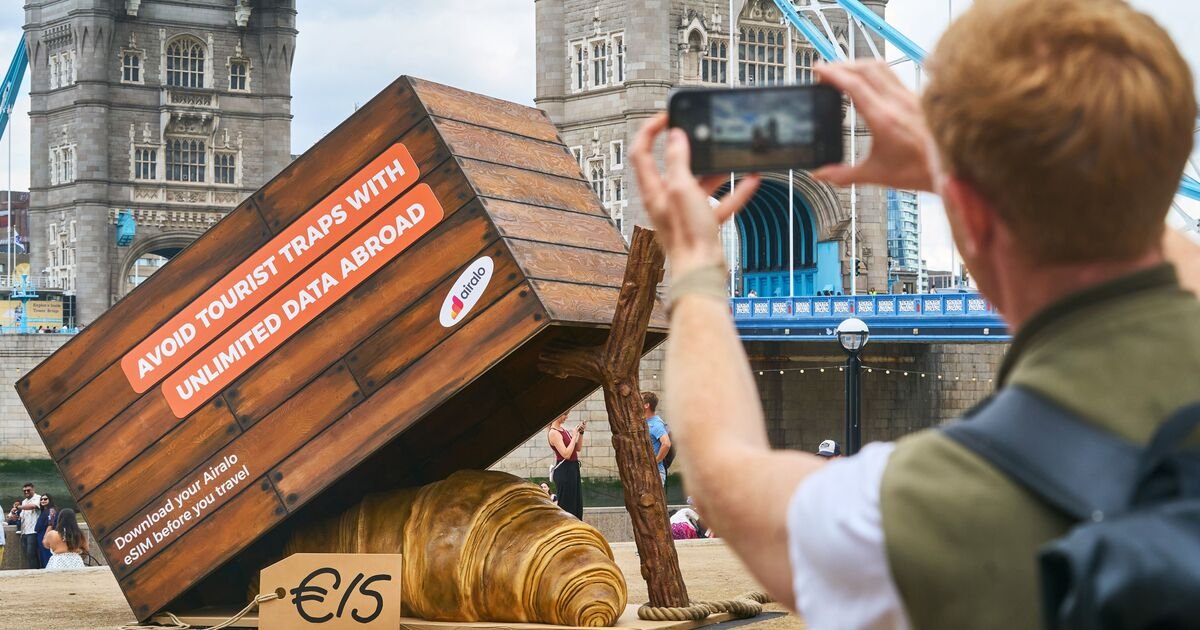


Holidaymakers are knowingly being ripped off at tourist hotspots (Image: PinPep)
More than a fifth of holidaymakers have fallen into tourist traps while holidaying abroad, losing an average of £200. More than half (52%) believe popular overseas holiday destinations are getting worse each year for ripping people off.
The survey of 2,000 holidaymakers found 27% have knowingly been ripped off or overcharged while on holiday. The most common include overpriced food and drinks sold at tourist hotspots, taxi rides, hidden fees when using card machines, being charged more than locals at restaurants, and fake tour guides.
The research was commissioned by the eSIM platform Airalo, which offers mobile data coverage in more than 200 destinations around the world.
Matteo Papa, growth director (Europe & CIS), said: “Falling victim to a tourist trap can put a dampener on, and in some cases a financial strain on, a dream holiday.
“While some traps can seem harmless at first, the costs can quickly add up and leave travellers feeling frustrated or out of pocket.
“Doing a little research before you travel, checking reviews, and staying connected while you’re on the go can help holidaymakers make more informed decisions and avoid common pitfalls.
“Being aware of the most common rip-off tactics in your destination can go a long way towards helping you enjoy a smoother, more stress-free trip.”

Airalo installed a ‘Tourist Trap’ to highlight the issue to passers-by in London (Image: PinPep)
The study found having reliable internet access makes 69% feel safer when travelling abroad, with 21% typically ‘always’ connected to the internet or mobile data when on holiday.
For 46%, without internet access they are unable to contact friends or family, while others would be unable to navigate unfamiliar areas (40%), and or access tickets and bookings (29%).
Half of holidaymakers are now more cautious when spending money or booking activities abroad compared to five years ago.
To prevent being ripped off while on holiday, 50% have avoided carrying large amounts of cash, while 37% have only used licensed taxis or ride-hailing apps.
Airalo launched an activation in London, creating a ‘Tourist Trap’ featuring overpriced croissants with the price tag of €15 to warn passers-by of the bait faced on holiday.

The price tag warns of the potential scams people could face on holiday (Image: PinPep)
To help holidaymakers dodge additional costs this summer, the brand is offering new users 20% off sitewide data plans with the code ‘CROISSANT’, ensuring travellers stay connected and protected.
A spokesperson for the brand added: “Even seasoned travellers can be caught out when they’re unfamiliar with local customs, prices, or payment methods.
“Taking a few simple precautions before and during your trip can make a real difference, helping you feel more confident when making purchases or booking experiences.
“Ultimately, being prepared means you can spend less time worrying about unexpected costs and more time enjoying everything your destination has to offer.”
TOURIST TRAPS HOLIDAYMAKERS HAVE EXPERIENCED ABROAD:
- Food, drinks, and merchandise sold at inflated prices because of a location’s captive audience
- Overpriced taxi rides or taxi drivers taking deliberately longer routes to increase the fare
- Hidden charges while eating out (e.g. paying for ‘complimentary bread’ left on the table)
- Expensive local souvenirs which turn out to be cheaply mass-produced
- Being charged more than a local would be in a restaurant
- Card machines or ATMs secretly applying large hidden conversion fees
- ‘Free’ gifts or bracelets which later require payment
- Tour guide rip-offs (i.e. paying a premium for a low-quality tour)
- Tourist photo scams (e.g. being charged unexpectedly for photos)
- Paying for unsolicited ‘help’ with luggage at airports or train stations
