
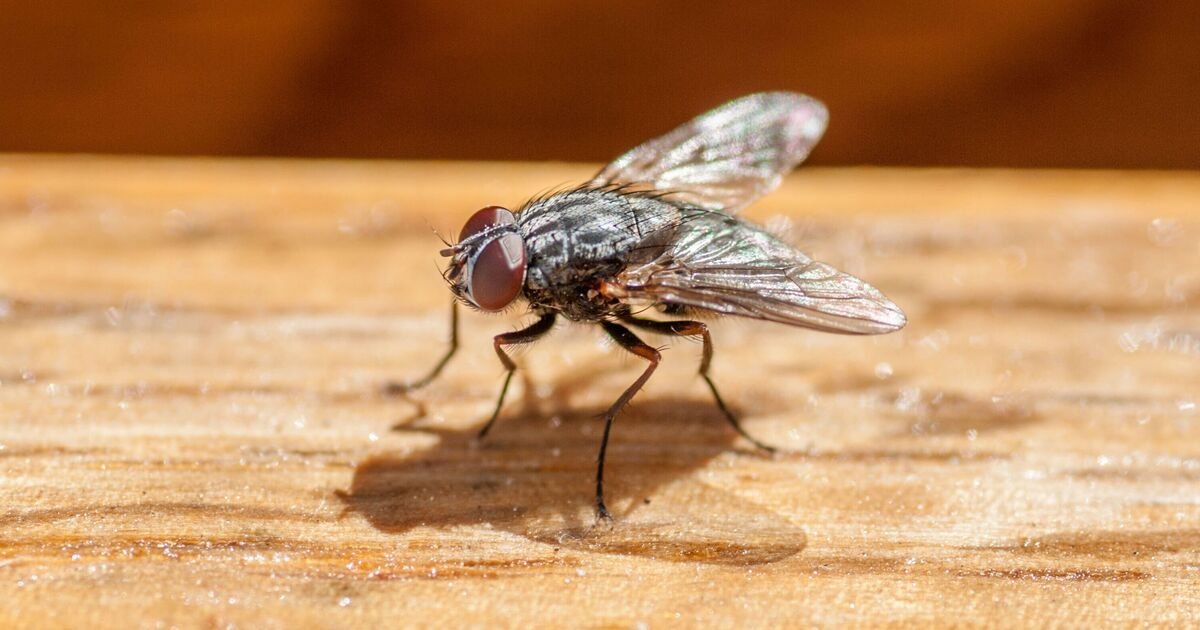

With the warm weather that Britain has been experiencing, many of us have had our windows wide open and witnessed flies buzzing around in our homes. Flies flourish in hot and damp environments as these conditions speed up their breeding cycle and encourage them to lay more eggs.
While it might seem easy to simply grab a spray to get rid of flies, these products often contain harmful chemicals that can linger in the air and continue to cause irritation throughout the day. Moreover, sprays are not very effective in the long run, as they won’t prevent new flies from entering your home, meaning your pest problem will just continue. Instead of this method, Richard Cale – an expert from Leaf Culture – suggests a natural deterrent.
Cale suggested that certain plants on the windowsill will prevent flies from evading your home – and it’s a nice decor touch, too.
He said: “If you’re tired of annoying flies getting into your home, think about adding some natural defences like houseplants. Certain plants can enhance your living space and also act as powerful fly repellents.”
It may sound strange, but certain herbs can produce essential oils that can confuse flies and even be mildly toxic to them.
Plants mask the smell of fruit or any other food scents that attract flies to homes, making your home less appealing to them.
Placing plants on your windowsills makes it trickier for flies to hunt for food and can easily overpower a fly’s sensory system to keep them away from your home.
Houseplants that stop flies from coming into your home
Lavender
Lavender, which is renowned for its lovely sweet scent, might be appealing to people but it’s loathed by flies. This beautiful plant also contains oils like linalool which significantly annoy flies, serving as a natural deterrent.
Richard said: “Lavender plant is popular because of its vibrant purple blossoms and relaxing aroma. Beyond that, this plant is an effective insect-repelling agent. The essential oils in lavender naturally prevent flies.”
Lavender needs six hours of sunlight daily, so it should be positioned in a bright spot in your home and not overwatered during the summer months.
Basil
Basil is perfect for kitchens as it has a potent aroma that not only flies but also mosquitoes hate, as it overwhelms their senses making navigation difficult.
Richard said: “Basil is known for its powerful scent and ability to repel flies and mosquitoes. Place basil in sunny areas such as kitchen windowsills or outside patios where flies are a typical problem.”
Basil is fairly straightforward to cultivate indoors, but it can become leggy and start to perish if you do not take a few seconds each week to pinch any flowers off it.
Mint
Mint is renowned for its cooling yet sharp aroma, not only wards off flies but also keeps ants, spiders, and even mice at bay.
This rapidly growing plant is rich in menthol and other potent oils that can unsettle pests and deter them from approaching your home.
Richard stated: “Mint is a plant well known for its fantastic aroma and cooking use. Not only this, it is a perfect barrier for flies and ants. The strong minty fragrance keeps out the insects and makes it an excellent natural pest control solution.”
However, it’s worth noting that mint can quickly spread out of control if not regularly pruned, so keep an eye on it and trim it back periodically if it starts to become unmanageable.
