


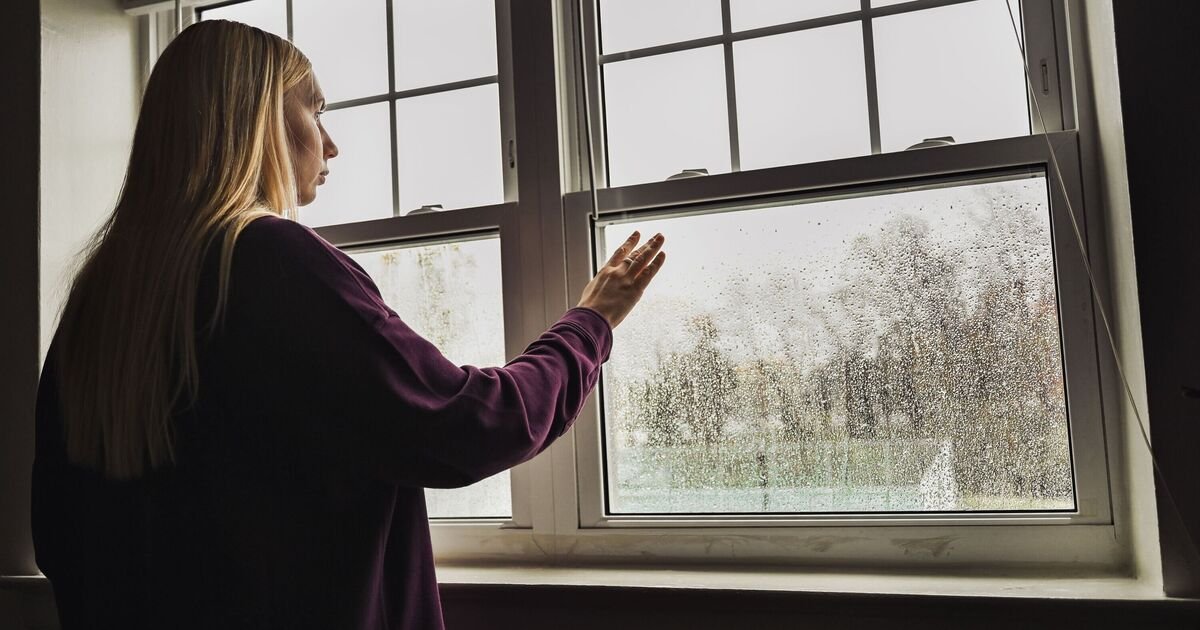
Condensation can be a nightmare, but it’s rife at this time of year thanks to the fact that your heating is likely cranked up, and it’s freezing outside.
According to Envirovent, “Condensation occurs when warm air collides with cold surfaces, or when there’s too much humidity in your home. When this moisture-packed warm air comes into contact with a chilly surface, it cools down quickly and releases the water, which turns into liquid droplets on the cold surface”.
This can lead to your windowsill becoming saturated with water, meaning you’re having to regularly clean it each morning, which can get seriously frustrating. You’ll also likely be looking up on social media ‘how to get rid of condensation’.
Plus, you ignore the condensation, it could lead to mould, damp and damage to window frames, which nobody wants to happen.
More than 1 in 5 homes suffer from condensation, and many households may be unsure how to stop condensation from building up, so Helen Godsiff, brand manager at home improvement specialists, Eurocell has shared tips on how to ensure your home is not impacted by condensation, including a £1 way you can prevent it altogether, which can also be used on cars.
Helen Godsiff, brand manager at home improvement specialists, Eurocell, said: “It may not seem a big problem, but left alone it can lead to more costly issues, such as damp and mould, which, partnered with the cold temperatures, can have a knock-on effect on your health.
“Following these easy tips can help minimise future condensation issues. While condensation on the outside of energy-efficient windows can simply be a sign they’re doing their job, moisture on the inside is what you need to watch out for”.
1. Avoid drying clothes indoors
Condensation forms when warm air meets the cold surface of glass, allowing water to collect and build up. Everyday household habits can make this worse, such as drying clothes indoors, as it releases moisture into the air and raises humidity levels.
When that extra moisture has nowhere to go, it settles on cooler surfaces like windows, walls and ceilings, causing condensation. Over time, this can lead to issues such as mould growth, damp patches and damage to paint or plaster.
Drying your washing in a room with the window slightly open or in a well-ventilated space with good extraction helps prevent these problems and keeps your home healthier and more comfortable.
2. Keep ventilation going
The main cause of condensation is most likely due to poor ventilation. Cooking or showering can build up steam in the rooms, causing further condensation problems.
Extractor fans might be drawing enough moisture out of kitchens and bathrooms, so opening windows regularly in these areas can help to reduce moisture from the air, meaning less condensation buildup on your windows.
Letting the trickle vents above your windows stay open or opening them for a short time each day allows fresh air to circulate, which helps stop moisture in the room from gathering on the glass, and ensures that your home feels well ventilated.
3. £1 shaving foam can prevent condensation
Another handy trick for tackling condensation involves something you probably already have in the bathroom cabinet: shaving foam.
When mirrors or glass surfaces fog up easily, a quick layer of shaving foam can help stop the moisture from clinging. All you need to do is spread a small amount over the surface and then wipe it away with a clean, dry cloth.
It leaves behind a thin, invisible film that stops water droplets from forming, keeping the glass much clearer. It won’t last forever, so you’ll need to reapply it occasionally, but it’s a cheap and easy fix that can make a noticeable difference, especially in steamy bathrooms or other damp spots around the home.
The RAC also recommend this for cars.
4. Seal your windows to prevent moisture from coming in
Making sure the areas around your window frames are well sealed can really cut down on condensation. When there are gaps or cracks, cold air and moisture can sneak in and cool the surface, which encourages condensation to form.
Take a close look around the frames for any small openings that might let air or dampness through, and use an appropriate sealant to close them up.
Even tiny gaps can cause problems, so it’s worth checking carefully. It’s also a good idea to keep an eye on the seals throughout the year, especially in the wetter winter months. If water seeps in and freezes, it can weaken or damage window frames, but regular maintenance helps stop that from happening.
5. Keep rooms warm and evenly heated
Keeping your home at a consistent temperature is a simple but effective way to tackle condensation. When rooms stay evenly warm, surfaces like windows and walls are less likely to cool down enough for moisture to settle on them.
Maintaining a steady indoor temperature, rather than letting spaces get cold and then reheating them, can make a big difference. Using curtains or blinds as an extra layer of insulation, especially during colder weather, can help reduce the chill on window surfaces, making it harder for condensation to form in the first place.