


Houseplants add a gorgeous touch of life to your space. From lush ivies to prickly cacti, there’s a plant for everyone.
However, certain varieties can hide a dark secret that few people know about. Some plants that populate homes across the UK are actually poisonous and cause rashes, hives and even blisters if you’re not careful. In particular, one houseplant beloved for its colourful leaves and festive cheer can be dangerous in the wrong hands.
The poinsettia, part of the Euphorbia family, is a stunning ornamental house plant. But its sap can be dangerous if it comes into contact with your skin.
According to the Royal Horticultural Society, poinsettia’s sap can be an irritant to the skin and eyes.
It can cause a burning sensation and sometimes blistering if exposure is enough. The most likely way to be exposed to the sap is through pruning, or even just moving the plant and accidentally breaking a stem off.
If a small amount of milky sap drips onto your wrist or hand and feels sticky, you will likely wipe it off with a towel.
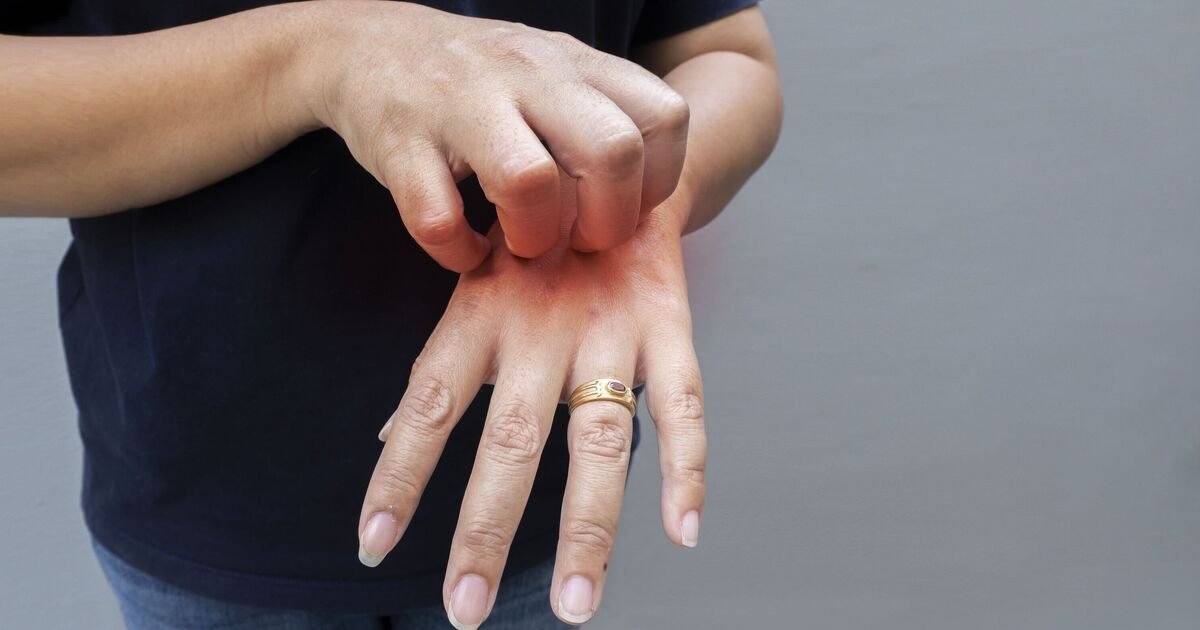
As time goes on, the area becomes red and sore, and the skin can start to sting, especially after handwashing.
This is because the sap can be spread around by touching – so if you do happen to get some on your hand, make sure you keep your hands away from your face.
If you touch the sap, the NHS recommends immediately rinsing the affected area until it’s clean and applying a light moisturiser to protect and calm your skin.
Dr Annette Phillips of Forever Facial Aesthetics recommends that anyone who has this plant in their home be cautious while handling it. I
f you’re planning on trimming or reporting, she recommends the use of gloves to keep your skin clear.
Always make sure to wash your hands thoroughly after touching to help keep yourself safe.