

A tourist was left gobsmacked after she was charged an eye-watering £1,300 for a 1.6km taxi ride in a holiday hotspot. Prices in Croatia have skyrocketed recently, especially after it adopted the euro in 2023, and tourists reportedly no longer see it as the affordable destination it once was.
However for one visitor, the trip was more shocking than the rest. A New Zealand tourist recounted her experience in the capital Zagreb, where she claimed she was charged €1,506 (£1,307) for a short taxi ride. The taxi metre originally showed a whopping €185 however, and after her protests, the driver offered a discounted rate of €150.
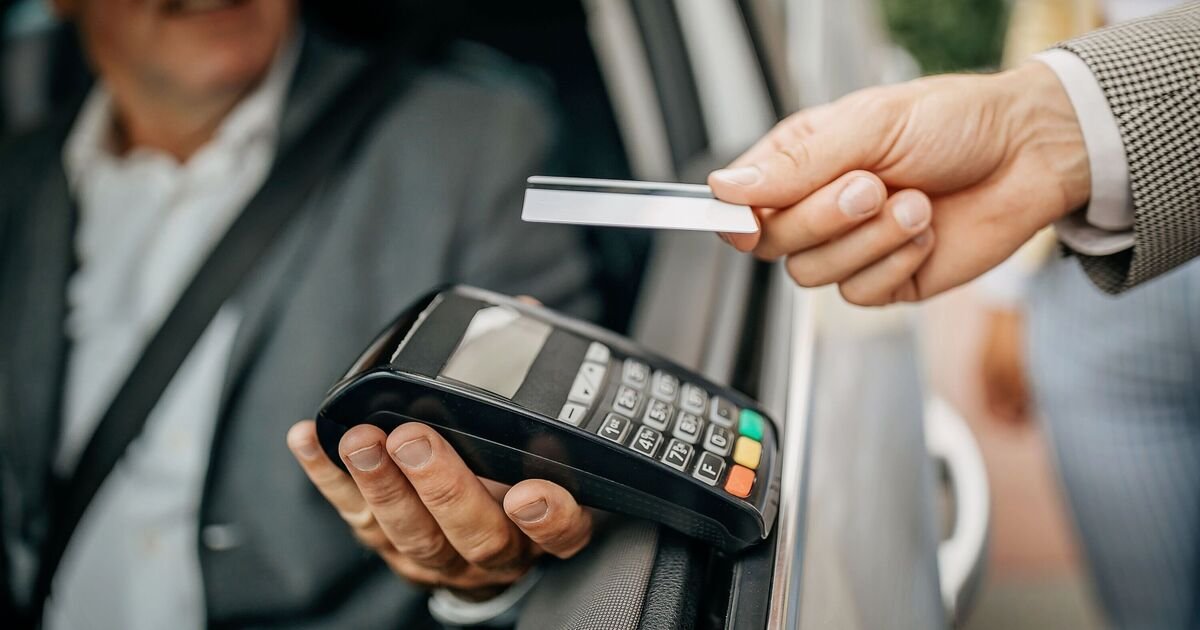
The New Zealander chose to pay by credit card, but a shocking confirmation message sent by her bank revealed she had been charged a staggering €1,506 (£1,307) for the trip.
Realising what had happened, she chose to fly back to New Zealand to avoid further financial losses she would have incurred if she had remained in Croatia to fix the problem and risked missing her flight home.
She filed a complaint with the local authorities once she was back home, who then contacted the Croatian authorities to shed light on the matter.
After an investigation, which was also necessary to verify any tax irregularities involving the Zagreb taxi driver’s business, she said the mystery was solved.
They found the €1,506 charge had been a mistake, likely caused by the driver incorrectly inputting the amount onto the POS keypad, which had gone unnoticed by both parties.
The out-of-pocket tourist was refunded €1,350 and given an apology from the taxi driver, so there were no legal repercussions.
Croatia’s Minister for Tourism and Sport, Tonči Glavina, condemned the incident, saying: “If this was intentional, as it appears from the reports, such people have no place in Croatian tourism or in providing services to either domestic or foreign guests.
“I expect professional associations to react and help eliminate such cases, because behaviour like this causes great damage and casts a shadow over the work of tens of thousands of people who make Croatia a welcoming destination.”
The minister added both the Croatian National Tourist Board (HTZ) and the Zagreb Tourist Board (TZGZ) are in contact with the impacted tourist, and will look at ways to make amends.
In Croatia, professionals who transport passengers with their own vehicles are not required to use a taximeter, reports V Motori.
The lack of regulations allows individual taxi drivers to set their own fares, which can result in high charges, such as the €185 the taximeter showed the tourist for a 1.6km trip.
The Croatian government has confirmed that it will introduce significant amendments to the Road Transport Act, aimed at reining in rising taxi fares and tightening industry regulation.
Tourism prices have reportedly surged by 50% in the last three years in Croatia. However, tourists may be beginning to look elsewhere.
During the peak summer season last year, foreign tourism revenue in Croatia fell by 0.7% compared to the previous year.
