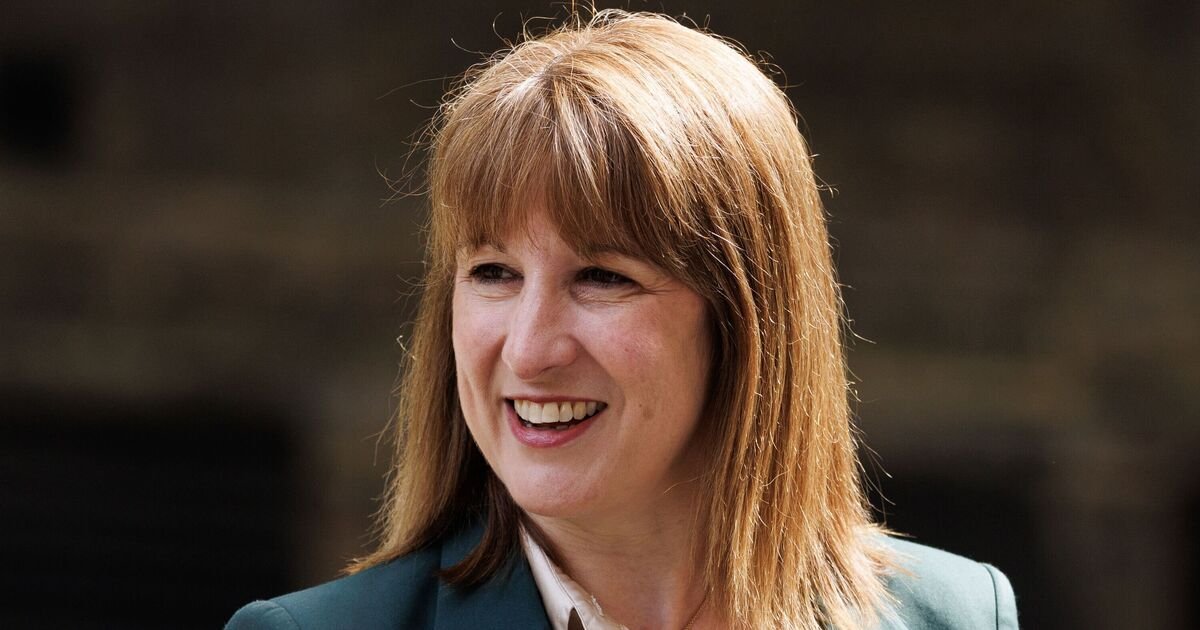

Chancellor Rachel Reeves has been urged to “level with people” and admit she will be forced to push up taxes – and could break promises made in Labour’s General Election manifesto. Ed Balls, a Labour former cabinet minister who served as education secretary and shadow chancellor, said Ms Reeves would have to put up VAT or National Insurance paid by employees, or both, in her autumn Budget statement.
And he said the longer the Chancellor left it before she decided to “be open”, the worse it would be. It follows the Government’s climbdown over cuts to disability benefits after a revolt by furious Labour MPs, which means the Chancellor needs to find an extra £5billion for the Treasury. But Mr Balls also said it would be a mistake for the Government to try to pin the blame on its own backbenchers.
Speaking on the Political Currency podcast, he said: “If you’re not going to do income tax, which I don’t think either party will do, I don’t see how you get out of this now without VAT or employees’ National Insurance.
“It’s much better to be open and level with people and ask everybody to make a contribution, because we need to have strong public finances and to invest in public services, and I would say, to bring child poverty down as well.”
Labour promised in its 2024 General Election manifesto not to put up VAT or National Insurance. But Mr Balls said: “You can’t do that while sticking with manifesto commitments, which box you in too hard … [Reeves and Starmer have] got to open up about what’s happened and what they’re now going to do, and blaming their backbenchers, or trying to say that they’re sticking to the letter of a manifesto commitment they’re actually breaking, is the wrong strategy.”
On Thursday, Conservative leader Kemi Badenoch called for health benefits to be restricted to people with the most serious conditions as she set out her plans for welfare.
She warned of a “ticking time bomb” of welfare dependency, as Government forecasts suggest annual spending on health and disability benefits could reach £70billion by 2030.
Other projections suggest the figure could reach £100billion, while the Office for Budget Responsibility has warned that failing to cut the rate at which people take up benefits could cost an extra £12billion.
Calling for tougher action on benefits, Mrs Badenoch said: “We should be backing the makers – rewarding the people getting up every morning, working hard to build our country.
“Our welfare system should look after the most vulnerable in society – not those cheating the system.”
Mrs Badenoch’s speech coincides with the publication of a report by the Centre for Social Justice (CSJ) think tank suggesting some benefit claimants could receive more in welfare than they would be paid working full-time.
The CSJ said an economically inactive person currently claiming Universal Credit, the average housing benefit and personal independence payment would receive around £25,000 next year – more than the £22,500 post-tax income of someone working full-time on the minimum wage.
For new claimants, cuts to Universal Credit proposed by the Government would reduce that figure to £22,550.
