
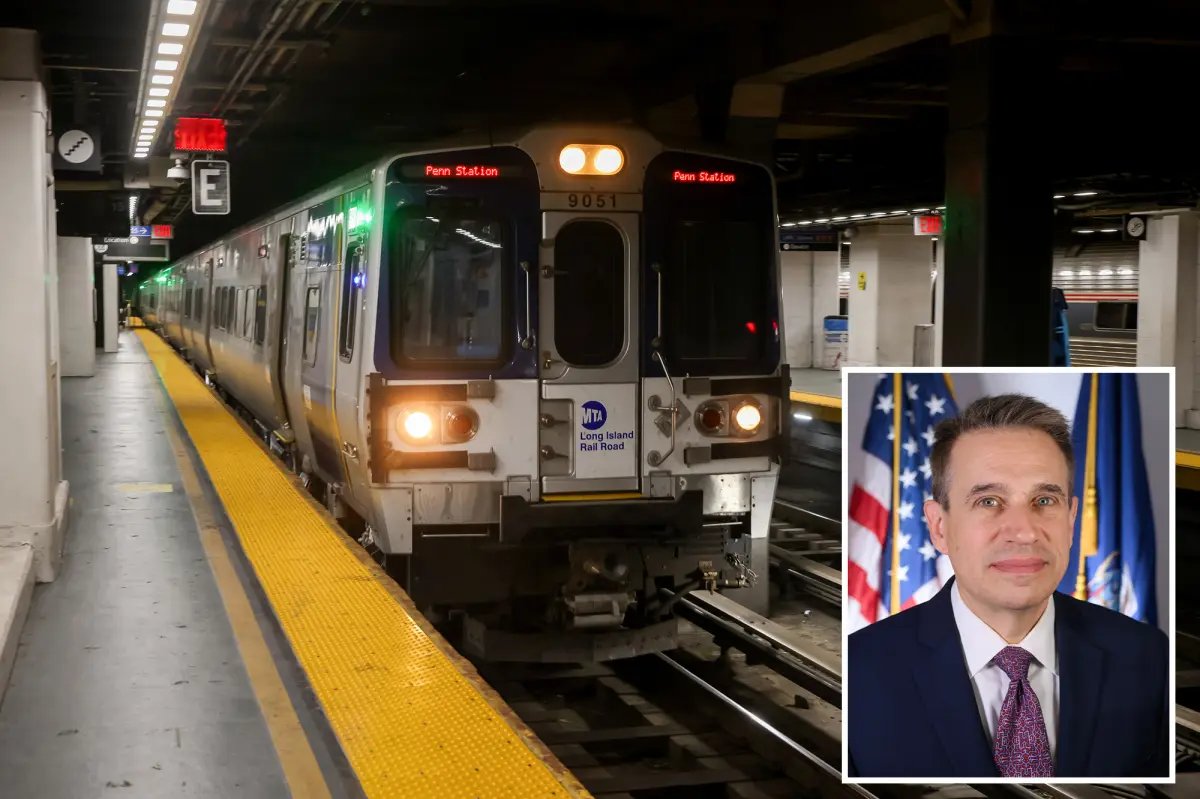


A Long Island auto shop charged taxpayers nearly $2 million for parts it may have never installed on LIRR vehicles — and no one even noticed, according to the MTA Inspector General.
The suspected scam only came to light when an anonymous tipster blew the whistle, authorities said.
The shop, which was not named in the IG’s report released Thursday, raked in a total of nearly $7 million in taxpayer funds from 2022 to 2024, including more than $1.6 million for fleet-vehicle parts it could not prove were ever installed, the report said.
“This repair shop couldn’t account for more than a million dollars in parts it claimed to have installed in LIRR vehicles — and the systems designed to catch those discrepancies failed,” said Metro Transit Authority Inspector General Daniel Cort.
“This lack of oversight by LIRR exposes the MTA to wasteful payments by unscrupulous vendors,” Cort added.
The brazen billings included a submitted order for 21 crankcase vent filters for a vehicle that only needed one, overcharging the LIRR by more than $4,500, the report said. The same shop submitted an invoice for receipt of the parts that was dated three weeks after the repair was supposedly completed, the IG’s office said.
The probe also found an engine wiring job where the “fixed” parts were later discovered to be in original condition, with no sign of any work having been done, while charging the LIRR more than $1,000 for the work.
In addition, the shop billed taxpayers for four new tire pressure sensors on a 2017 Chevy van, but two appeared untouched, and the invoice from the job proved the supposed purchase for the replacement items was dated three weeks after the repair, the IG said.
The business also charged the LIRR almost $340 for a new air-filter housing that inspectors later found was still in original condition and had likely never been touched, with the shop only able to produce a $75 salvage yard receipt for a used part it had billed as new, authorities said.
The LIRR employs no certified mechanic capable of verifying whether any billed work was ever actually performed in these cases, instead entirely dependent on a contracted fleet management firm that never physically inspected a single vehicle, investigators found.
The fleet management firm did try to get the auto shop’s prices dropped in some instances, as they were charging over the “standard” pricing — but an unnamed LIRR manager overruled the firm and approved the inflated charge anyway, the report said. That manager retired in March 2024.
“No one in the Fleet Office has training as a certified automotive mechanic, leaving LIRR vulnerable to dishonest or incompetent repair shops,” the IG’s report concluded.
The state Department of Motor Vehicles, which was involved in the probe, took the auto-shop case to an administrative judge.
The judge ended up throwing out every charge against the shop, ruling the state didn’t meet the required burden of proof, even while acknowledging there was “no evidence” of such things as the air-filter housing ever being replaced.
The DMV appealed the ruling and lost.
The LIRR cut ties with the unnamed repair shop in early 2025 after learning of the IG’s findings, and the shop has since filed for bankruptcy, according to officials.
The IG’s Thursday report is just the latest bruise for the scandal-scarred LIRR, which was described as a “culture of fraud” by the same watchdog last year after a yearslong fake-ID scam where at least 36 workers swiped each other in and out of shifts was exposed.
