
Keeping your lawn in good shape during the colder months can be quite a challenge. However, the attention that gardeners give over the coming weeks will have a considerable impact on its health and appearance when spring arrives.
There are several key steps to keeping lawns in top condition throughout winter, ensuring they they bounce back lush and vibrant once the warmer weather returns. Chris Bonnett, the founder of GardeningExpress.co.uk said: “It’s a common misconception that lawns don’t need any care once the cold weather hits, but that’s not the case at all. The way a lawn is treated during the autumn and winter months has a big impact on how healthy and green it will look when spring arrives, reports Devon Live.
He continued: “Simple things like clearing away debris, aerating before the ground hardens, and applying a suitable fertiliser will help the grass recover faster. The key thing to remember is that lawns might look dormant, but the roots are still active below the surface. By taking care of those roots, you’re setting your garden up for success next year.”
Failing to make seasonal adjustments can leave lawns vulnerable to frost damage and waterlogging, potentially causing significant deterioration by the time spring comes around.
Clear debris from the lawn
It’s important to get rid of any debris from the lawn, including fallen leaves and twigs. Any debris left behind can suffocate the grass, preventing sunlight and trapping excess moisture that promotes the development of moss and fungi.
Apply winter fertiliser
Changing to a winter or autumn fertiliser can help enhance disease resistance and frost tolerance. These typically contain high levels of potassium, which supports root strengthening.
Overseed bare patches
Autumn presents a perfect opportunity to restore any sparse or patchy sections of grass before winter arrives. Overseeding enables new seedlings to develop roots in the temperate, damp autumn weather conditions.
Don’t cut the grass too short
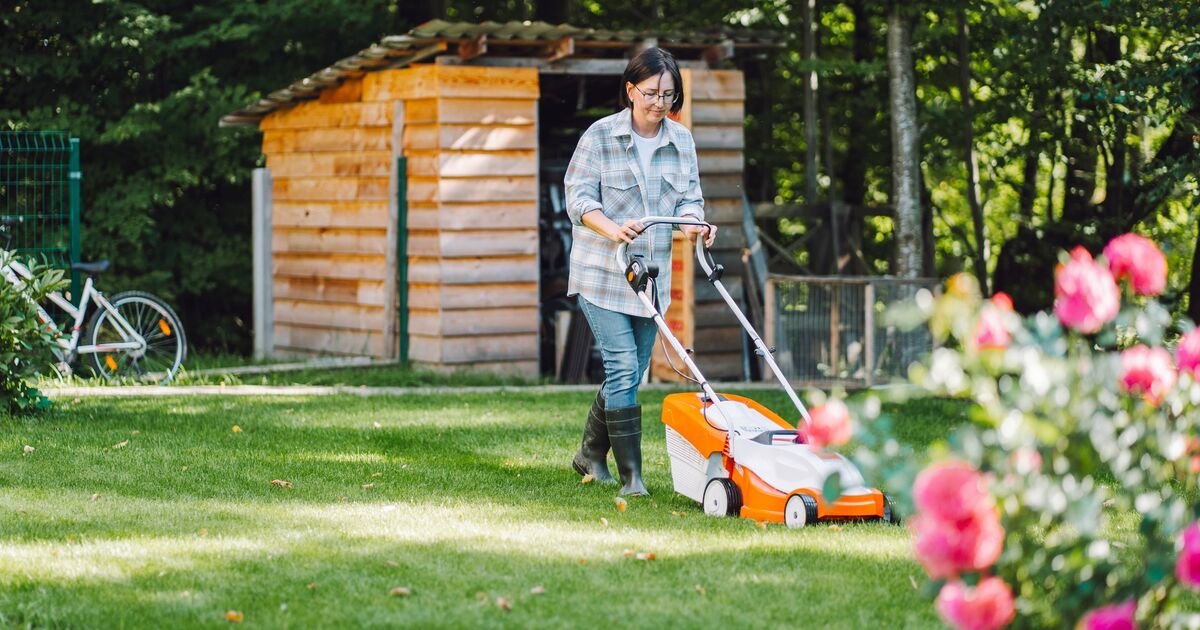
Trimming your lawn excessively short during cold periods will leave the roots exposed and render the grass more susceptible to frost and disease. As grass growth diminishes, it’s advisable to increase the cutting height and mow less regularly to minimise stress on the grass.
Don’t walk on waterlogged or frosty grass
Treading on the lawn when it’s saturated or frosty can damage grass blades and compress the soil. This will result in long-term harm and uneven growth.
Avoid excessive watering
During autumn and winter months, natural rainfall is typically adequate to keep soil sufficiently moist. Watering your lawn too much can cause waterlogged conditions, starving the roots of essential oxygen and potentially causing rot and disease.
See more of the stories you love from Daily Express and find us easily in Google by making us a Preferred Source. Free and easy-to-do, just click here to activate or add us as Preferred Source in your Google search settings.
