

What Sir Keir once condemned as “jumping on the bandwagon of the far right” has finally come to pass: an enquiry into the role of local government in the grooming, exploitation, and rape of thousands of young British girls by men of disproportionately Pakistani origin.
That enquiry is expected to reveal the true extent of the cover-up culture across the north of England, and how councils and police forces turned a blind eye to child abuse for fear of being called racist. Baroness Casey’s report found officials had been in “denial”.
Starmer never wanted the enquiry for the very same reason it is so necessary: he is afraid to investigate and invite criticism of a minority. He thinks the enquiry “far right” and racist because it threatens to seriously challenge elite assumptions about multiculturalism and integration. It threatens to expose labour-run councils prioritising the illusion of ethnic harmony over the lives of young girls. It threatens to detail the failures of the legal system; the very institutions Starmer himself was in charge of.
A look into the finer details of this enquiry lays bare Starmer’s fear of what it might find. It will look into the role of local government and authorities, but not the role of central government in Whitehall nor of the Crown Prosecution Service, which Starmer led. The mothers of survivors like Marlon West say they don’t trust Labour “one bit”. Still, the enquiry will ask difficult questions that Starmer would prefer weren’t asked – which begs the question: how was his hand forced?
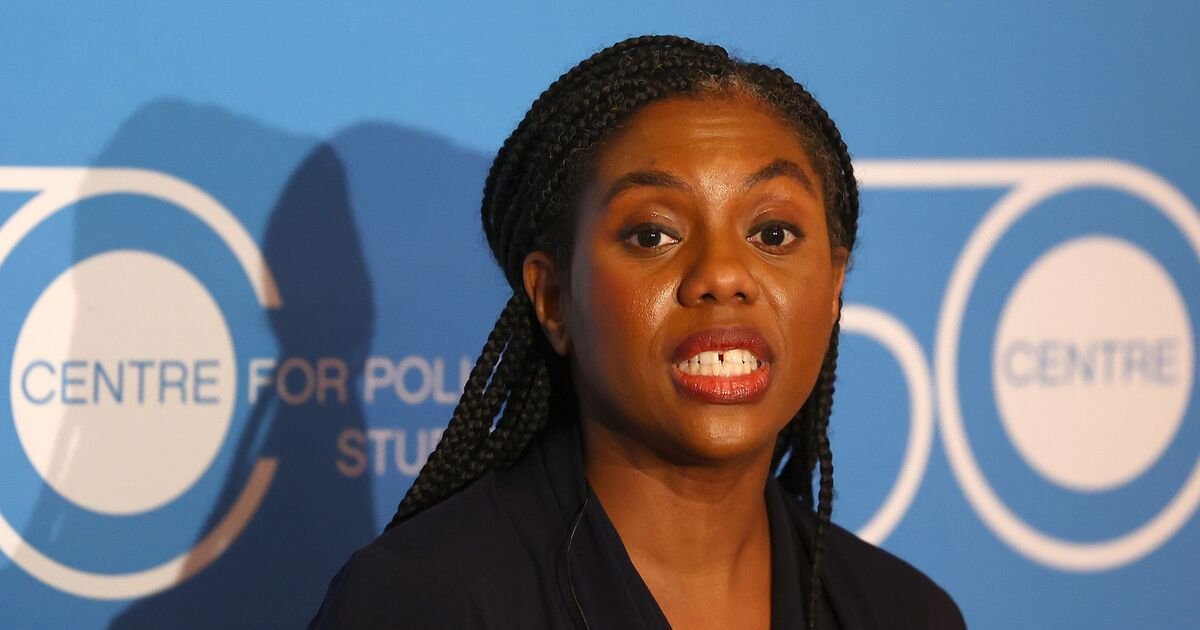
The answer is Kemi Badenoch. The right wing of British politics had been campaigning for a decade with no success – their concerns were simply ignored as racist conspiracy. While Starmer could dismiss the campaigning of Reform UK as far-right, he could not tar Kemi with the same brush. Her approach was much more subtle. A quiet campaign to bring the issue of Pakistani grooming gangs from its former status as right-wing conspiracy into a central issue of British politics and justice.
As recently as a year ago, frontline Labour politicians as well as a Channel 4 documentary sought to deny the ethnic component of the grooming scandal, and in some cases even sought to undermine the credibility of the victim’s testimonies and therefore silence them. Back then, to reference these rape gangs was something only the bravest of politicians did, since each one was called racist. Kemi was one of those politicians.
Bit by bit, with each speech, each article, and each of her MPs emboldened by their leader’s stance to speak out, this issue was brought into the mainstream. Finally in the cold light of day, the undeniable facts of the grooming scandal spoke for themselves. The victims now have a chance at justice; the country now has a chance to address institutional failure and the conspiracy of silence.
Kemi, and the British public, now crucially have the chance to demand that the enquiry is expanded to investigate the role of central government and the legal institutions in London. That is the next taboo that Kemi will soon break down, and soon those complicit, and their bankrupt ideas, will have nowhere at all to hide.
