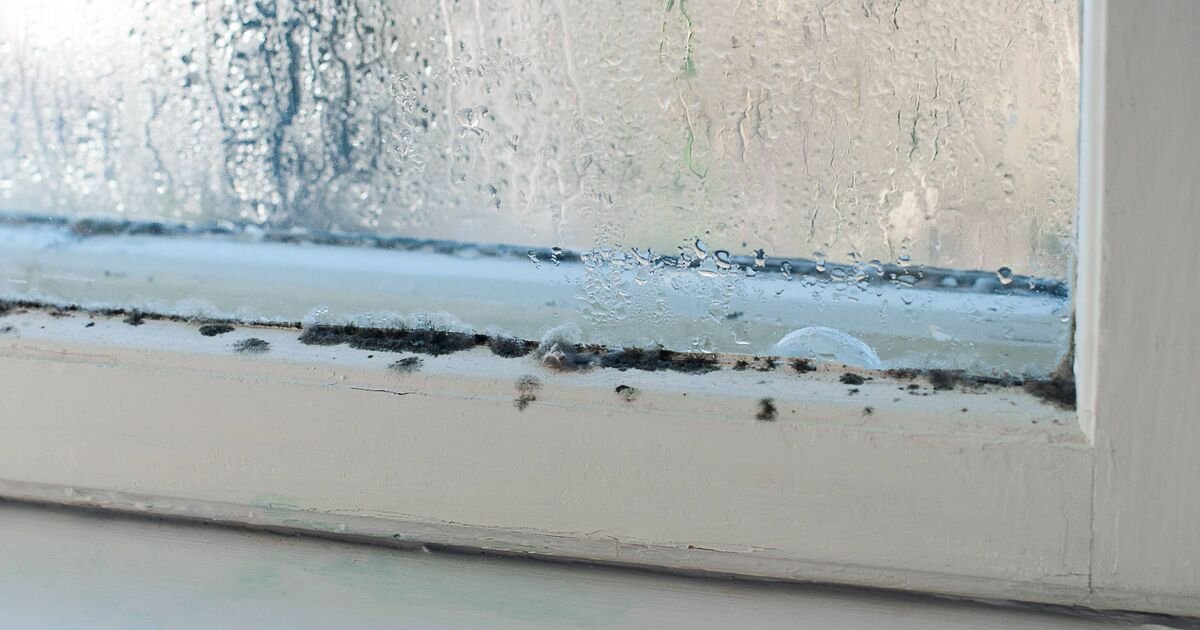

The recent drop in temperatures over the past week has led to condensation forming on windows each morning, particularly in bedrooms. Bedrooms are prime spots for dampness during winter, as we release moisture into the air with every breath we take.
Condensation is something most households will have come across as the seasons transition into autumn and winter. At best, it’s merely a tiresome nuisance that requires regular wiping down. In more severe cases, however, it can damage paintwork, saturate carpets, and create the ideal breeding ground for mould and mildew to take hold.
While dehumidifiers can be enormously helpful in combating condensation, they are also rather costly household appliances that not everybody is willing to splash out on. Fortunately, there is a homespun remedy that could help tackle the problem – and it should take no more than five to 10 minutes of your time.
What is condensation?
The air around us contains moisture, and its levels can fluctuate depending on outdoor weather conditions and on activities carried out indoors, such as cooking or showering. Warm air possesses a higher capacity to retain moisture than cold air.
As the air temperature drops, it ultimately reaches a threshold where it can no longer take in any extra moisture and becomes fully saturated at 100%. This particular temperature is known as the “dew point”.
When air cools to its dew point, water droplets start to form on surfaces that are even cooler. You’ve likely observed this as morning dew blanketing grass or condensation appearing on your vehicle windows after a cold night.
How to stop condensation
Condensation developing on the interior of the glass stems from ventilation issues, according to Which? Trusted Trader, Finesse Windows. They explained, “It means there’s too much moisture in the room and not enough ventilation.
“Moisture needs somewhere to escape. The more you let fresh air circulate, the less water ends up on your windows.”
To quickly eliminate window condensation, the specialists recommended expelling the humid air from the room by opening the windows fully for 5 to 10 minutes each morning.
While you may be concerned about heat loss, permitting dry air in for a brief period can genuinely make rooms feel more refreshing and minimise long-term dampness issues.
You can also extract the humid air by keeping internal doors open where feasible. This will additionally enable drier air to flow throughout your property.
In addition to opening windows and interior doors, trickle vents should remain open. The specialists explained, “Modern A-rated windows come with trickle vents for a reason.
“They allow a small, controlled flow of fresh air, helping moisture escape without making the room cold. Keep them open all year round, especially in bedrooms overnight.”
See more of the stories you love from Daily Express and find us easily in Google by making us a Preferred Source. Free and easy-to-do, just click here to activate or add us as Preferred Source in your Google search settings.
