
Pasta is a staple ingredient that pairs well with just about any sauce, vegetable, or protein you can name. There are so many possibilities: a creamy carbonara, spaghetti and meatballs, macaroni and cheese, or a cool pasta salad. However, for how simple it is, made of nothing more than eggs, flour, and sometimes water, there is an art to cooking pasta.
You can certainly boil water and add the pasta without a second thought. However, a few simple tweaks will take your pasta recipes to the restaurant’s quality level. Catherine, behind the food blog Sicilian Girl, has shared how to cook pasta correctly using the “Italian way”.
First up, the chef claimed that you “need a lot of water” to cook pasta, which means a large pot, one that holds five to six litres of water for one pound of pasta.
She warned that if you do not use enough water, the pasta will become “gummy” because its natural starches aren’t getting diluted properly.
With your water at the ready, Catherine urged that the “addition of salt is imperative”. She claimed that the water “should be as salty as the sea”.
The chef recommends using a minimum of two tablespoons of kosher salt or “sale grosso” (big grains of salt) per pound of pasta. She added, “Don’t worry, you will not taste the salt; rather, you’ll taste the pasta.”
When you add salt to the water, it penetrates the pasta as it cooks, seasoning it from the inside out. This helps ensure that every bite of pasta is flavorful, even before you add any sauce or toppings.
Add the salt after the water has come to a boil; unsalted water has a lower boiling point, so it will boil a little faster.
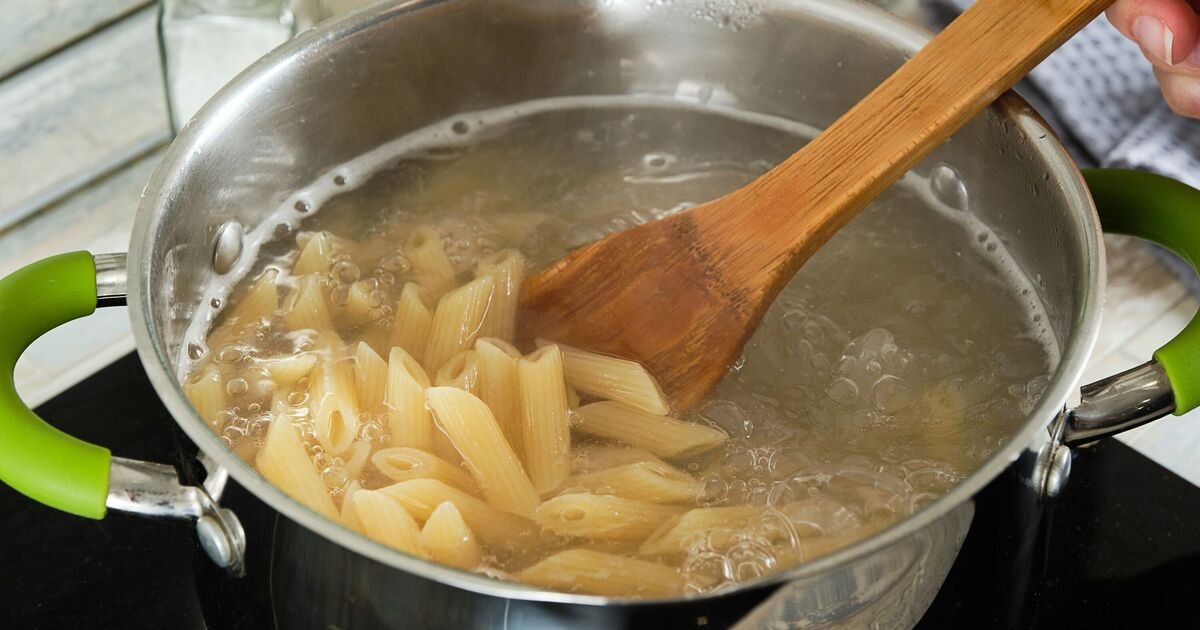
Then, when you have a large pot of rapidly boiling salted water, add the pasta, making sure to get the water boiling again as quickly as possible to ensure it cooks properly, then stir for a minute or two.
Stir the pasta immediately after submerging it in the boiling water. This will keep the strands from sticking to the bottom of the pot and each other.
Pasta should be cooked to al dente, where it is tender but still firm. Cooking to the al dente stage means that there is just the right amount of starch on the surface of the pasta to absorb the sauce.
The pasta will continue to cook while it’s being drained, so allow for that extra minute when you’re testing for doneness. At this point, turn off the heat, drain, avoid rinsing, then add the sauce immediately.
