
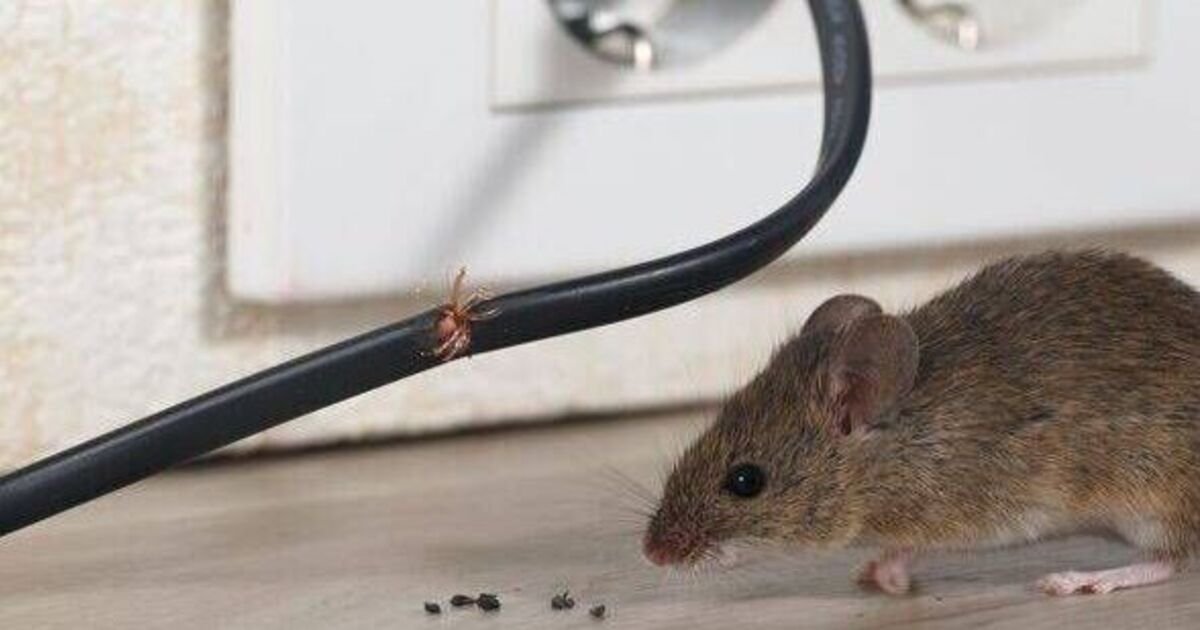

As the weather begins to shift, Brits could be at risk of allowing unwelcome guests into their homes. Rodents frequently attempt to enter homes during this period of the year whilst seeking warmth, food and shelter from the harsh conditions.
Small enough to slip through the most unexpected gaps and openings, these furry creatures can create a lot of trouble. John Stewart, a technical specialist from sustainable pest prevention company Pelsis UK, warns that rodents become a particularly big concern during chillier weather. He explained: “Mice are among the most problematic pests, particularly during the winter when they move indoors in search of a safe environment.”
He continued: “Once they’ve found a suitable space with access to food and water, they can quickly establish themselves, making it essential to address any potential issues as soon as possible.”
Rodents present some potential health dangers as they can carry illnesses that are transferable to humans and pets.
In addition, they can inflict considerable harm by chewing through cables, insulation, and even timber supports, which can result in hazardous electrical blazes or expensive restoration work.
The specialist explained that it is crucial to introduce preventative strategies before rodents venture in from outdoors, creating destruction in their wake. Spotting the early warning signs of a mouse invasion can help stop it from getting worse.
“Look for droppings, gnaw marks and shredded materials that may indicate nesting activity,” said John. “Common hiding spots for mice include attics, under kitchen units, and behind appliances.”
Mice are particularly skilful at squeezing through tiny openings, making it essential to check areas like kitchen kick plates and electrical cupboards, where rodents frequently nest and chew through cables.
How to keep mice away
If you believe mice have already invaded your home, swift action is vital to prevent additional harm from being caused.
“Homeowners have several options for dealing with rodents, whether they prefer humane live-catch traps or traditional traps for quicker results,” John explained.
Compassionate approaches, including indoor deterrents, can repel rodents without causing harm. John explained: “These devices emit high-frequency sounds that are unpleasant to rodents but inaudible to humans.”
To guarantee they remain away, the specialist also recommends that householders eliminate food sources, saying: “Mice and rodents will always take advantage of easily accessible food supplies. To prevent an infestation, it’s essential to secure all food products.”
“Store food in sealed containers and keep them in high cupboards, out of reach of mice. It’s also important to ensure that rubbish bags are placed in secure bins.”
