

Los Angeles County has voted to jack up the prices they pay for everyday items by approving a sales-tax increase — in a move critics say will backfire by sending residents across county lines for shopping trips.
Measure ER, which passed by more than 25,000 votes, is set to increase sales taxes by half a cent to raise $1 billion annually for hospitals, local health departments and low-income residents needing insurance.
The Los Angeles County Registrar’s Office certified the June 2 primary results on Friday, with the LA County Board of Supervisors scheduled to declare the election officially over during its meeting on Tuesday.
The tax hike — which raises the current 9.75% rate to 10.25% — increases prices on items ranging from furniture and electronics at a time when LA residents are already drowning in rising costs — as inflation on gas and groceries have drained people’s wallets.
California already has the highest sales tax in the nation, and with county and local taxes included, consumers will pay close to 12% sales tax in some areas of Los Angeles that have adopted higher municipal taxes.
“People are going to travel across county lines to purchase items, when you’re sitting at 12% sales tax up in Lancaster, 11.75% up in Lancaster and Palmdale … you’re going to jump across the border to Orange County and buy and save 3%,” said Aidan Chao of the Los Angeles County Taxpayers Association.
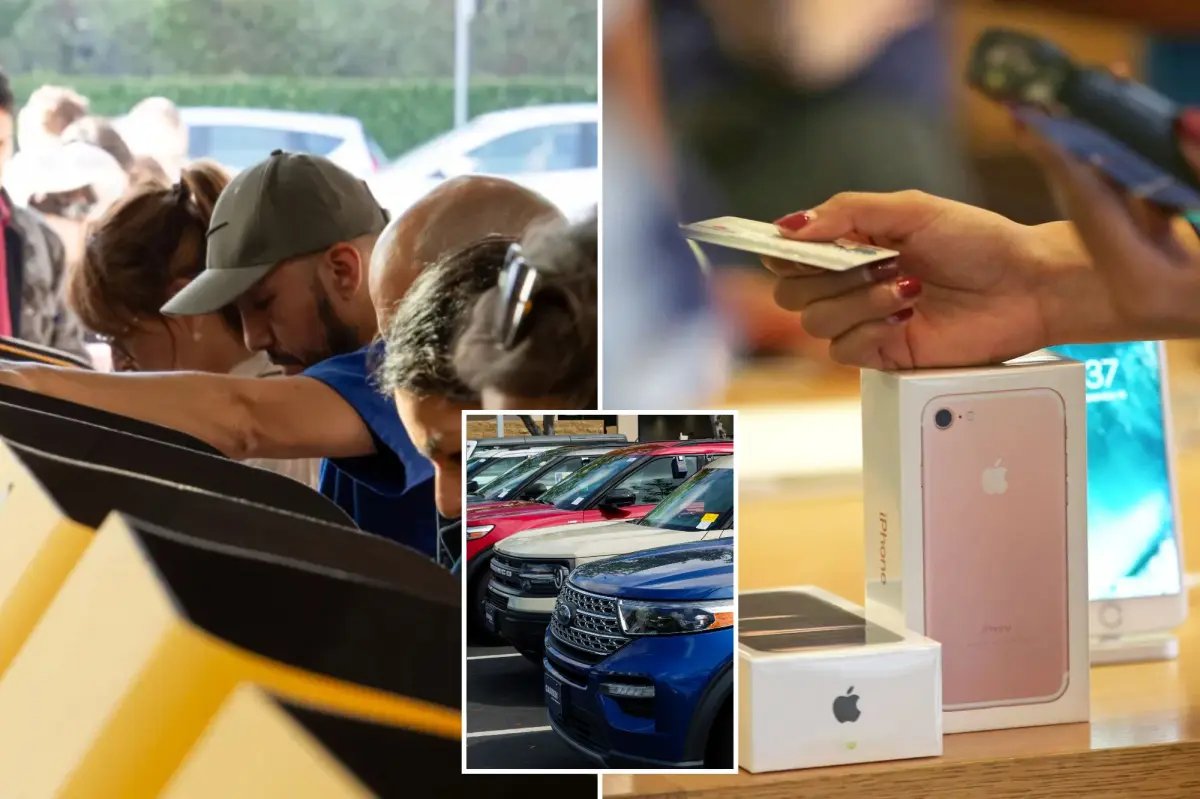
Angelenos buying a $40,000 car, for example, would pay $200 in additional tax under Measure ER. A $3,000 living room set would come with a $20 additional tee and a $1,000 iPhone would cost more than $5 extra.
It adds up — especially for working people crushed by sky-high home and gas prices, Chao added.
“While you may say ‘a few dollars here and there is not much,’ sometimes a few dollars is a lot to those who are living paycheck to paycheck and need those few dollars to pay their rent,” Chao added. “It seems like a lot when people can’t even pay for their gas.”
Measure ER, backed by nonprofit St. John’s Community Health and Service Employees International Union, was advertised as “half a penny to save lives” to make up for President Donald Trump’s federal funding cuts and endorsed by labor and progressive groups.
The tax does goes into effect on October 1, 2026 and is set to expire in 2031.
Advocates say funds will pay for health care services, but in practice, revenues will simply go into LA county’s general fund for local electeds to allocate as they see fit.
“We spend so much money in taxes, we contribute so much and look around here,” said Kris Cuyvers, who voted against the tax.
He said he would “absolutely” leave the county to buy certain items if it meant significant savings.
“We believed, we were taught to keep increasing taxes, it’s going to help — we see it’s not helping,” added Warren Johnson, who also voted against the tax.
Tax advocates said they felt it was important to pay their fair share to help the community. But even supporters of the tax agreed that money needs to be spent wisely.
“I think we need to figure out a way to make sure it’s being spent responsibly and then people would be more willing to give more,” said Chris Maese, who voted for Measure ER.
Adam Michel, director of tax policy studies at the Cato Institute, called tax hikes a “disease” afflicting liberal cities.
Voters may approve tax hikes with good intentions but they simply paper over bad governance, according to Michel.
“It’s sort of easily sold as just a little bit more of other people’s money will solve all of our problems,” he said.
Some locals could face sticker shock when the tax goes into effect and make them hesitant to buy those big-ticket items.
“Anytime the tax rate goes up, it does impact taxpayers’ behavior… and when people see a two digit number like that, that definitely starts making them think twice about purchases,” added David Kline, president of California Taxpayers Association.
“The county said it’s going to generate $1 billion a year in new revenue, which means that is a $1 billion a year new cost for taxpayers,” he said.
