


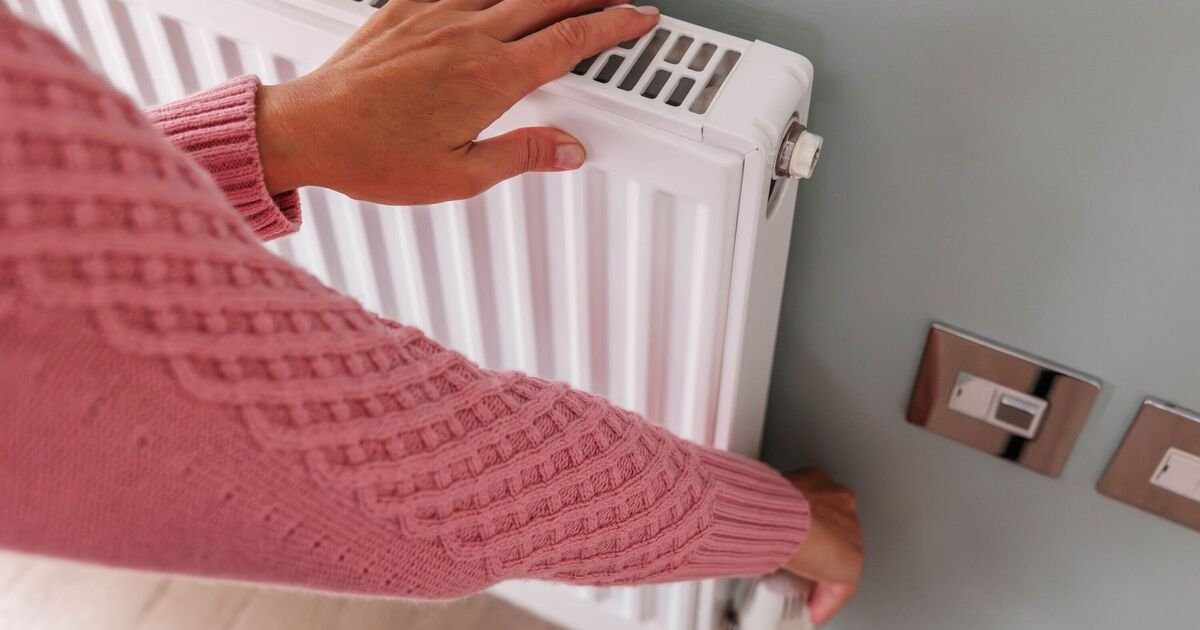
October is almost here and with the arrival of colder, wetter weather, it’s a given that almost all households will switch their heating on before the month is out if they haven’t already.
And with the beginning of October just days away, households are being urged to carry out a 15-minute task before turning their heating on.
According to boiler firm Worcester Bosch, it’s recommended that you carry out certain checks before turning the heating back on, in order to avoid the risk of something breaking or not working as it should, at the time you need it most.
It urges households to run the boiler and heating system at max temperature for 15 minutes. This stress test will be able to quickly identify if there’s anything, from the boiler to the radiators, that is not working as it should.
The firm says, in its advice page for households: “It is normal to have your central heating off over the warmer months, and have your boiler switched to just the hot water mode to help reduce your energy bills.
“However, it is important to turn your heating back on early and check that everything is working efficiently.
“A good way to test your boiler and heating system is to run your boiler and radiators at the highest temperature for around 15 minutes. Running this check, can help you identify any problems before you need your boiler the most.”
It’s also a good idea to check your boiler’s pressure gauge. For most boilers, this should be between 1 and 1.5, but if the boiler has lost pressure over the summer months, you can quickly fix this yourself.
Worcester adds: “Your boiler pressure is usually indicated by a dial or on a screen, if you have a newer boiler. The optimum boiler pressure is between 1 and 1.5 when the system is cool.
“If your boiler has lost pressure, this is something you can quickly resolve yourself. Please refer to your boiler user manual or our videos explaining how you can re-pressurise your heating system.”
Finally, the firm says households should bleed radiators, a simple job which helps keep radiators working efficiently and at their hottest by removing pockets of trapped air from the system.
It adds: “It’s normal for air to build up in your heating system over time, causing gurgling sounds, or the tops of your radiators feeling colder than you would expect. If this happens, you’ll need to bleed your radiators to ensure your heating is working efficiently. After bleeding your radiators, remember to check your boiler pressure so your home stays warm throughout winter.”