
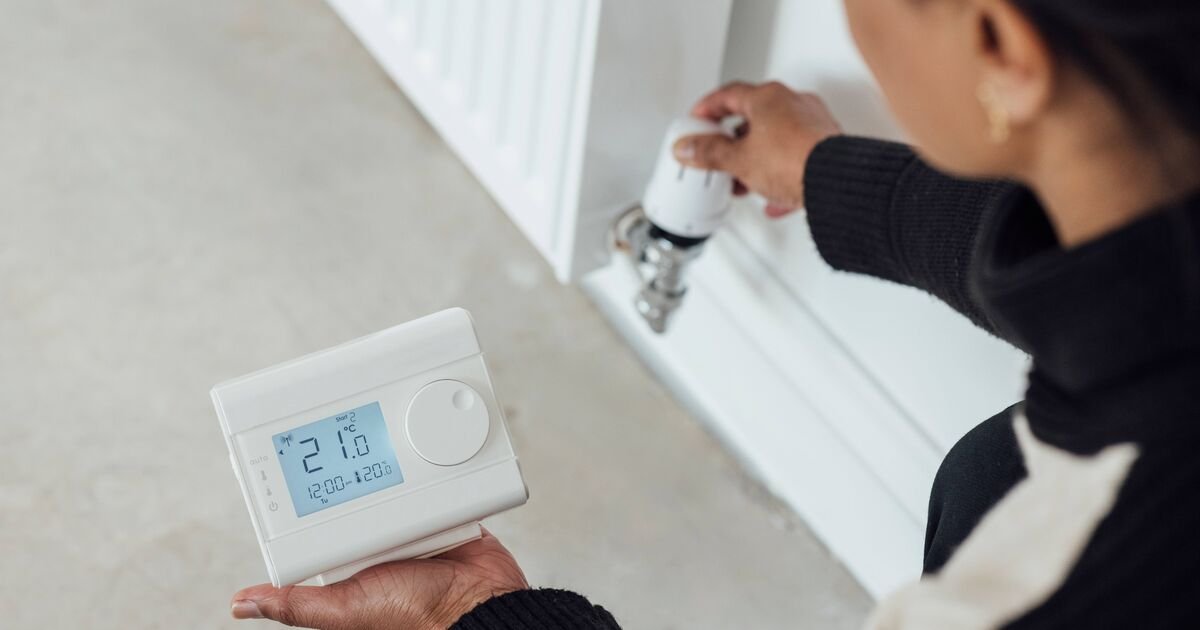

Everyone attempts to delay switching on the heating for the first time following summer, particularly in light of soaring energy costs. Starting October 1, 2025, Ofgem has confirmed that energy costs for a typical household using electricity and gas and paying via Direct Debit will see a 2% increase, reaching £1,755 annually. Despite this rise, costs remain significantly lower than the peak of the energy crisis at the beginning of 2023, when prices were £2,380.
Under the direct debit cap, the average cost of gas will climb to 6.29 pence p/kWh, while the average price of electricity will jump to 26.35 pence p/kWh. With little hope for lower fixed tariffs or pre-crisis rates, households must become savvy about energy efficiency and use heating cautiously to save money. However, a property specialist warns against this approach.
Clive Holland, broadcaster on Fix Radio and former presenter of the BBC’s Cowboy Trap, said: “Many will leave it as late as possible to put their heating on due to an increase in utility bills from October. This really concerns me when it comes to looking after your health.”
He added, “In particular, the elderly. The only real benefit to delaying your heating switch-on is saving money on your energy bills.”
Regarding the precise date heating should be activated, Clive referenced NHS guidance suggesting it should occur when outdoor temperatures fall beneath 15C.
He continued: “The NHS advises to put the heating on for health reasons. However, depending on your age and general health, some people feel the cold more than others. Many people will base their decision more than ever on finances.”
However, Clive cautioned anyone considering this approach that “the negative impact far outweighs the positive”.
He explained: “The most common problem to expect if a home is not adequately heated during the colder months is damp, which increases the risk of dangerous mould spores.
“The risk of frozen pipes and in some cases health problems, are the issues that could occur if you neglect to heat your home.”
The UK’s recent warm and settled weather, which contributed to the record-breaking summer, has now given way to more unpredictable and unsettled conditions, according to the latest Met Office forecast.
While temperatures now drop to a cooler low of around 12C in the evenings, David Doran, plumbing specialist at Blackstone Plumbing & Heating Ltd, emphasised that the indoor thermostat remains most crucial when utilising heating.
He said, “It’s advisable to consider turning on your heating when indoor temperatures consistently drop below 18C. For elderly or vulnerable people, maintaining a temperature around 20C is recommended.”
The plumbing expert elaborated: “In many places, early to mid-October is when temperatures typically start dropping, making it a common time to turn on heating.”
With around two months to go until the clocks change back, on October 26, a popular period for Britons to switch on their heating systems, Clive suggested implementing several measures to boost home energy efficiency.
He advised: “Always make sure you have draught strips on doors and windows to reduce heat loss. Ensure your letterbox is covered too, and have draught excluders at the base of your external doors.
“If you have modern UPVC French doors, some have winter and summer settings on the edge of the 5-lever latch system. Check with the installer or manufacturer for details.”
Clive continued: “Good quality thermal lined curtains can help too. If you still have an open fireplace and you’re not using it, remember 40% of your heat in the room will disappear up the chimney. Lastly, layering clothing, preferably wool-based garments can help with gloves and hats.”
