

Scorching hot weather has returned to the UK this week and is set to continue for the rest of the week, according to the latest forecasts. The Met Office says baking hot temperatures will climb as high as 31C in parts of England by Wednesday, and will only drop as low as 27C for the rest of the week.
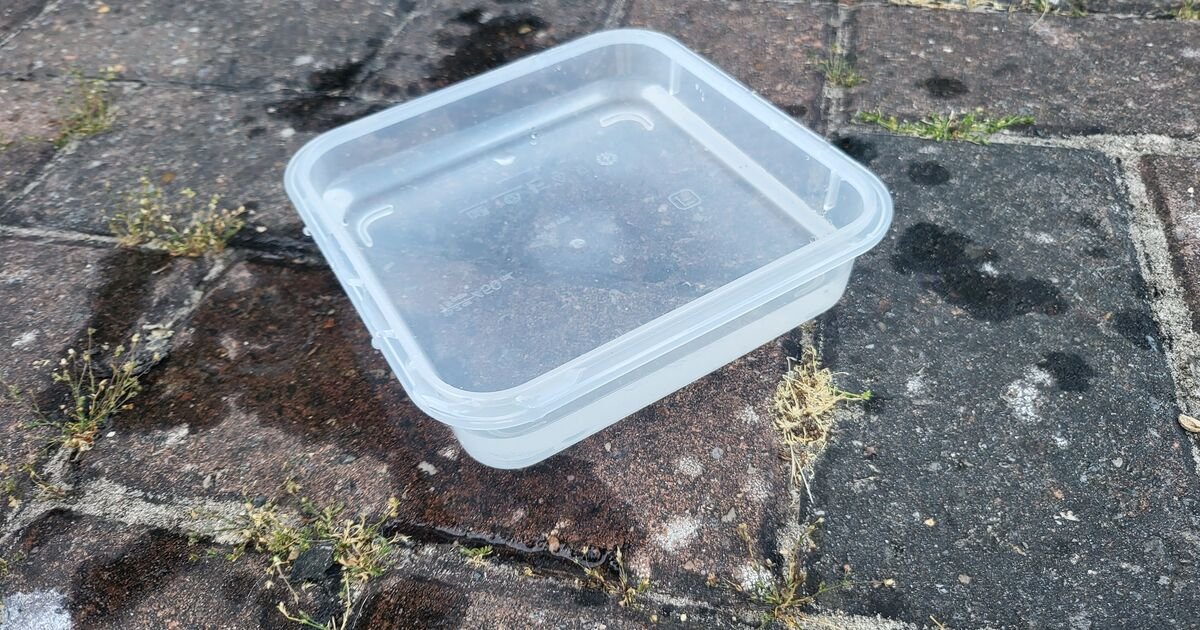
With such high temperatures, wildlife begins to struggle. While the UKHSA understandably focuses on the threat to human health, garden experts are also asking people to consider the impact hot weather has on wildlife. In an urgent appeal to the public, Brits are being asked to set out a bowl of water in their gardens or outside their homes whenever the weather is warmer.
During spells of prolonged sun, some have reported seeing dead birds in the street, and endangered hedgehogs can also potentially struggle with the lack of water.
That’s why every household is being urged to leave a source of drinking water outside their house, either in the garden or on your driveway when the warm weather hits the UK, as well as top up bird baths. This should be left out all day and all night, and be regularly topped up and cleaned. That’s because the water is not just for birds, but for hedgehogs, toads, frogs, foxes and overnight wildlife as well as birds which feed in the early mornings.
The Wildlife Trusts explains: “Water is essential for wildlife to thrive, but it isn’t just for drinking. Amphibians like newts, frogs and toads use water as shelter and breeding grounds. Butterflies get valuable minerals and salts from slightly muddy water, and birds use water to bathe and remove parasites.
“During hot summer weather, it is important to have plenty of water for animals and birds to drink and bathe in.”
In extremely hot weather, birds can suffer from heat stress or heatstroke. Providing shallow water sources or even misting areas can help them stay cool and hydrated.
Sean McMenemy, Wildlife Expert at Ark Wildlife, says: “As the UK faces an unusually hot and dry spell, it’s important to remember that our garden birds are struggling in ways we might not immediately see. Alongside rising temperatures, bird flu and other emerging diseases like Usutu virus are spreading more widely and our feathered friends need our help to stay safe and healthy.”
“In hot weather, birds lose moisture quickly and urgently need access to clean, fresh water, not just for drinking, but for bathing too. Tap water is absolutely safe to use. If you’re in an area with heavily chlorinated water, simply let it stand in a watering can or bucket for a few hours before putting it out.
“Place shallow dishes or bird baths in shady spots, ideally at multiple heights, to give all wildlife, from hedgehogs to sparrows, a safe way to rehydrate and cool down.”
“With many pathogens, such as E. coli and Salmonella, active in warm weather, it’s important to maintain good hygiene for bird health. Warm, stagnant bird baths can become breeding grounds for disease if not regularly cleaned. We recommend rinsing bird baths daily and giving them a full scrub at least once a week with a wildlife-safe disinfectant like Ark-Klens.”
