
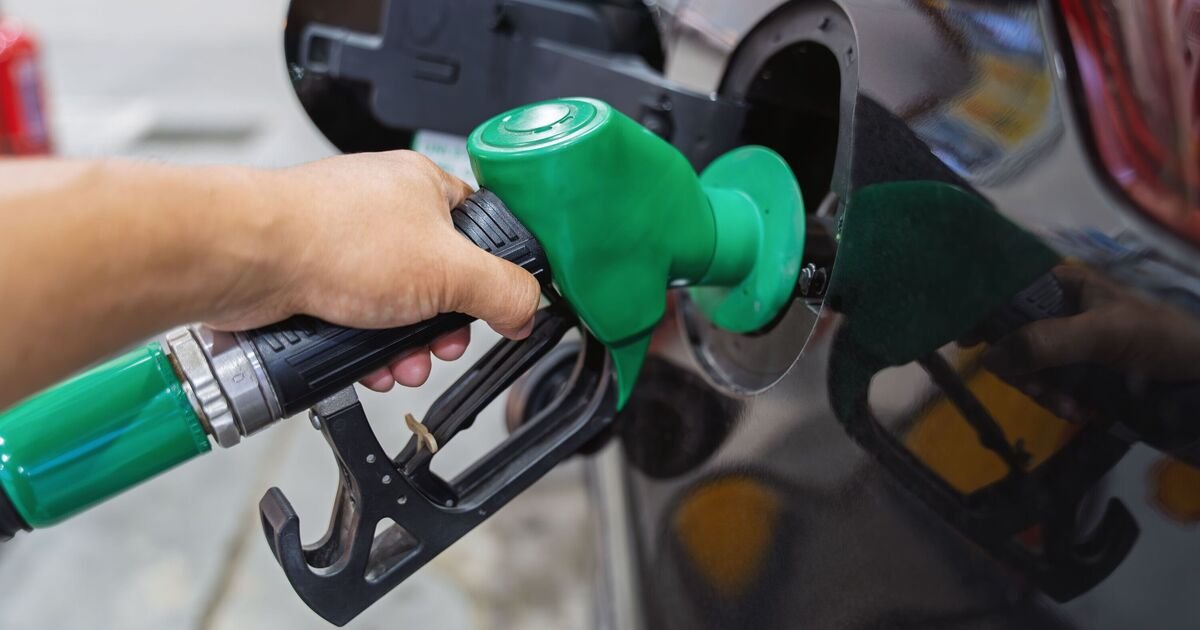

The CMA has recommended a ‘Fuel Finder’ scheme which the group feels will help retailers to be more competitive. Reacting to the analysis, RAC head of policy Simon Williams described the CMA’s findings as “concerning”.
He said: “It’s very concerning that the CMA has once again concluded that fuel margins remain historically high. Unfortunately, the CMA’s ongoing scrutiny appears so far to have had little effect on changing retailer behaviour.
“Hope of seeing more competitive prices on the nation’s forecourts now rests on the Government’s Fuel Finder scheme delivering when it comes into operation at the end of the year. If retailers being mandated to report their prices daily doesn’t lead to greater competition in the market, then further questions will need to be asked.
“We also look forward to seeing the results of the CMA’s first annual road fuel monitoring report at the end of the year, as this will look at retailer operating costs and their impact on margins.”
However, the latest CMA report does not yet take into consideration changes in fuel station operating costs. A higher margin could therefore be explained by rising outgoing fees, a point emphasised by the Petrol Retailers Association (PRA).
Gordon Balmer, director of the PRA said: “The latest CMA report is incomplete as it continues to benchmark current fuel margins against eight-year-old data. PRA continues to reinforce that operating costs for fuel retailers have increased substantially during this period.
“Rising costs of borrowing, increased labour costs due to successive national minimum wage hikes, higher business rates, increased employer National Insurance contributions, soaring energy bills and escalating crime levels all contribute to the financial pressures facing forecourt operators. These are crucial factors when assessing fuel pricing. Our members remain committed to fair pricing.”
