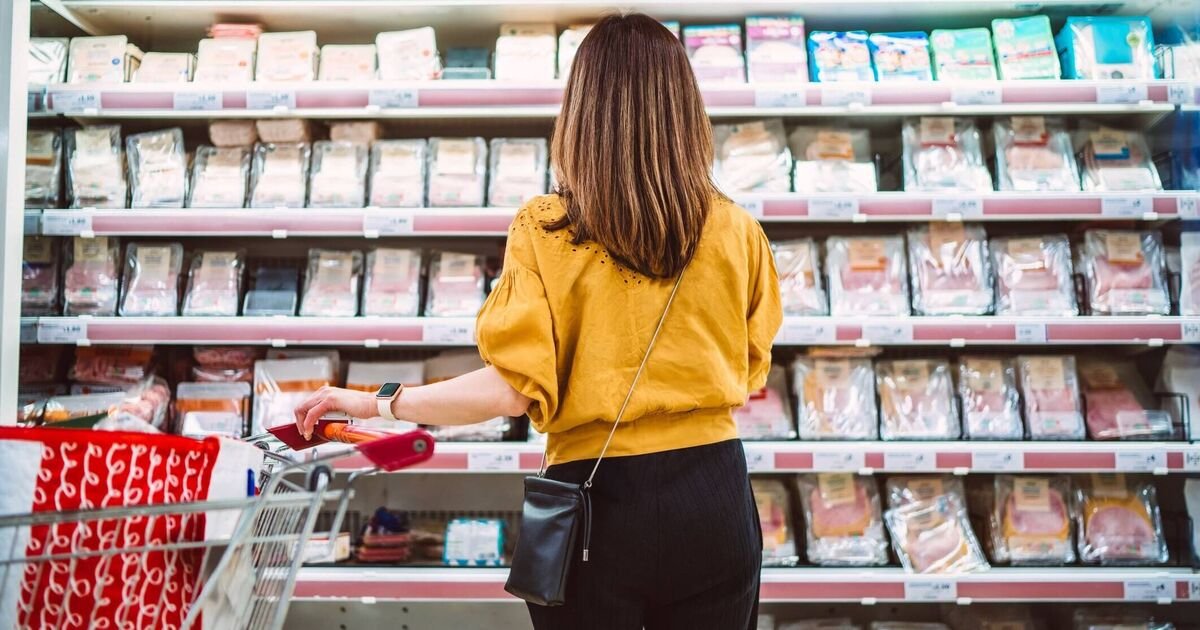


Cardiologist names five UK supermarket staples he’d remove from his shopping basket (stock image) (Image: Getty)
A cardiologist has revealed five UK supermarket items he would avoid purchasing. From certain meats to widely consumed beverages, Dr Francesco Lo Monaco, cardiologist and founder of The National Heart Clinic, cautions that these common supermarket products could compromise your cardiovascular well-being.
The heart expert encourages customers to reconsider their shopping choices before irreversible harm occurs. The alert arrives as mounting research connects diets rich in ultra-processed foods with heightened cardiovascular disease risk.
In research of over 6,000 adults, investigators discovered that participants consuming the highest quantities of ultra-processed food faced a 17 per cent greater cardiovascular disease risk compared with those consuming the lowest amounts. Researchers also detected notable alterations in blood molecules associated with these dietary patterns, suggesting that the connection between food processing and cardiac health might extend beyond excessive consumption of salt, sugar, or saturated fat.
Yet it isn’t solely obvious junk food warranting concern. The physician states that everyday essentials, from breakfast meats to prepackaged snacks and ready meals, can contribute to an unhealthy eating pattern when consumed frequently.
Dr Francesco Lo Monaco has highlighted five food categories he would recommend people reduce to safeguard their heart health in the long run. Below is what he has said about each one, reports the Mirror.

A cardiologist has identified five everyday supermarket foods he would urge people to eat less often to protect their heart (Image: Getty)
1. Bacon, sausages and sliced ham
He says processed meats can harbour substantial quantities of salt, and frequent consumption has been linked with heightened cardiovascular risk. Instead of making bacon and sausages the standard breakfast option, think about eggs, beans, mushrooms or fish more frequently.
2. Sugary fizzy drinks
People tend to focus on what they eat and overlook what they drink, Dr Francesco Lo Monaco notes. Sugary soft drinks and energy drinks can introduce considerable quantities of sugar without delivering the fibre or nutrients present in whole foods.
Water, sparkling water with fresh lemon or unsweetened beverages are superior everyday options.
3. High-salt ready meals
Certain supermarket ready meals harbour substantial quantities of salt, especially heavily seasoned dishes and those featuring processed meats, he cautions. Excessive salt can elevate blood pressure, placing additional pressure on the heart.
A swift meal prepared with tinned lentils or chickpeas, chopped tomatoes and frozen vegetables can prove a more wholesome alternative.
4. Packaged cakes and pastries
Muffins, pastries and sweet breakfast items can readily become daily habits, the doctor cautions. Many feature refined flour and added sugar while delivering relatively modest fibre.
Porridge with berries and nuts or wholegrain toast with nut butter can provide a more nutritious breakfast.
5. Crisps and salty packaged snacks
Consuming a packet of crisps from time to time is unlikely to pose a problem, but consistently relying on salty, calorie-dense snacks can lead to overlooking more nutritious foods.
Unsalted nuts, roasted chickpeas, fresh fruit and plain popcorn are alternatives worth having in the cupboard, according to Dr Francesco Lo Monaco.
Final word of advice
Dr Lo Monaco emphasises that people should not presume every packaged food is unhealthy. He explained: “We have become very focused on individual nutrients – whether something is low in fat, low in sugar or high in protein – but we need to look at the bigger picture.
“A food can carry a healthy-sounding claim on the front of the packet and still be a poor everyday choice. I would encourage people to turn the packaging around and ask themselves what nutritional value the food is actually providing.”
He continued: “Don’t overlook ordinary foods such as lentils, chickpeas, oats, berries, nuts and oily fish. They might not have glamorous marketing behind them, but they provide many of the nutrients associated with good cardiovascular health.
“The aim is not to eat perfectly or eliminate every packaged food. It is to make the foods that support your heart the foundation of your diet, rather than something you eat occasionally.”
Ensure our latest headlines always appear at the top of your Google Search by making us a Preferred Source. Click here to activate or add us as Preferred Source in your Google search settings.
