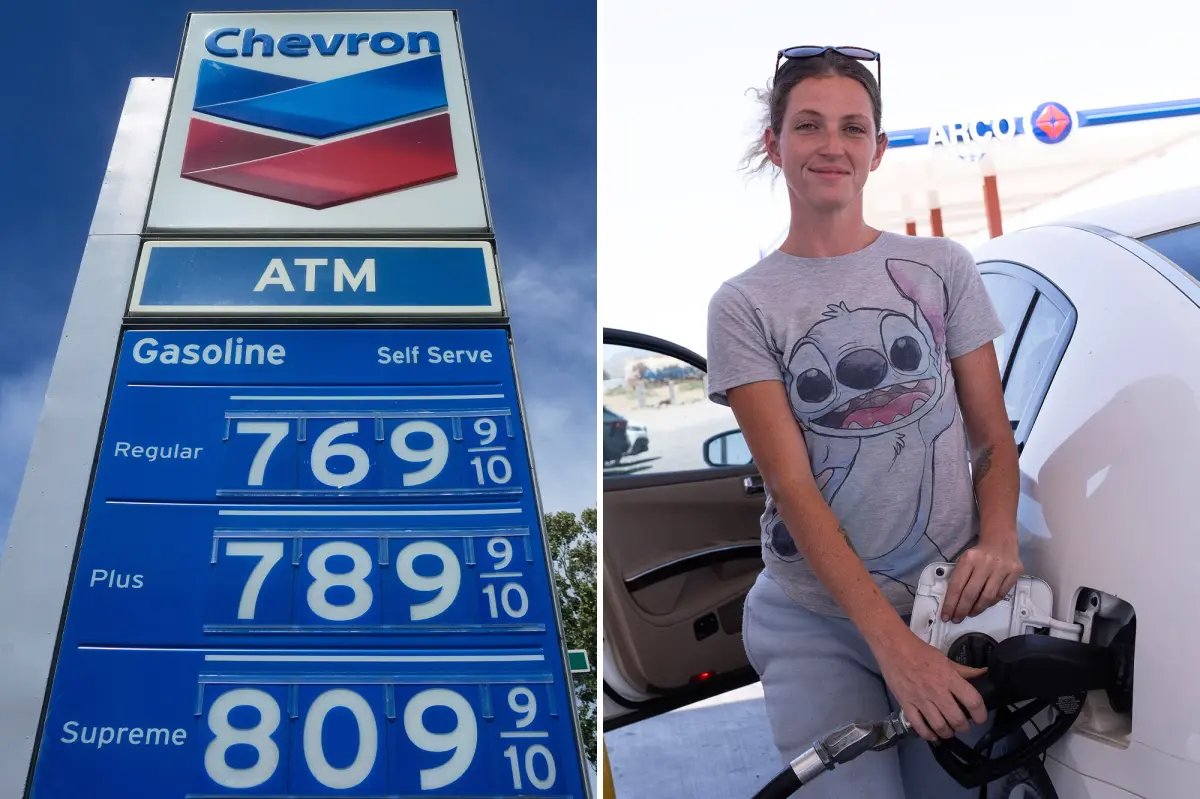


California may soon have to battle other states for oil resources as its imported supply runs dry, a leading lobbying group has warned.
Jodie Muller, CEO of Western States Petroleum Association, said the limited amount coming into the Golden State means it will be pitted up against the rest of the US and foreign markets.
It comes as the last ship to leave the Strait of Hormuz for California was unloaded in Long Beach, marking the final barrels of oil from the crucial Middle East route until the war in Iran is resolved.
Industry leaders say the state is especially exposed to the crisis due to its fight against refineries and gas giants, which has pushed it to rely heavily on crude oil from abroad.
Muller told KCRA the dependence means drivers should expect even more price hikes as well as possible shortages.
She said: “We will see continued pressure on price in an upward direction as supply comes down in the state and consumers should be concerned.
“The global disruption that we are seeing is really just exposing our system and showing how fragile it is because of the policies we’ve had over layered policies on top of each other.”
California’s fuel system has become increasingly vulnerable after multiple refineries announced shutdowns in recent months, following years of environmental regulations and political pressure aimed at reducing fossil fuel consumption in favor of renewable energy alternatives.
The Phillips 66 Wilmington/Los Angeles facility and the Valero Benicia plant shut down eliminating roughly 20% of the state’s total refining capacity.
Despite the push toward electric vehicles and clean energy mandates, the overwhelming majority of vehicles on California roads still rely on gasoline. State registration figures show nearly 90% of cars in the state continue to use traditional fuel.
As in-state refining capacity shrinks, California has leaned more heavily on overseas oil imports to meet demand. State figures indicate roughly 60% of California’s crude oil now originates from foreign suppliers.
A significant portion of those imports comes from countries in the Middle East and Asia, including Iraq and Saudi Arabia, with shipments passing through the strategically critical Strait of Hormuz before reaching the West Coast.
During a legislative hearing earlier this week, California energy officials told lawmakers the state currently has enough fuel reserves to meet demand for about six weeks if disruptions in the Strait of Hormuz continue. Beyond that timeframe, officials acknowledged the outlook becomes far less certain and could trigger major price spikes.
Muller declined to directly endorse the six-week estimate but agreed Californians should expect mounting pressure on supplies if conditions worsen.
When asked whether prices could rise another $1 or even $2 per gallon, Muller said she did not “have a crystal ball,” but emphasized the state’s dependence on outside fuel sources leaves consumers vulnerable.
California’s uniquely strict fuel requirements also complicate efforts to stabilize supply.
The state mandates a specialized gasoline blend designed to reduce pollution, but critics say the requirement limits where California can purchase fuel during shortages and drives up costs.
Lawmakers floated the idea during this week’s hearing of reevaluating the specialized blend requirement as one possible long-term solution to supply concerns.
“Our companies in state have already made those investments to make that gasoline,” Muller said, noting that changing the fuel formula would be complicated for refiners already operating under California’s existing standards.
Muller also argued state leaders should reconsider policies she says have made California increasingly hostile to oil producers and refiners.
She warned that continued regulations and political pressure could further weaken the state’s remaining refining infrastructure and force California to rely even more heavily on imports from foreign countries.
“When we see policies being proposed that will be detrimental to this industry, i don’ think they’re getting the message,” Muller said.
Download The California Post App, follow us on social, and subscribe to our newsletters
California Post News: Facebook, Instagram, TikTok, X, YouTube, WhatsApp, LinkedIn
California Post Sports Facebook, Instagram, TikTok, YouTube, X
California Post Opinion
California Post Newsletters: Sign up here!
California Post App: Download here!
Home delivery: Sign up here!
Page Six Hollywood: Sign up here!
