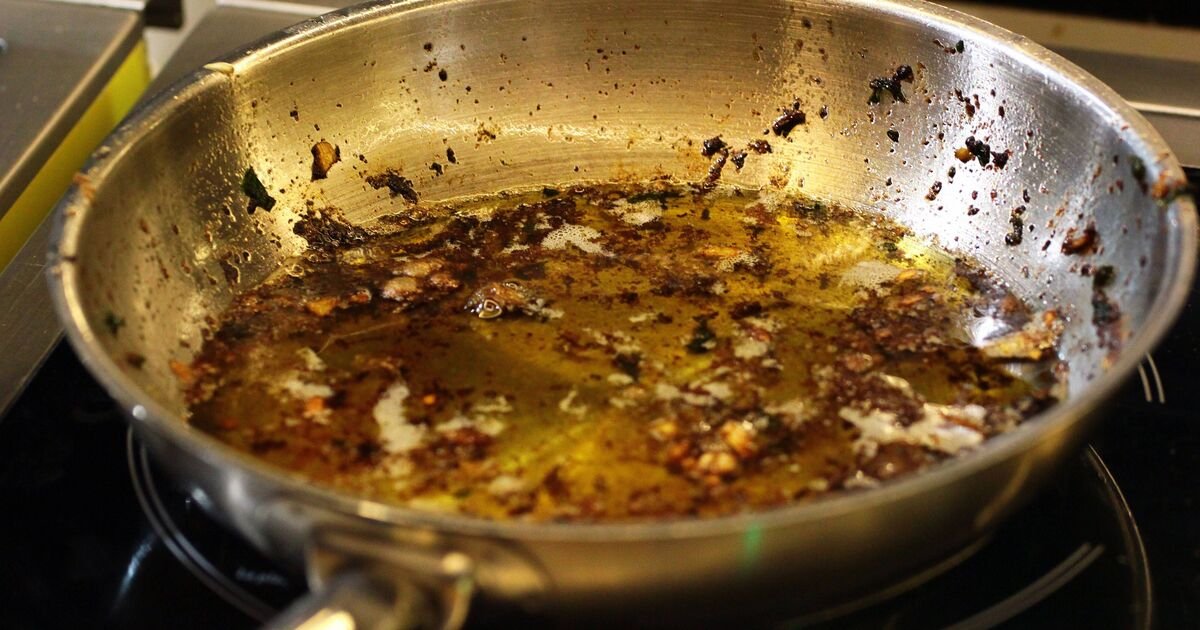

For those who frequently cook at home, there’s one kitchen by-product that can cause significant headaches if disposed of incorrectly. Used cooking oil poses a particular challenge, especially when you’ve built up a large quantity. It’s common knowledge that tipping it down the sink is absolutely prohibited, as it can harden quickly and lead to expensive blockages requiring expert intervention.
You might naturally assume the food waste caddy is the obvious answer. Yet, according to one waste collection operative on social media, this method is just as wrong.
The No1 Binman on TikTok, a self-styled ‘binfluencer’, frequently shares helpful advice assisting Britons with correct rubbish disposal methods. Most of his videos answer questions he’s been asked, and he recently tackled the confusion around disposing of used cooking oil, reports the Mirror.
While the sink is undoubtedly the incorrect option, the expert confirms that the food waste container is similarly inappropriate. He said: “Used cooking oil should go in your general waste. Do not put it in the food waste, and definitely not the recycling bin.”
Ensure our latest cleaning stories always appear at the top of your Google Search by making us a Preferred Source. Click here to activate or add us as a Preferred Source in your Google search settings
The professional explained that pouring oil directly into the bin risks creating problems with the liner. He recommended: “If you can, put it in a container or something that can’t be recycled and then put it in your general waste. It stops it from going anywhere in case a bag splits.”
A carton or jar works perfectly as a container for this purpose, but make sure it has a tight-fitting lid. There is, however, one notable exception to this advice, as the bin man was quick to point out.
He explained: “If you’ve got loads of it, like commercial, then no, it doesn’t go in your general bin. You’d have to either contact your council or get someone else to come and collect it.
“But if it’s just like a normal family-sized amount of cooking oil, then it’ll just go in your general waste.”
For those looking to get even more use out of their leftover cooking oil, experts at Zero Waste Scotland have suggested several practical recycling alternatives.
It can be applied to garden sheds or fence panels as a substitute for creosote, as it won’t discolour the wood and presents no danger to surrounding plants or wildlife.
Another method involves using cooking fat from chicken or bacon to make a homemade treat for garden birds. Simply pour it into a suitable container, combine with bird seeds and nuts, leave it to set, then hang it outside for your feathered visitors to enjoy.
