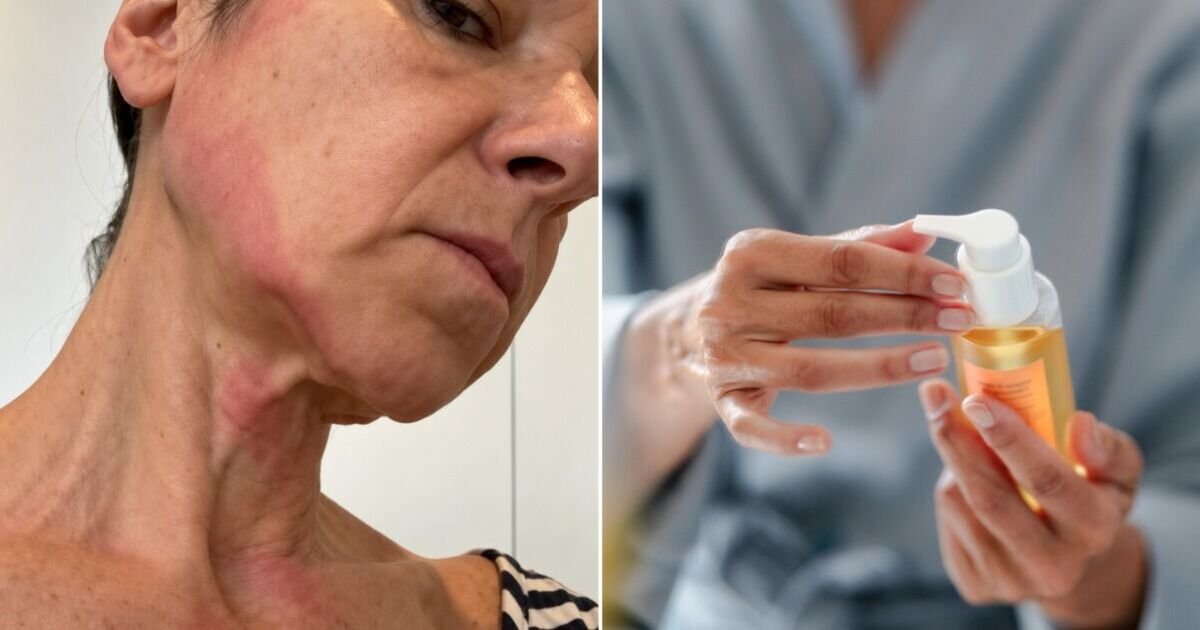

Mercury, lead and nicotine are among the harmful substances that have been found in fake cosmetic products, investigators have warned. Scammers are increasingly targeting beauty products, with cosmetics, skincare and perfumes now among Trading Standards’ ten most commonly investigated counterfeit goods.
The Intellectual Property Office (IPO) has launched a Face the Fakes campaign highlighting the risks identified through testing of seized products. Independent toxicologist Rani Ghosh said: “Some reactions to unsafe cosmetics may be visible, such as irritation, swelling or changes to the skin.
“But what concerns me as a toxicologist is what you might not see. Substances such as mercury and lead can affect the body internally, and those effects may not be immediately obvious. Counterfeit beauty products can look incredibly convincing. You cannot tell from the packaging what chemicals are inside, how the product has been made, or what risk it might pose.”
The most recent UK Customs Intellectual Property Enforcement Report showed Border Force seized 344,735 body care products in the three years to December 2023, with an estimated retail value of more than £15million.
Trading Standards tested a cross-section of 50 seized counterfeit cosmetic products, including skincare, make-up and fragrance. Twenty failed on safety grounds.
One counterfeit skin-lightening cream contained 1.32% mercury, equivalent to 13,200 parts per million. Mercury is prohibited in cosmetics of this type and repeated exposure through the skin can damage the kidneys and nervous system.
High levels of lead were found in multiple counterfeit lipsticks, eyeshadows and contour products. Lead can build up in the body over time, potentially damaging the brain, nervous system and kidneys.
Nicotine was also found in counterfeit perfume despite its use being banned in cosmetics. And one fragrance was found to contain 80% methanol – a toxic alcohol that can be absorbed through the skin or inhaled, and can cause serious poisoning.
Helen Barnham, the IPO’s head of enforcement engagement, said: “Products can look remarkably convincing but behind the packaging they can contain dangerous substances that have no place in the cosmetics people use every day, and can be made in appalling, unhygienic conditions.
“Counterfeiters exploit the names and reputations of brands that consumers know and trust, while bypassing the rigorous safety standards that legitimate businesses work hard to meet. We want to make sure people understand the potential risks and know how to protect themselves.”
During a July warehouse raid in Manchester, the Police Intellectual Property Crime Unit and Greater Manchester Police seized 1,666 counterfeit hair products including hair extensions, shampoo and conditioners.
This follows a raid in Bolton, in which Trading Standards officers seized £2million worth of counterfeit goods, including perfume, cosmetics, clothing and vapes.
Millie Kendall, chief executive of the British Beauty Council, said: “The UK beauty industry puts enormous care, creativity and expertise into creating products that people love and can use with confidence.
“Safety and trust run right through our industry, from the brands developing products to the retailers and professionals bringing them to consumers.
“Counterfeiters trade on the reputation and creativity that brilliant beauty businesses have worked hard to build, without putting in the same care or meeting the same standards.”
Face the Fakes — the IPO explains how to stay safe
1. Check who you’re buying from: Look beyond the marketplace or social platform and check the seller behind the listing. Where possible, buy from trusted retailers, official brand websites, or authorised sellers.
2. Question the deal, and don’t be rushed: A discount doesn’t mean something is fake, but an unusually low price can be a warning sign. Be wary of deals or sales tactics that pressure you to buy quickly – pause and think twice before you purchase.
3. Look beyond the shiny stuff: Don’t rely on convincing imagery or five-star reviews alone. Check the product information, ingredients, company/contact details and other information you’d expect to see and look beyond the listing for information about the seller.
4. Pay attention if something feels off: When your product arrives, check the packaging for an ingredients list, batch number, company name and address, and any relevant safety warnings. Missing details, blurry print, spelling mistakes, missing information or something that looks, smells or feels different from what you expect can be warning signs.
5. Think it could be fake? Don’t use it – report it: Don’t try it and see. Keep the product, packaging, receipt and seller details, and report your concerns to Trading Standards.
