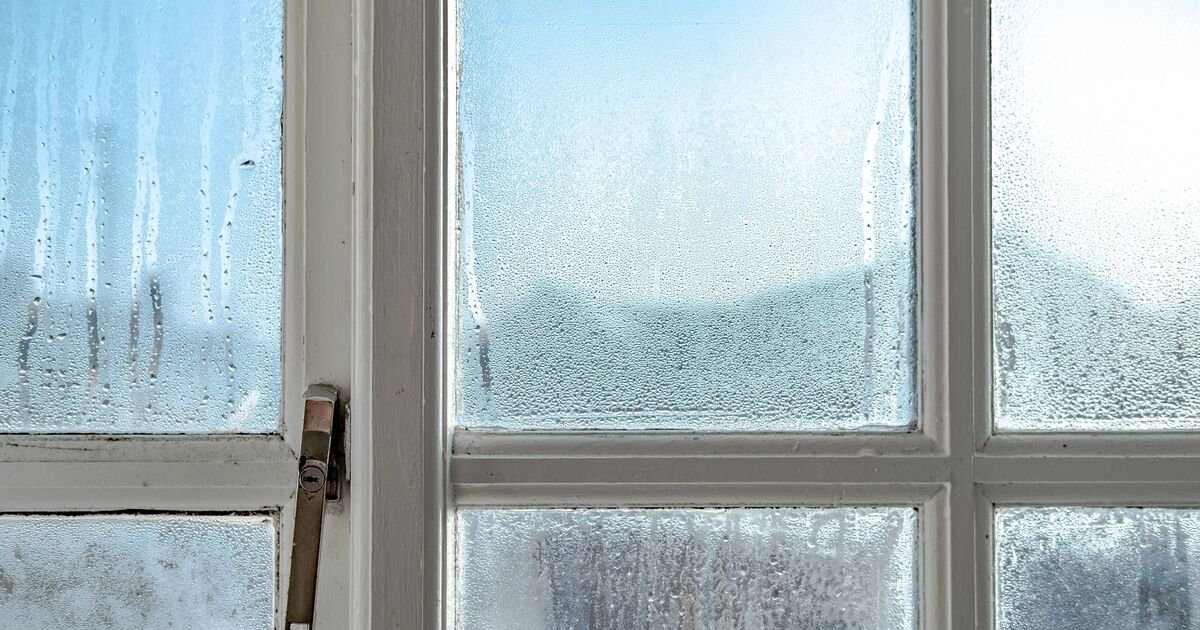

As the weather turns chillier and households begin firing up their heating systems, numerous UK homes are awakening to sodden windows and moisture-laden sills. Condensation becomes a frequent visitor during autumn and winter months, reports Manchester Evening News.
However, whilst the mist on your glass might appear innocuous, it serves as the initial alert that your property is retaining excessive moisture, potentially cultivating mould in silence. Window specialist Nancy Whittington-Coates from Order Electric Blinds revealed that condensation reaches its peak during this period because “the cold outdoor air clashes with the warm, humid air inside”. Sleeping quarters prove especially susceptible to this issue, as Nancy explained we release moisture through breathing whilst we sleep, causing it to accumulate overnight on chilled glass surfaces.
When this problem remains unaddressed, the water droplets can penetrate frames, destroy paintwork, and welcome mould spores that worsen allergies and asthma conditions. “It’s something I see every single winter,” Nancy said. “People wake up to dripping windows and think it’s normal, but over time, that moisture damages your walls, plaster and even your health.”
Nancy’s golden rule centres on equilibrium – retaining warmth whilst allowing air circulation. She recommended pulling curtains during evenings and throughout the night, but simultaneously opening trickle vents or slightly cracking a window during daylight hours.
“Thick, heavy fabrics act as insulation, reducing heat loss through glass,” she said. “But if the room is completely sealed, the warm, moist air has nowhere to escape, so you end up with condensation trapped behind those curtains.
“That’s why I always tell people to open their trickle vents or slightly pull the curtains back for ten minutes each morning to let fresh air circulate.”
Nancy continued: “It might sound counter-intuitive to open a window in winter, but it’s the best way to flush out humid air. Ten minutes of fresh air won’t freeze your house, but it will stop your windows turning into waterfalls.”
She also suggested purchasing thermal-lined curtains, which “not only keep your heating bills down but help regulate humidity”. For south-facing rooms, she proposes “drawing them back during sunny spells to let natural warmth flood in, then closing them again as the temperature drops.”
Nancy emphasised that extractor fans should operate for at least 15–30 minutes after cooking or showering. “Bathrooms and kitchens are moisture hotspots, so let those fans do their job properly before switching them off,” she said.
Beyond curtains and vents, some everyday habits quietly worsen the issue. “Drying clothes on radiators is one of the biggest culprits,” Nancy warned. “You might think it’s saving energy, but you’re releasing litres of moisture into the air.”
Instead, she recommended waiting for cold but dry days to hang washing outside, or using a dehumidifier or moisture-absorbing bags indoors. “You can get small hanging dehumidifier bags online for just over £1,” she pointed out.
“Pop one near a window or wardrobe and you’ll notice the difference.”
She also identifies the kitchen as another potential hazard. “When cooking, always use your extractor hood and cover pans with lids. Those little actions can reduce the humidity that spreads through your home.”
Beyond comfort and cost, Nancy states that health is the most significant reason to address condensation. “Mould thrives in damp environments, and once it takes hold, it spreads quickly,” she cautions.
“You might not even see it at first, as it hides behind furniture or under window sills, but you’ll start feeling it in your breathing.”
The NHS has stated that prolonged exposure to mould can lead to respiratory issues, skin irritation, and even exacerbate asthma symptoms. “That’s why I always say prevention is much easier than cure. Once mould sets in, it’s a nightmare to remove.”
