


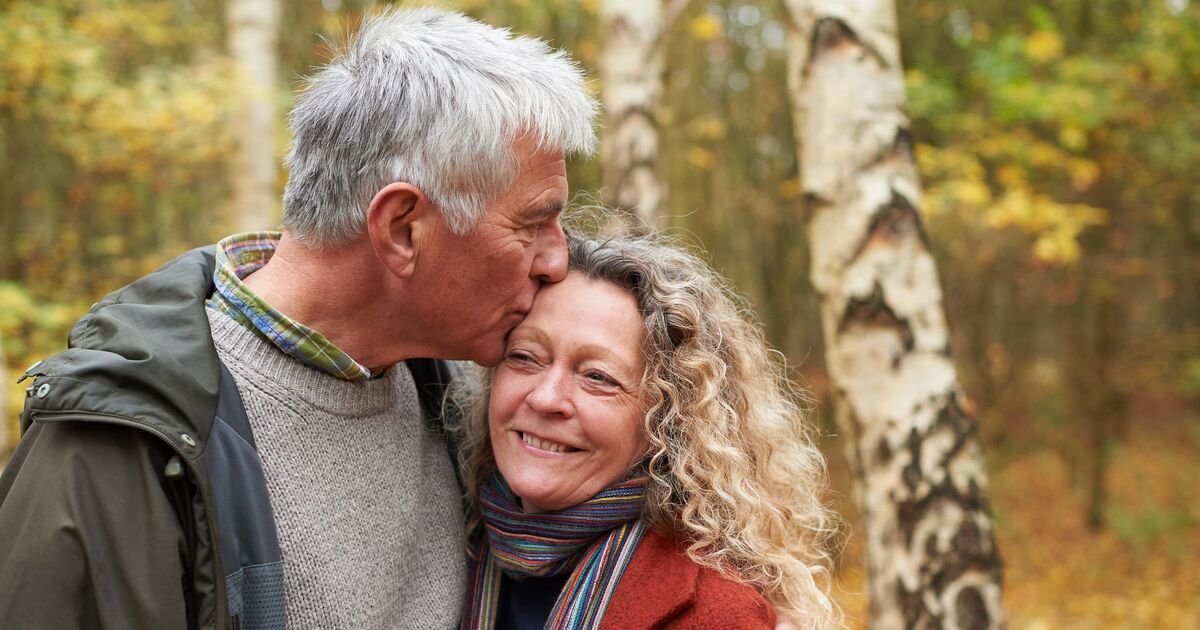

Experts say 2026 will see us move away from complex health routines and back to basics (Image: Getty)
Health experts say 2026 will be the year we move away from complicated wellness routines and refocus on simple habits that genuinely support long-term health. With busy lives, rising costs and growing concern about energy, heart health and ageing well, these are the key health movements set to shape the months to come.
1. GRABBING HOLD OF GLIMMERS
After years of stress and constant digital noise, psychologists say 2026 will be about retraining the brain to notice small moments of calm and positivity, known as “glimmers”. A glimmer is the opposite of a trigger. It is a cue or moment that sparks feelings of joy, warmth or nostalgia.
“This can be anything from watching a beautiful sunrise or taking a sip of delicious coffee,” explains chartered psychologist Dr Sheena Kumar. Research suggests practices linked to gratitude and positive attention are linked to improved emotional regulation and overall wellbeing. They shift attention, deepen relationships, improve emotional regulation and help build a positive feedback loop,” explains Dr Kumar. “Like a muscle, the more we practice and notice things we’regrateful for, the more our brain willbe programmed to findthese glimmers and be thankful for them.”
HOW TO DO IT:
Notice small moments that make you smile and pause briefly to acknowledge them. You can also create glimmers deliberately by listening to your favourite song or lighting a candle. “And try habit stacking,” adds Dr Kumar. “Research shows we’re more likely to incorporate a new behaviour on top of an existing habit, so adding 30 seconds of gratefulness when you brush your teeth or sip your morning tea can be great ways to remember to build it intoyour day.
Read more: Putin’s terrifying new plot to live to 150 – but is it possible
Read more: Study reveals how many people in Great Britain are using fat jabs

Dr Sheena Kumar says we need to retrain our brains to enjoy small moments of calm, called glimmers (Image: Courtesy Dr Sheena Kumar)
2. EXERCISE SNACKING
With around one in three UK adults not meeting recommended activity levels, experts are encouraging “exercise snacking”, short bursts of movement spread throughout the day. This approach helps counter long periods of sitting and supports heart health, blood sugar control and muscle strength. Research suggests benefits can be seen at much lower step counts than the traditional 10,000-a-day target.
HOW TO DO IT:
Climb stairs briskly, carry shopping bags, dance while cooking or play actively with children or pets. Short, regular bursts of movement all count.
3. FIBRE-MAXXING
After years of protein-focused diets, fibre is finally returning to the spotlight. UK guidelines recommend adults consume around 30g of fibre per day, yet the average intake is around 18g, meaning more than 90% of people are falling short.
“I’m not generally a fan of nutrition fads, but if this trend encourages people to eat more fibre, it can only be a good thing,” says nutritionist Rob Hobson. “Fibre plays a vital role in gut health, helps prevent constipation and is linked to a lower risk of conditions such as heart disease, stroke, type 2 diabetes and bowel cancer. A major 2019 review found that higher-fibre diets were associated with a 25% reduction in the risk of several of these diseases.”
HOW TO DO IT:
Build your fibre intake gradually to avoid bloating or an upset tummy. You should aim for variety by including vegetables, fruit, pulses, wholegrains, nuts and seeds. “Small swaps soon add up, so add a handful of nuts and berries to breakfast cereal, stir lentils or chickpeas into curries and pasta sauces, or use beans in place of potatoes as a side dish,” adds Rob. “And for some people, a fibre supplement can also help bridge the gap.”
TRY: Healthspan Easyfibre Cleanse (£21.99, healthspan. co.uk).
4. ELECTROLYTES: RISE OF SMARTER HYDRATION
Hydration is set to be a major health focus in 2026, driven by increasingly active lifestyles and rising temperatures. Experts warn dehydration is often mistaken for fatigue, headaches or poor concentration.
Viridian Nutrition Director Aimee Benbow says electrolytes are becoming more relevant beyond sport. “Staying hydrated is crucial for overall health but with temperatures hitting record highs year-after-year and heatwaves becoming more frequent, we’re expecting to see a huge spike in electrolytes as a way to replenish fluids, and not just for those with active lifestyles,” she explains.
Electrolytes help regulate fluid balance, nerve signalling and muscle function. pNHS GP and ultra runner Dr Siobhan Brennan adds: “It’s important to keep on top of your body’s electrolyte levels when training as they’re essential minerals that the body needs to stay hydrated.
“As an ultra-runner, this is particularly important, taking part in prolonged training sessions and competition events. I make electrolyte drinks part of my essential running routine. I use after intense gym sessions but also in my day-to-day routine as part of active recovery, to keep me topped up and be the best version of myself. This ensures I am always repleted and ready to face what the next day brings.”
HOW TO DO IT:
Check labels carefully, as many hydration drinks are high in sugar or artificial additives. Nutrition Director Aimee adds: “To ensure people get the full health benefits from electrolytes, it’s important to choose mineral salts which are extracted from a clean and natural source and bottled without the need for preservatives or anything artificial.”
Try: Viridian Electrolyte Fix Liquid, from viridian-nutrition.com or health food stores.

Staying hydrated can mean more than just drinking lots of water while exercising (Image: Getty)
5. CREATING A CREATINE HABIT
Once associated mainly with bodybuilders, creatine is now moving into the mainstream.
“This shift is driven by a growing body of research showing creatine’s benefits extend beyond muscle strength and performance,” says Rob Hobson. “Emerging evidence suggests it may play a role in supporting cognitive function, particularly during periods of mental fatigue, stress or ageing, while other early research is exploring its potential to support energy levels and brain function during menopause.”
Creatine is made naturally by the body and fuels short bursts of intense activity. Levels used in studies are far higher than can be achieved through diet alone.
HOW TO DO IT:
Creatine is considered safe for most healthy adults when used appropriately. “However, higher doses can cause digestive discomfort in some people so it’s sensible to start low and build up,” says Rob. “Research suggests a daily dose of 3-5g is sufficient to experience benefits.”
Try: Healthspan Elite All Blacks Creatine Monohydrate (£43.99, healthspan.co.uk).

Nutritionist Rob Hobson (Image: Courtesy Rob Hobson)
6. WEIGHTING IT OUT
Strength training is becoming increasingly popular as research highlights its importance for metabolic health, balance and independence as we age. Research published in the journal Biology found that just 90 minutes of resistance training per week was linked with improvements in biological age markers.
HOW TO DO IT:
You do not need a gym membership to start. Bodyweight exercises such as squats, lunges, push-ups and planks are effective. Resistance can be added gradually using light weights or household items.
7. HOLIDAY HEALTH BREAKS
Wellness and travel writer Mars Webb says one of the clearest UK health movements for 2026 is the way travel is being used to support wellbeing, rather than simply offering an escape from everyday life.
Instead of abandoning healthy habits while away, people are choosing holidays that encourage movement, better sleep, social connection and stress reduction. The emphasis is on restoration rather than transformation.
Travel editors at Condé Nast Traveller have noted that wellness travel in 2026 will feel “less like a doctor’s visit and more like a holiday”, with wellbeing woven into the experience rather than treated as a programme.
HOW TO DO IT:
Look for holidays that support sleep, gentle movement and social time without rigid schedules and cater for different fitness levels. Resorts such as The BodyHoliday offer this balance, combining daily activity, relaxation and luxury in a sociable setting without pressure.