
A sick practice used to prepare child brides for “marriage” is now being reclaimed by young girls in Zimbabwe who are rejecting the tradition that teaches children how to sexually please their adult husbands.
“Nhanga” a local term for “girls’ bedroom” was historically a female only space used to teach adolescent girls obedience.
The guarded hut was used for “secret, musical rites of passage render young girls eligible for lobolo, bride-price negotiation,” wrote Thomas F. Johnston, in The Secret Music of Nhanga Rites.
He added: “Through song, mime, and mild forms of physical mutilation, the old women overseers of the Nhanga teach initiates how to please the husband sexually, and rehearse them in the duties o f a junior wife: carry water long distances, clear village fireplaces o f ashes, gather firewood, tend the fields, pound maize in the mortar, and show humility to senior co-wives.”
In Shamva, this tradition is being flipped.
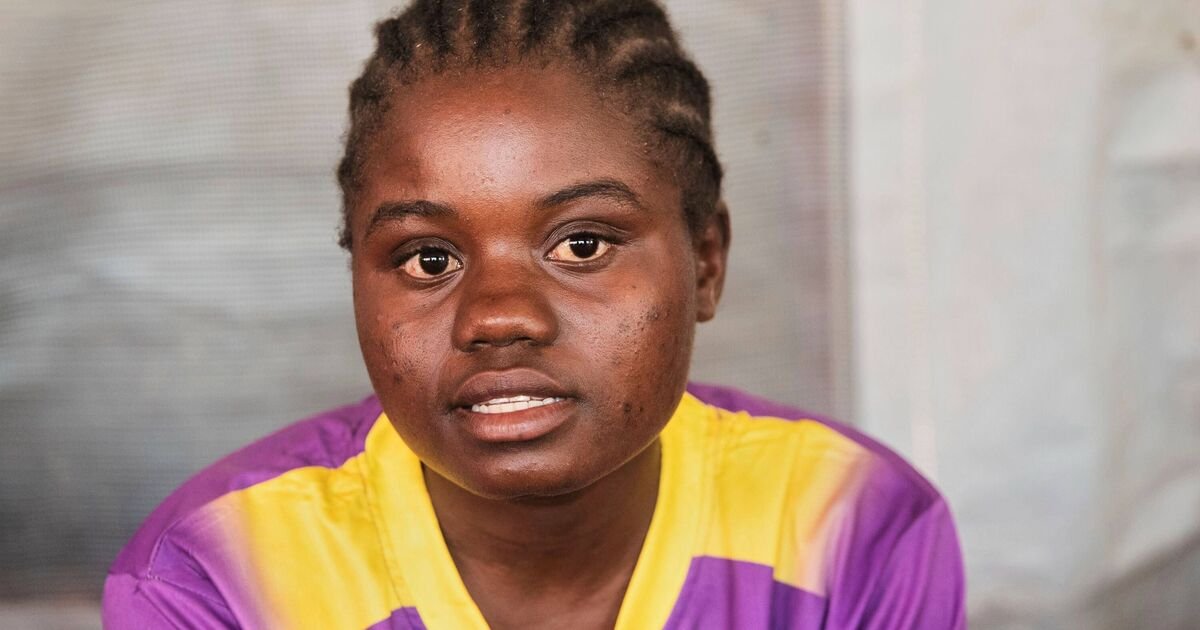
“Here, the Nhanga is “a safe space, every girl feels free,” 18-year-old Anita Razo who joined the group at 14 and now mentors younger girls, told the Associated Press.
Inside the tent, led by a mentor, the girls openly address sexuality, child marriage, teen pregnancy, gender bias, education, economic empowerment, and the law. The goal is to empower girls against child marriage in the country where one in three girls marries before 18, according to the United Nations Children’s Fund, calling it “a national emergency demanding urgent action.”
Zimbabwe and many other African countries have outlawed child marriage, but poverty, slow law enforcement and cultural and religious customs make it hard to permanently erase it.
Samantha Chidodo was forced into an abusive marriage at 17 to a man nearly a decade older but now she is 26 and a final-year law student.
“All I wanted was to play and think of my future. Suddenly I had to be a mother and wife,” she said at a camp that blended tent sessions with a “girls and goals” soccer tournament.
“I didn’t even know what to do. I would be dead asleep, oblivious that I needed to breastfeed.” A woman next door would take the crying baby, feed him and return him to the sleeping teen mother, she said.
After two years, she left, but was ostracised by her neighbours. Eith the support of Rozaria Memorial Trust, she returned to school and became one of the modern Nhanga pioneers.
“Initially we were only about 20 girls. Almost 90% of us did well, some went to college, others started projects. The community began to see our power, and encouraged their children to join,” she said. “Nhanga is now seen as cool.”
Now more than 200 girls in her village participate with many schools across Zimbabwe adopting the model. Xmas Savanhu, a local village headman, said leaders now enforce rules against early marriage and offenders reported to police and forced to pay a cow as a fine held in trust by the chief for the girl’s education.
He explained: “This ensures she can return to school without financial worries.”
Enet Tini, a teacher and girls’ mentor whose school adopted the model said the cultural attitudes live on despite their efforts and government policy. “The gap that we have lies with the adults. They view pregnancy or child marriage as indiscipline so they think the girls should be punished,” she added.
Nyaradzai Gumbonzvanda, deputy executive director at U.N. Women and founder of the Rozaria Memorial Trust, called child marriage “essentially rape and sexual exploitation” and a worldwide problem, but “much higher in Africa.”
“Laws are important … but it is critically essential to reach to the girls themselves, to do the shift in the social norms in our communities,” said Gumbonzvanda, who started Rozaria Memorial Trust in 2007 in honor of her late mother, who was married at 13.. Razo, the young mentor agrees that the long term solution should include the young girls, saying “If we can pressure each other into behaving badly, then we can also influence each other to act positively.”
