


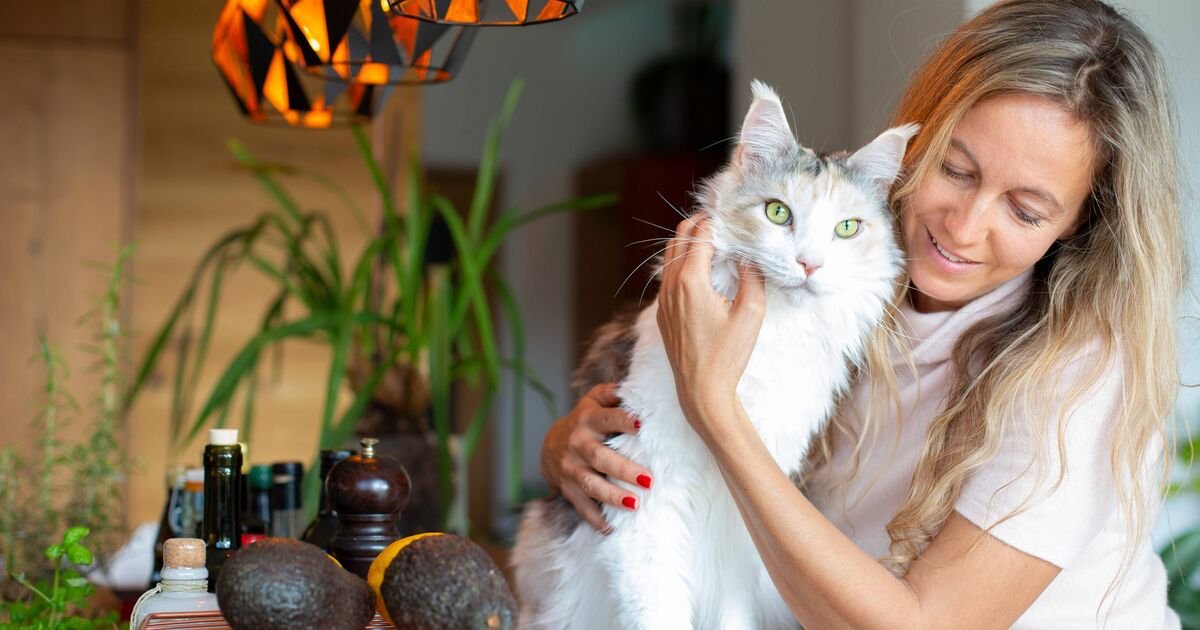
Cats rank as the UK’s second favourite pet, coming just after dogs.
They’re cherished for being independent and easy to care for. UK Pet Food reported that in 2024, there were 12.5 million pet cats across the country, with per cent of households owning one.
Cats come in many varieties, but in the UK, the most widespread are moggies, mixed-breed cats. Among the more well-known pedigree breeds are the British Shorthair, Ragdoll, and Bengal.
While pedigree cats belong to established breeds with traceable lineage, moggies are the product of natural breeding over time, resulting in a rich and varied genetic mix. Ben Simpson-Vernon, a small animal vet operating across the UK, has highlighted an alarming shift in how owners are now getting new feline companions.
In an Instagram video, he declared: “The way that people are acquiring new cats is changing massively and it’s a really worrying trend. In 2025 for the first time ever, more new cats were pedigree cats that have been purchased as opposed to moggies that are typically adopted.”
The veterinary specialist warned this emerging pattern could prove “disastrous” if it continues for several reasons. His first point was that countless cats and kittens are currently in rescue centres, all hoping to be adopted into loving homes.
He also noted that moggies aren’t usually bred on purpose – they typically come from accidental litters due to unneutered cats or from strays reproducing on their own. Vernon explained that these unwanted cats and kittens will still continue to be produced so if people are choosing to buy than adopt rescue centres will become more overcrowded than they already are.
He added: “Secondly, we do not want for cats what has happened to dogs. Selective breeding of any animal, including cats, means that you create a small gene pool and genetic disorders inevitably become more common.
“What’s also worrying is that some of these pedigree cat breeds are specifically bred to have physical features that people find cute but are associated with a risk of disease.”
The small animal vet gave the “especially upsetting” example of Scottish fold cats, which have increased in popularity, and are bred to have folded ears that are linked to a cartilage disorder “that means most of these cats develop painful arthritis at a young age.”
Vernon went on to share that many pedigree cats are also brachycephalic so they have a flatter face that people often find cute but is linked to respiratory and eye problems.
He concluded with a message: “A moggy can be just as wonderful a companion as a pedigree cat so if you are thinking of getting a cat do consider adopting.”
In the caption of his Instagram post, the animal specialist said that cats are sadly starting to become ‘products’ to be bought rather than being rescued.
He pointed the finger at social media and consumerism, remarking: “People fall in love with the look of a British Shorthair, or a Scottish fold cat on social media, and want to order one online conveniently, ideally as easily as they would a new coat, or a toaster.”
Ben acknowledged that there are certainly reputable breeders of pedigree cats out there but warned that cat breeding is “becoming a lucrative industry that is currently unregulated” and he feared this can “easily attract the wrong sort” who simply want to make money and have “little regard for cat welfare.”
Before deciding on a particular breed, be sure to carry out your own research.