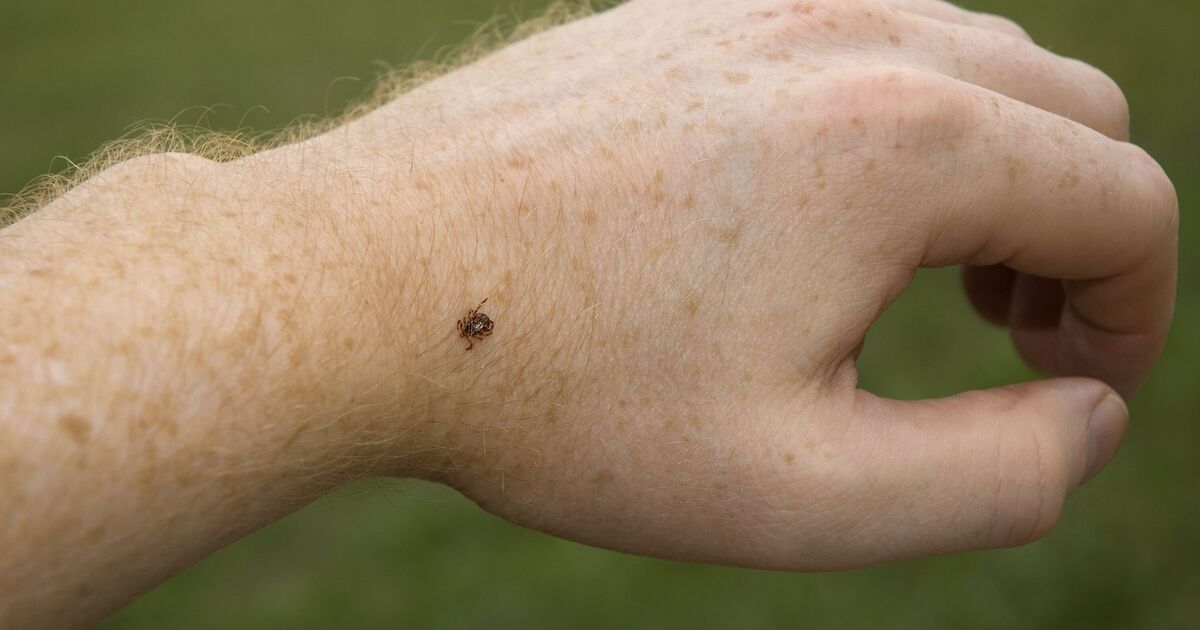

Ticks are known carriers of numerous illnesses, with alpha-gal syndrome being one of the most lethal but also one of the more rare. The condition was first reported in the UK in 2019, primarily among travellers returning from abroad with tick bites.
However, a recent study published in the British Journal of General Practice suggests that Ixodes ricinus, a tick species native to the UK, could be transmitting the disease too.
This follows several case reports in Scotland. Previously, it was believed that the lone star tick, indigenous to the US, was responsible for the condition.
However, recent reports from the CDC have identified two additional black-legged tick species that could be carrying the disease on the other side of the Atlantic.
Alpha-gal syndrome is an allergy triggered by the saliva of certain ticks. It causes an overreaction of the immune system to a specific sugar, galactose-α-1,3-galactose, or alpha-gal, found in mammalian muscle tissue.
Consequently, people with this syndrome develop a potentially fatal allergy to red meat, certain medications, personal care products and medical treatments.
According to Anaphylaxis UK, the symptoms of this allergic reaction can be somewhat delayed, making it difficult for some people to connect their symptoms to the trigger.
The initial symptoms can manifest up to eight hours after consuming red meat. Mild reactions may include a raised red rash anywhere on the body, an itchy or tingly sensation in the mouth, swelling around the eyes, lips and face, as well as stomach pain or vomiting.
In more severe instances, it can lead to anaphylaxis, which can cause difficulty breathing, disrupt heart rhythm or blood pressure. You may feel weak and limp or experience a sense of impending doom due to a drop in blood pressure.
Collapsing and loss of consciousness are also possible, and without treatment, anaphylaxis can be fatal. Individuals with asthma may also be at risk of experiencing more serious symptoms.
Treatment for alpha-gal syndrome is similar to that of other allergies; antihistamines, epipens if necessary, and avoidance of the allergen. The allergy may not be permanent for some people, while others may have lifelong sensitivity.
Avoiding further tick bites can also enhance the chances of your symptoms diminishing over time. If you’re concerned that you might have alpha-gal syndrome, Anaphylaxis UK recommends asking your GP to refer you to an allergy clinic, even if the symptoms are mild.
