


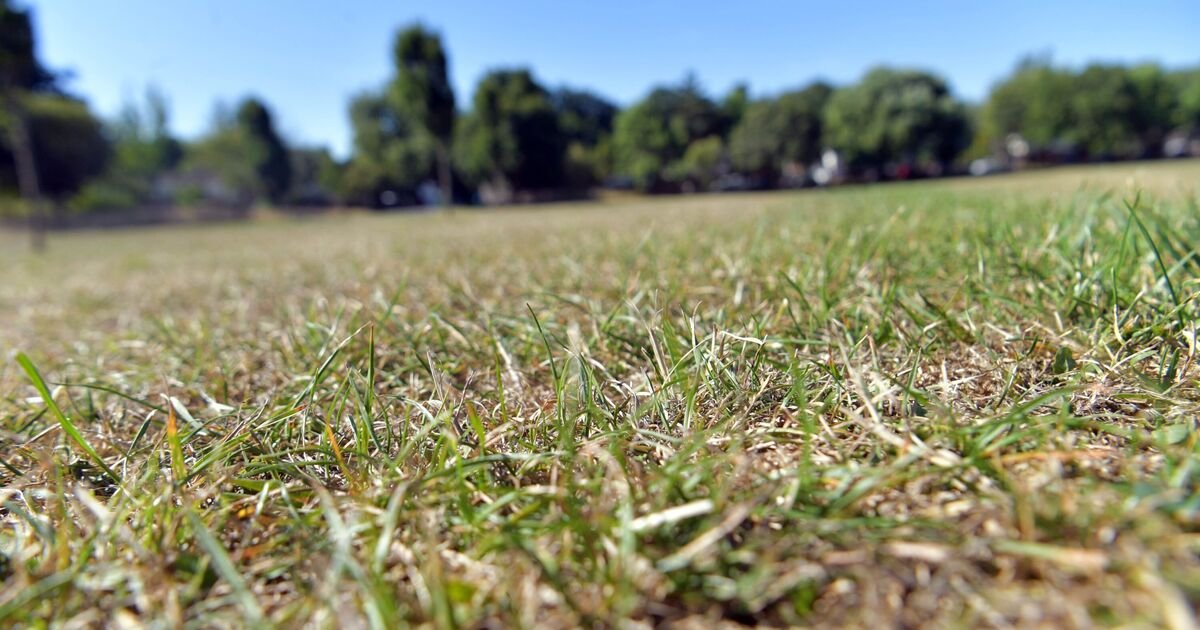
Maintaining a lush, green lawn throughout the summer can be a challenge, especially with recent heatwaves. But now a gardening expert has come forward with advice on keeping your grass in top condition.
According to Nick Ee, product and training manager at Black and Decker: “Summer lawn care is all about working with nature rather than against it.” He warns that during the hotter months, many gardeners unintentionally harm their lawns by making easily avoidable errors. By dodging these pitfalls, you’ll foster a healthier and more robust lawn capable of coping with Britain’s increasingly erratic summer climate.
1. Overwatering
“This technique actually trains the grass roots to stay near the surface, creating a lawn that’s dependent on daily watering and vulnerable to dry spells,” said Nick.
Instead, Nick recommends watering deeply once or twice a week to ensure moisture reaches at least 15cm into the soil. This method promotes deeper root growth, resulting in a lawn that’s more resistant to drought and able to tap into underground water supplies when temperatures soar.
2. Mowing too short
Nick said you should never remove more than one third of a blade of grass in a single cut. “You remove its ability to photosynthesise effectively and expose the soil to direct sunlight, which encourages weed germination,” he said.
He continued: “I’d recommend keeping your mower blades higher during summer, around six to eight centimetres is ideal. This provides natural shade for the roots and helps retain soil moisture.”
3. Overfeeding
Giving grass too much fertiliser during the summer will actually do more harm than good. Excessive nitrogen during hot weather forces the grass to grow when it should be conserving energy, resulting in weak growth that’s more prone to drought and disease. Instead, gardeners should use slow-release fertiliser in the summer – and carefully follow the instructions on the bottle.
4. Failing to aerate compacted soil
Nick says you’ll be able to tell your soil hasn’t been aerated properly if water runs off it rather than soaking in. “Aerating with a garden fork or a proper aerating tool creates channels for essential elements to penetrate,” he said.
“Focus on high-traffic areas and consider aerating monthly during dry spells to maintain healthy root zones.”
5. Mowing during drought or high heat
This can place more stress on grass which is already struggling with the heat. Nick says you should avoid mowing when it’s hotter than 25 degrees. Any mowing should be carried out in the morning or evening, he added.