
A quiet town in the Peak District is at the centre of growing unease around illegal migration, helping to fuel Reform UK’s ongoing climb in popularity. Frustration over the tens of thousands of small boat arrivals on UK shores this year has turned communities across the country against the Labour Government and towards Nigel Farage’s party, which has promised speedy solutions. The shift notably hasn’t been confined to regions with large migrant populations, however, and the small Derbyshire spa town of Buxton is among those majorly concerned about an issue that, by and large, doesn’t affect it.
Home Office figures released in June showed that almost 103,000 asylum seekers were being housed in hotels across the UK, but none in the High Peak Borough Council area, which includes Buxton. Despite this, almost a third of the town’s residents backed Reform in this year’s local election, helping it to win control of Derbyshire County Council in May.
As in many communities, residents are split between backing Mr Farage’s party and vehemently opposing it, Ian Howarth, landlord of the Queen’s Head Hotel, told the BBC.
“It’s a generational thing,” he said. “The younger crowd are very much against [Reform] while the older crowd are very much for them.”
“I do see faces that I haven’t seen before,” Robert Stordy, 74, added. “They’re using our facilities. This country is strapped for cash – the NHS is all over the place, it’s suffering greatly. It puts pressure on local doctors, local services.”
The age divide does indeed appear evident, with sixth former Elliot suggesting that the majority of asylum seekers head to the UK because “they’ve got no other choice”. “Their only hope is to get away from the horrible things happening where they’ve come from and we’re treating them like they’re not welcome,” he said.
While the issue foremost on people’s minds in Buxton is, unsurprisingly, a £100 million redevelopment of the town centre, illegal immigration follows close behind – reflecting the country-wide consensus, where it is the number one voter concern, according to YouGov.
Melandra Smith, a new Reform UK councillor for Buxton, who won her seat in May, said plans to convert a 274-room student halls building into asylum seeker accommodation, which were dropped in 2024, had been a “wake up call” for locals.
“The university halls are still not being used for anything and there are other large buildings in Buxton that are not currently in use and [residents] worry, ‘Will they turn it into one of these dispersal centres?'” she said. “I get a lot of questions about this. Sometimes it’s a little bit irrational, too much of a worry.”
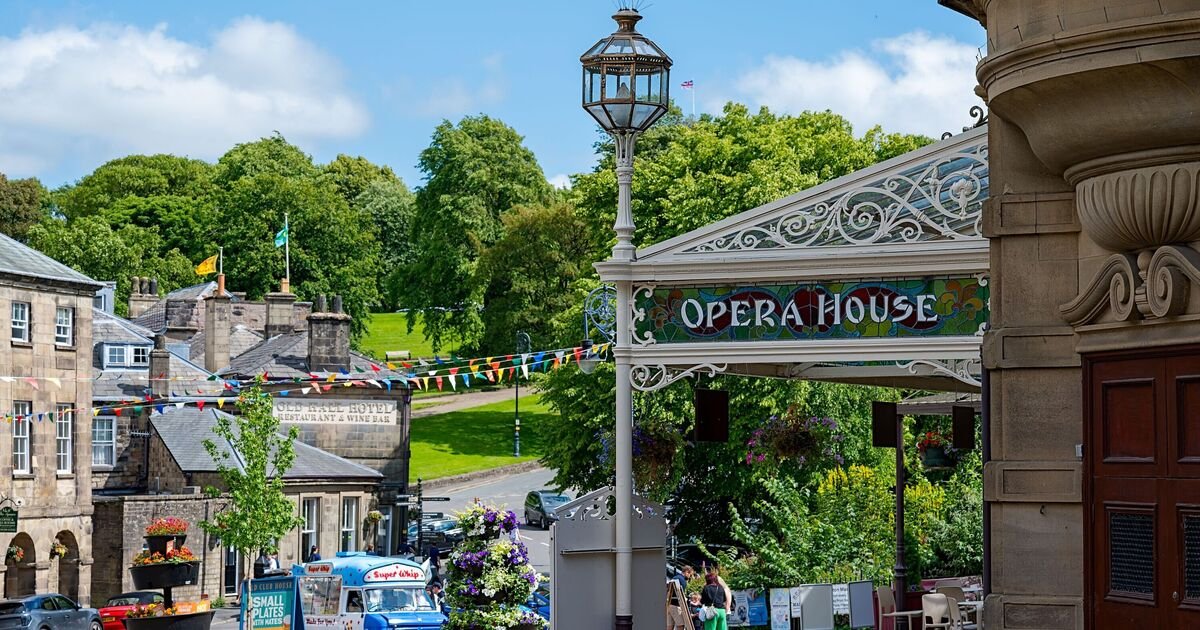
The spa town has a population of around 200,000, and was named one of the best places to live in the UK by the Sunday Times last year, citing its cultural prowess, including a geothermal spring well and historic buildings such as the Buxton Opera House and Grade-I listed Buxton Crescent.
Ms Smith pointed to a lack of a “thoughtful national plan” to curb illegal migration as the reason behind local unhappiness, however, which appears pervasive despite the town’s 250-mile distance from Dover, where small boat migrants land in the UK.
It has perhaps been exacerbated by fear around plans to move migrants into alternative housing, including industrial sites and disused accommodation, to cut hotel usage, with officials already facing backlash for converting military barracks into asylum seeker bases.
As of June, around 32,000 asylum seekers were being housed in hotels, down from over 56,000 in 2023, but 2,500 more than at the same point last year.
When questioned on whether Labour was doing enough to tackle the migrant crisis, the Prime Minister’s spokesperson said: “Since the election, we’ve returned over 35,000 people with no right to be here, up 13% on the same perod 12 months earlier, and asylum costs are down 15%, saving over half a billion ounds in hotel spending last year.
“We’ve doubled the number of asylum decisions, delivering over 31,000 initial decisions per quarter, and the number of people waiting for decisions is down by 24% from the peak of the previous government. There were 400 hotels in use at a cost of £9 million a day [under the Conservatives], now just under 200 remain in use.”
