


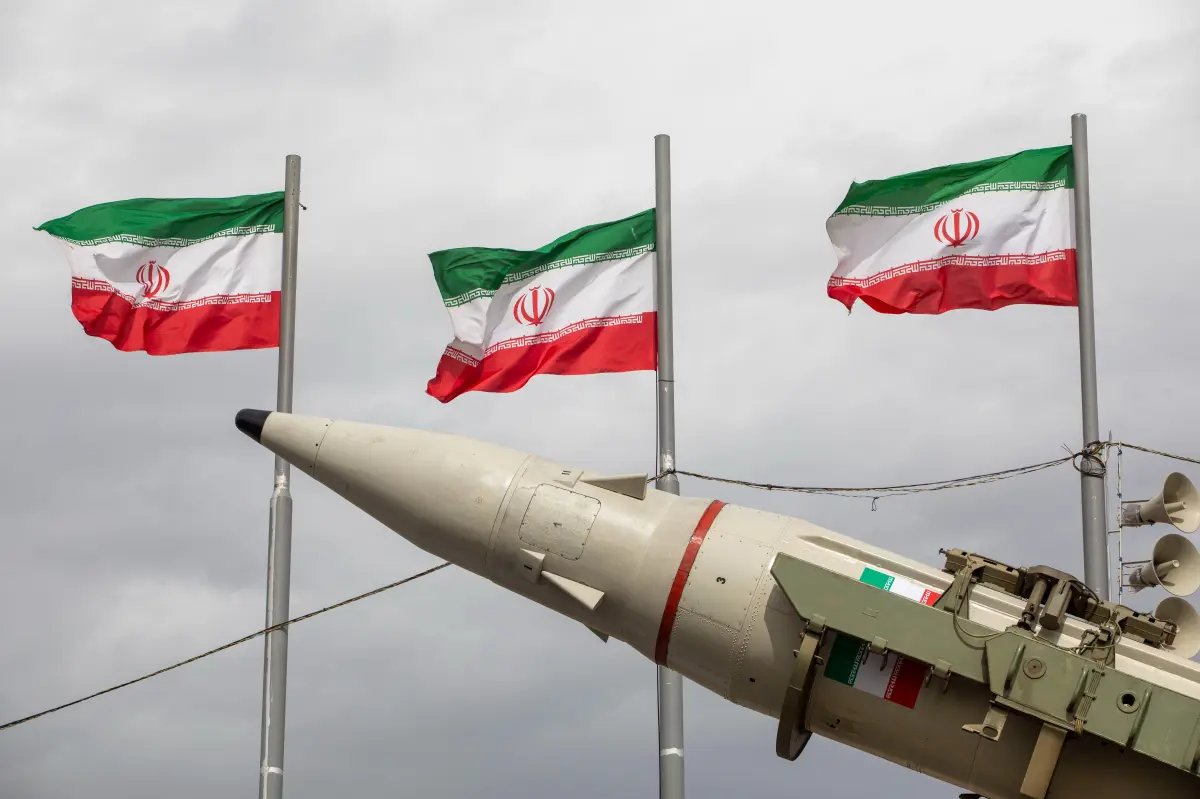

Iran may use proxies to carry out terror attacks in the wake of the punishing US and Israeli attacks on the Islamic Republic — but their capabilities have been greatly diminished over the past few years, security experts told The Post.
Lebanon-based Hezbollah is the prime candidate to carry out so-called “asymmetric” retaliatory attacks for Iran, but the group has been on the run since Israel unleashed attacks on its leaders after the Oct. 7th, 2023 Hamas attack on Israel.
In November, Israel took out Hezbollah’s acting chief of staff, Ali Tabtabai. In 2024, it killed longtime leader Hassan Nasrallah by bombing his headquarters. On February 21, Israel said it took out Hezbollah command centers. The Lebanese government said 10 people were killed.
“They’re greatly degraded,” said Joel Rayburn, a DC-based military expert at the Hudson Institute.
“Is Hezbollah really going to attack Israel again? It’s suicidal,” he continued.
Hezbollah condemned the strikes against Iran Saturday but stopped short of calling for attacks on Israel. “We’re certain that the American-Israeli enemy will be dealt a major blow, and reap nothing but failure from its criminal, tyrannical aggression,” it said.
Lebanon’s president, Joseph Aoun, said the Israelis delivered a message through the US ambassador, Michel Issa, saying Israel wouldn’t attack if it didn’t encounter hostilities from the Lebanese side.
Yemen-based Houthi forces, who announced Saturday they would resume attacks on Israel and shipping routes, are “too far away to do any damage,” Rayburn said.
In 2025, the President Trump ordered a series of attacks on Houthi forces. The two sides reached a deal in May.
Rayburn, a 26-year U.S. Army officer who served as a special US envoy for Syria, dismissed the threat of Iraqi Shia militias who might strike at US or allied forces as “not very capable.”
Iran was able to keep nine of its Arab neighbors on edge through missile launches that experts believe were pre-planned in the event of a US attack. Only five people were killed in the attacks.
Compounding the problem: It is harder for Iran’s leaders to try to serve up proxy attacks when its communications and leadership are getting hammered from the air.
“I don’t think we have to be too concerned, at least in the short term, about Iranian terrorism,’ said Reuel Marc Gerecht, a former CIA officer on the Iran desk now with the Foundation for Defense of Democracies.
“I think their capacity there has been substantially degraded over the years, because the quality of personnel who have gone into both the normal Intelligence Ministry and the [Islamic Revolutionary Guard Corps] aren’t terribly impressive,” he continued. “When you see them contracting criminals and novices overseas in assassination campaigns, that tells you a lot.”
“So I don’t think they have either an A or a B team to deploy Hezbollah, which once upon a time, people feared for its overseas reach,” he added.
In November 2024 Iran told one of its agents to assassinate President Trump, in an episode demonstrating both its malign intent and its ineptitude. Federal prosecutors said IRGC figure Farhad Shakeri tried to recruit a man from Brooklyn and another from Staten Island to murder a prominent Brooklyn journalist. He allegedly revealed details of the plans in a phone call with an FBI agent.