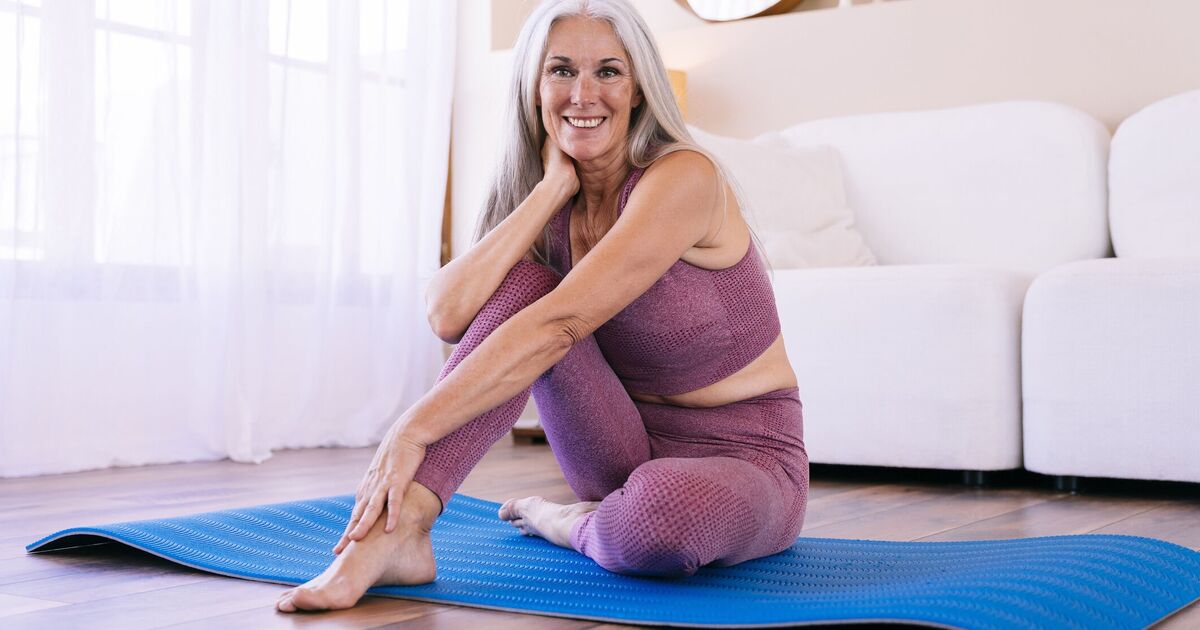

Getting older naturally means your body starts to lose strength, mobility and flexibility, but one physiotherapist is sharing four simple exercises that could keep you strong and independent in later life, even if you’re just beginning your fitness journey in middle age.
Fikri Fikriev from Physiotherapy Matters explained: “As we age, naturally the joints can become stiffer, and our muscles lose strength. The rate of muscle mass loss depends on age and lifestyle, but we gradually begin to lose muscle mass from around our 30s-40s.
“This process can pick up at 65-80 years old. The rates vary; however, it can reach as high as 8% muscle mass loss per decade. This can have an effect on your mobility and energy levels, hence why it’s essential to have a balanced routine that helps to preserve strength and flexibility as we age.”
The physiotherapist advised performing four straightforward exercises three to four times weekly, emphasising that “consistency is key”.
Working with Orchard Manor care home, part of Danforth Care Homes, the expert also proposed additional simple daily habits that can help maintain your body, such as boosting your protein consumption and choosing comfortable shoes wherever feasible.
Two leg bridge
This straightforward exercise begins on the ground. Lying flat on your back, draw your knees up so your feet are also flat on the floor and then push your hips upwards to form a bridge with your body.
There are numerous variations of this exercise – depending on your fitness level, you can incorporate weights, pauses, or even perform it on one leg whilst holding the other in the air as you thrust.
Fikri explained: “Bridge exercises and hip thrusts can improve back pain, as well as hip, hamstring, and glute strength. Additionally, bridge exercises can help strengthen the core and pelvic floor. This is very important, especially in women who struggle with bladder control, such as older adults, after pregnancy, or due to stress.”
Wall push-ups
If you’re unable to manage a standard push-up, this alternative makes an easier starting point by pushing yourself towards and away from a wall instead of the floor. As you become stronger, you can position yourself further from the wall or use different surfaces.
Fikri explained: “Push-up exercises are a great way to improve posture and upper body strength, such as in your back, chest, and your core. As well as this, they help to improve heart health, lose body weight and fat, and lower blood pressure and cholesterol. You can progress towards an incline push-up on a countertop or table, then to a higher difficulty with push-ups on the floor.”
Sit to Stand
These exercises involve transitioning from a seated to standing position. As you advance, you can begin to incorporate similar movements like squats and lunges, which are “important functional exercises” that strengthen muscles used in daily activities, thereby extending your independence.
Calf Raises
There are numerous ways to perform calf raises, but if you’re just starting out at home, you can simply use a counter or chair for balance. Then, move from standing flat-footed onto your tiptoes and back down.
Fikri explained: “Calf raises offer several benefits, including improved balance, increased ankle stability and mobility, and enhanced strength. They also improve lower limb blood circulation, which reduces sprains and helps prevent falls. Moreover, calf raises increase Achilles tendon resilience, which can reduce the risk of tendinopathy, negatively impacting walking and running.
“You can then progress towards single calf raises, and into jumping calf raises (plyometric). All can be done with or without additional weights.”
Fikri emphasised that for all these exercises: “Always consult your GP, physiotherapist, or personal trainer if you have chronic conditions, limited mobility, injuries or if you are unsure how to progress/regress your exercise routine.”
