


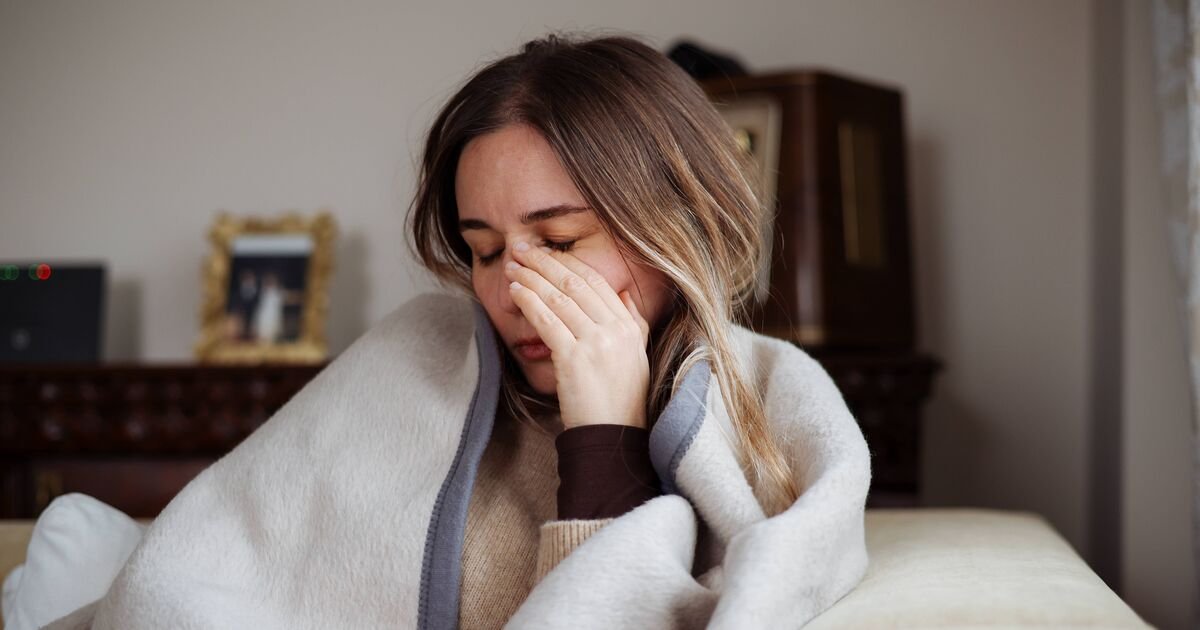

It’s not a nice experience to have this bug (Image: ozgurcankaya via Getty Images)
Following the NHS’s warning about a “second surge” of norovirus infections, a pharmacist has outlined how to distinguish it from other conditions. Last week, the NHS issued an alert regarding the second wave of cases after the vomiting bug hit its highest level of the winter season.
Releasing fresh data, the NHS revealed the average daily number of hospital patients with norovirus last week exceeded 1,000 for the first time this winter, reaching 1,012. Throughout January, the average daily number of norovirus patients in hospitals increased more than 2.5-fold from the beginning to the end of the month, climbing from 361 to 950.
Numbers plateaued during the first week of February, the NHS reported, before climbing again for the second consecutive week, raising concerns about a second wave. NHS physicians have called on the public to help stop the spread of norovirus to family members and work colleagues by implementing straightforward measures, including thorough hand hygiene and staying away from schools and workplaces until they have been free of symptoms for two days.
NHS national medical director, Dr Claire Fuller, said last week: “It’s vital that we do all we can to avoid a second surge in norovirus at a time when the NHS remains flat out coping with winter pressures. The public has a huge role to play in stopping the spread of this bug by taking some simple precautions like good hand hygiene with regular handwashing with soap and water.
“If you have symptoms, stay home, rest and drink fluids, and please don’t go to places like schools, workplaces, hospitals and care homes until you have been symptom-free for at least two days. If you have any concerns about norovirus symptoms, local pharmacies can provide support and advice and remedies, or please contact 111 or use 111 Online.”

It can hit hard (Image: Elena Perova via Getty Images)
Read more: Letter from HMRC ‘could catch many by surprise’ with £641 bill
Read more: ‘Support’ announced as UK battles outbreak of highly contagious disease
How to tell if it’s norovirus
Sheena Bagga, pharmacist independent prescriber at LloydsPharmacy Online Doctor, said: “The main symptoms of norovirus, such as diarrhoea and vomiting, are common to many illnesses, so it can be difficult to know whether you actually have norovirus. One key sign of norovirus is that the symptoms appear suddenly and typically include nausea, vomiting and diarrhoea.
“Other possible symptoms are a high temperature, headaches, stomach pain and general aches. Norovirus usually develops quickly, with symptoms peaking within 24 to 48 hours and most people start to feel better after a couple of days.
“The difficult thing about norovirus is that the symptoms can overlap with other illnesses. For example, appendicitis can present with vomiting, diarrhoea, and pain. However, a key difference is that with appendicitis, the pain usually starts around the belly button and then moves to the right side of the abdomen, whereas with norovirus, the discomfort is more general and spreads around the body.
“Another difference is that appendicitis pain tends to worsen steadily and is not relieved by passing stools or vomiting. Should any of these symptoms present, it’s important to seek urgent medical attention.
“Pancreatitis is another condition that shares similar symptoms with norovirus, but the key distinguishing feature is pain – it is typically much more severe and concentrated in the centre of your abdomen. Other warning signs, such as yellowing of the skin or eyes, persistent vomiting, or extreme tenderness in the stomach, should prompt urgent medical attention.
“Other clues that it may be norovirus rather than a more serious condition include the presence of multiple cases in your household or workplace, and a rapid onset of symptoms. Red flags that should never be ignored include severe abdominal pain, blood in vomit or stool, high fever, or confusion, which may indicate a different, more serious illness.”
When to call 999
Should you suspect you have norovirus, ring 111 if diarrhoea persists beyond seven days and vomiting continues for more than two days. Contact 999 or go to A&E immediately if you experience any of the following, as they may signal something far more serious:
- Vomiting blood
- Green vomit (adults) or yellow-green vomit (children)
- Suspicion you may have ingested something poisonous
- Stiff neck accompanied by pain when exposed to bright lights
- Sudden, severe headache
- Sudden, severe abdominal pain
- Severe difficulty breathing
- Display blue, grey, pale or blotchy skin on the lips or tongue. For individuals with darker skin tones, this may be apparent on the palms of the hands or the soles of the feet
Ensure our latest headlines always appear at the top of your Google Search by making us a Preferred Source. Click here to activate or add us as your Preferred Source in your Google search settings.