


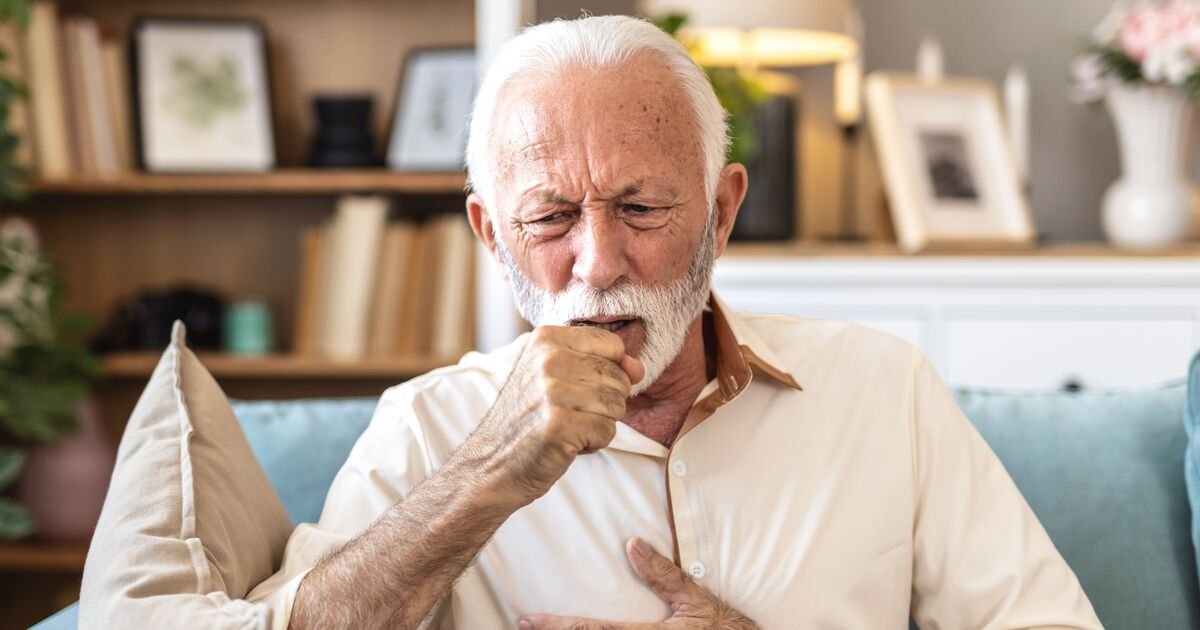
The NHS has advised what you should do if you come down with the flu. These four steps will help you “get better more quickly”.
Influenza, commonly referred to as flu, is a highly contagious viral illness that affects the nose, throat and lungs. Symptoms can include a sudden onset of fever, muscular aches, headaches, a persistent dry cough and profound fatigue, distinguishing it as considerably more serious than an ordinary cold.
The latest data released by NHS England has shown that the average count of patients occupying hospital beds across England with flu in the first week of January reached 2,924. This is a 9% increase compared to the week prior.
In an update, NHS England warned that Christmas and New Year gatherings may have caused a “bounce back” in winter viruses.
NHS national medical director Professor Meghana Pandit said: “It’s clear that the worst is far from over for the NHS this winter, with hospitals again experiencing a rise in patients admitted with flu and other respiratory virus cases last week.
“The cold weather also means we are also seeing more vulnerable patients with respiratory problems in A&E and more injuries from slips and falls due to the icy conditions, so it remains an extremely busy time.
“Staff continue to work incredibly hard and we are seeing teams across the country pulling out all the stops to ensure patients get the care they need.
Find out about the symptoms you need to watch out for and get health advice with our free health newsletter from the Daily Express
“It remains important that people come forward for care as usual and there are still plenty of opportunities to get vaccinated and get protected against flu.”
Symptoms
According to the NHS, flu symptoms come on very quickly and can include:
- A sudden high temperature
- An aching body
- Feeling tired or exhausted
- A dry cough
- A sore throat
- A headache
- Difficulty sleeping
- Loss of appetite
- Diarrhoea or tummy pain
- Feeling sick and being sick
The symptoms are similar for children, but they can also get pain in their ear and appear less active.
What to do if you have flu
The NHS said: “If you have flu, there are some things you can do to help get better more quickly.” It’s key four recommendations were:
- Rest and sleep
- Keep warm
- Take paracetamol or ibuprofen to lower your temperature and treat aches and pains
- Drink plenty of water to avoid dehydration (your urine should be light yellow or clear)
You can also consult with a pharmacist about the best treatments available.
When to seek help
In most cases, flu will usually get better on its own. However, you should call 111 or book an urgent GP appointment if:
- You’re worried about your baby’s or child’s symptoms
- You’re 65 or over
- You’re pregnant
- You have a long-term medical condition – for example, diabetes or a condition that affects your heart, lungs, kidneys, brain or nerves
- You have a weakened immune system – for example, because of chemotherapy or HIV
- Your symptoms do not improve after seven days
The NHS says you should call 999 or go to A&E if you:
- Get sudden chest pain
- Have difficulty breathing
- Start coughing up a lot of blood
It added: “Do not drive to A&E. Ask someone to drive you or call 999 and ask for an ambulance.”