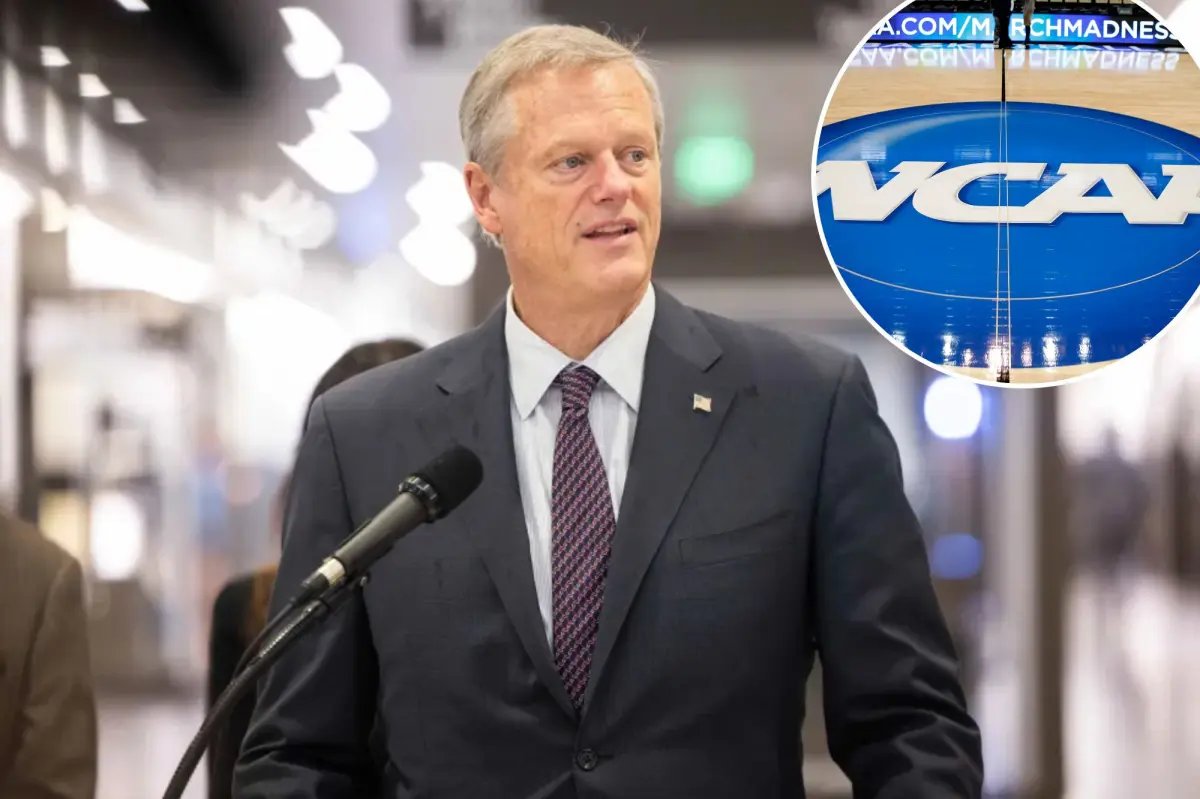

The NCAA is moving forward with a major eligibility change.
The governing body’s Division I cabinet unanimously approved a five-year, age-based eligibility model on Tuesday afternoon, months after calls for the new rule first began in April.
Under the new model, college athletes will receive five years of eligibility beginning either in the year they enroll or the year they turn 19.

The change gives colleges and their athletes a clear eligibility model to limit lawsuits for extra years, and the model will also eliminate the need for redshirts and waivers.
There are only a few ways eligibility could be extended, such as for religious missions, maternity leave or active-duty military service.
The changes will not apply to players joining college sports before the 2025-26 season. Incoming freshmen can opt into the new model or continue to play under the old rules. All players entering college athletics for the 2027-28 season will adopt the 5-for-5 model.
The NCAA also announced that if players have merit for a waiver, their requests must be submitted before July 31.
“While previous NCAA rules have served college sports well for a long time, we heard also loud and clear from NCAA members and student-athletes that eligibility rules should be easier to understand,” NCAA president Charlie Baker said. “This change to an age-based model eliminates aspects of the rules that have proven difficult to administer in the current litigious environment and clearly defines the exceptions available in limited circumstances, while preserving the long-intended alignment of eligibility with typical college enrollment and graduation patterns, because 98 percent of the 550,000 NCAA student-athletes will go pro in something other than sports.”

This new rule is designed in part to give the NCAA a clearer eligibility framework and reduce the kind of lawsuits it has faced from athletes challenging how their eligibility clocks are counted, including Diego Pavia and Trinidad Chambliss, who have argued that time spent at junior college should not count against their NCAA eligibility.
The rule also could have a major impact on international athletes, particularly European players entering college later than American recruits. Because the eligibility clock would now start when an athlete enrolls or turns 19, it would limit the possibility of older international players remaining in college deep into their 20s.
The change does not prevent athletes from filing antitrust lawsuits against the NCAA, and it still could face legal challenges of its own.
