


Instead of taxing the rich, Mayor Zohran Mamdani might want to fill NYC’s projected $5.4 billion budget gap by simply collecting unpaid taxes and fines from deadbeats.
As of June 30, the city was sitting on an unprecedented $5.35 billion in uncollected property taxes dating back a decade — a startling figure buried in a 535-page report released in October by then-Comptroller and fellow socialist Brad Lander.
That’s almost the exact amount Mamdani claims he needs to fill the massive budget hole while he continues threatening to slam Gotham with a nearly 10% property tax hike — unless Gov. Kathy Hochul and Albany pols cave to his “tax the rich” scheme.

The city has also been unable to collect another $1.3 billion in Environmental Control Board fines usually issued for construction, zoning, and safety code violations.
About $744 million of the ECB fines are “uncollectable,” according to the Department of Finance, which plans to cancel the scofflaw’s licenses and take other steps to collect the remaining $573 million due.
In all, the uncollected taxes and fines total an astounding $6.7 billion.
The jaw-dropping property-tax debt includes $707,476,309 racked up in fiscal 2025 alone, as nearly 13% of all properties in NYC are delinquent in tax payments.
The city recently sent out a shocking 141,357 notices to property owners behind on their taxes – or 12.7% of the city’s 1,114,669 individual property tax lots, the city’s Finance Department confirmed.
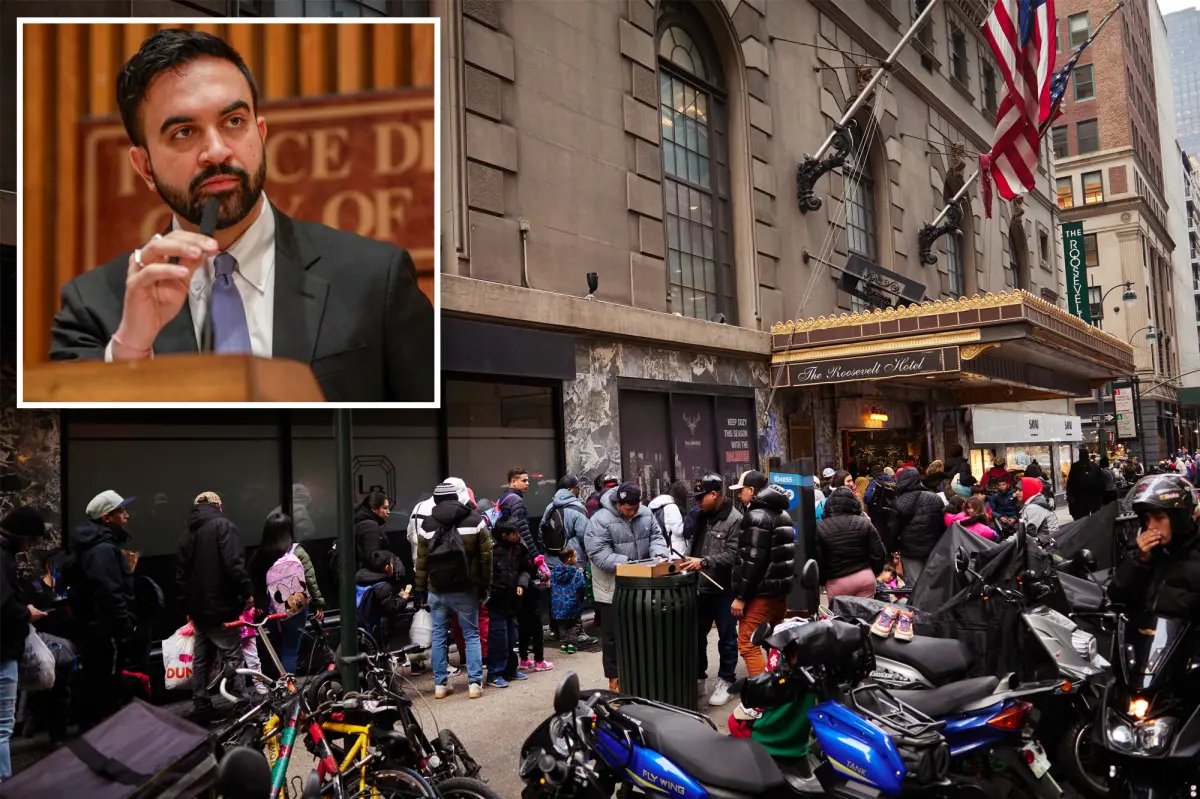
The biggest delinquents include the historic Roosevelt Hotel in Midtown, owned by the government of Pakistan.
The South Asia nation owes $13.6 million to New York City in back taxes – despite previously pocketing $146.6 million from taxpayers to use the site as a city-run migrant intake center and shelter for two years.
“This is nearly three times the national average in property tax delinquencies, and the mayor wants to raise property taxes?” scoffed New York Apartment Association CEO Kenny Burgos.

“Those two facts cannot coexist in a serious affordability agenda. The people falling behind in the city aren’t luxury developers, who get huge property tax breaks. It’s building owners providing the most affordable rent in the city, who they’re already drowning from overtaxation.”
“Unpaid and uncollectable delinquent taxes are a major problem,” chimed in Steven Fulop, president and CEO of the business advocacy group Partnership for New York City.
“Rising tax burdens and costs are making it harder for property owners to keep up, while inconsistent enforcement allows debts to accumulate. The priority should be tightening enforcement and restoring discipline to the system. New technologies—including AI—can play an impactful role here.”
Council Speaker Julie Menin, who has been sparring politically with Mamdani over how to fill the budget deficit, said his administration should finally start taking advantage of a newly enacted law the Council approved that streamlines and simplifies how property tax debt is collected.
“Our Council overhauled the tax lien sale to create a fairer system that still delivers revenue and holds bad actors accountable,” she said.
“With billions outstanding, there’s no excuse for leaving that money on the table. The city should get the new program up and running to collect what’s owed.”
Mamdani’s spokesperson Dora Pekec said “it is disingenuous for the Speaker to say that we should rush a tax lien sale.”
“Mayor Mamdani announced a pause of the sale for six months to do a top-to-bottom review of the tax lien sale,” she said. “The goal of the review is to improve collections and reduce displacement of working -class homeowners across the five boroughs.”