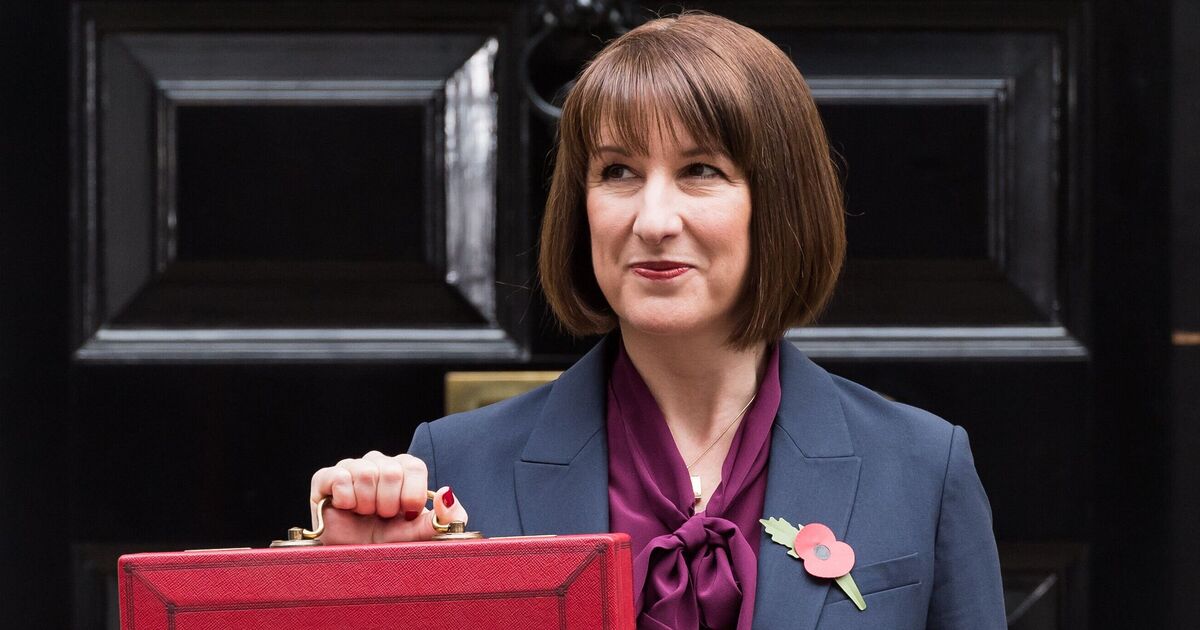

Lower paid women will be worst hit by Rachel Reeves’ National Insurance tax grab, economists have said.
The Chancellor raised National Insurance contributions for employers from 13.8 percent to 15 percent, and also reduced the threshold at which businesses start to pay it, meaning any employee earning more than £5,000 will require contributions from their employer.
Labour has boasted about keeping its promise to not raise taxes for working people, saying it has successfully shielded them from a rise in income tax and national insurance.
However, experts say the tax on jobs will simply lead to lower wages.
In fact, the Office for Budget Responsibility (OBR) said 80 percent of the National Insurance hike will be absorbed by workers through lost wage increases and lower income.
Now the Institute for Fiscal Studies has predicted women will be harder hit than men.
A spokesperson said: “In proportional terms, the employer NICs reforms do have a bigger impact on those on low earnings than those on middle or high earnings.
“Women are more likely to be low earners, so it is likely to hit women more than men in that regard.”
With the threshold at which an employer starts paying National Insurance falling from £9,100 to £5,000 per employee, it will make it more expensive to hire a lower paid worker than a higher paid worker, in percentage terms.
The changes will increase the cost of employing a lower-paid worker by 5.4 percent, compared to 2.5 percent for a worker on an average income, according to IFS analysis.
About six in 10 low paid jobs (59.5 percent) are held by women according to the Living Wage Foundation.
The biggest gender pay gap emerges between men and women aged 40 and over, according to the Office for National Statistics.
Helen Miller, deputy director of the IFS said: “The way they’ve done the employer National Insurance Contributions increase, it’s more on low and middle income people than you would have got from other direct tax increases like income tax.”
Minimum wage has also been increased by 6.7 percent to £12.21 an hour from April, while 18-20-year-olds will see a 16 percent increase to £10 an hour as it begins to close the gap between those aged under and over 21-years-old.
Ms Miller added: “There is a danger that if you put up minimum wages, employment regulations, employment taxes, you make employment a less attractive proposition for both sides of the markets.”
