


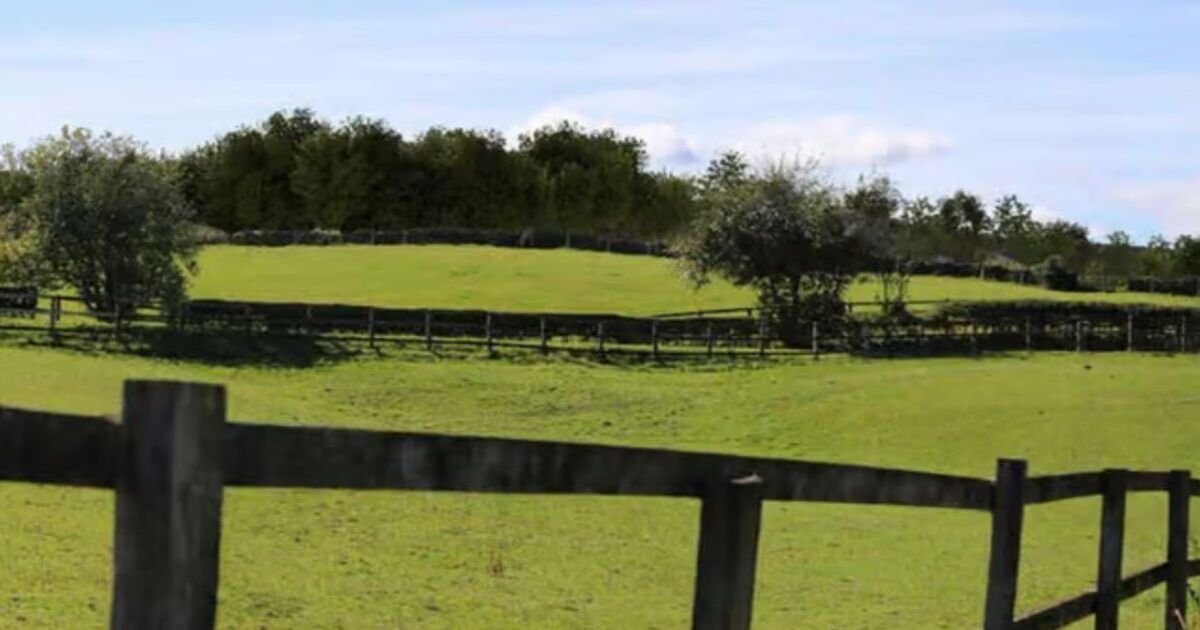
A Labour councillor delivered a bizarre response to concerns over the fire risk posed by a battery storage system near a substation. Recently approved plans to build the facility on Green Belt land in Yorkshire have drawn fierce backlash due to health and safety concerns. The planning application, submitted by Net Zero Twenty Three Limited, received nearly 600 objections, with some warning of evacuations and toxic fumes if the batteries caught fire.
Objectors pointed to a fire at a battery storage site in Liverpool in 2020. In repsonse, planning committee chair and Labour councillor Shabir Hussain dismissed these fears, comparing the threat to that of a house or car fire. Mr Hussain said the council had received assurances about the risk of a fire. He added: “I’ve heard concerns about fires, but you can have a fire in your house, a fire in your car.”
The 100MW system is to be constructed off Field Lane in Wilsden as part of the UK’s shift towards net zero and cheaper energy bills.
The bulk of the site will be occupied by units resembling shipping containers that store electricity generated by solar panels and wind turbines.
West Yorkshire Fire and Rescue Service was consulted and raised concerns over access to the site in the event of a fire, but ultimately did not object to the plans.
Though the five-hectare development is technically listed as temporary, it would still be taking up the land for 40 years. Bradford Council approved the plans on Thusday following 570 objections but 595 letters in support.
One of these objectors was Bingley Rural Conservative councillor Geoff Winnard, who deemed the site unsuitable.
He said: “I’m amazed 595 representations have been made in favour of the site – I haven’t come across any of them. If we approve this are we saying that any Green Belt around Bingley is up for grabs?”
Net Zero Twenty Three Limited said the location was ideal due to its proximity to the Bradford West Substation, despite it being on Green Belt land.
However, under new Government planning rules, it could be re-defined as Grey Belt, making it suitable for development.
Amin Ibrar, area planning manager, who told members of the committee that, regardless of the land’s designation, the development was “acceptable”.
He said: “Even if it wasn’t grey belt, the benefits of this scheme would mean the development would be acceptable.”