


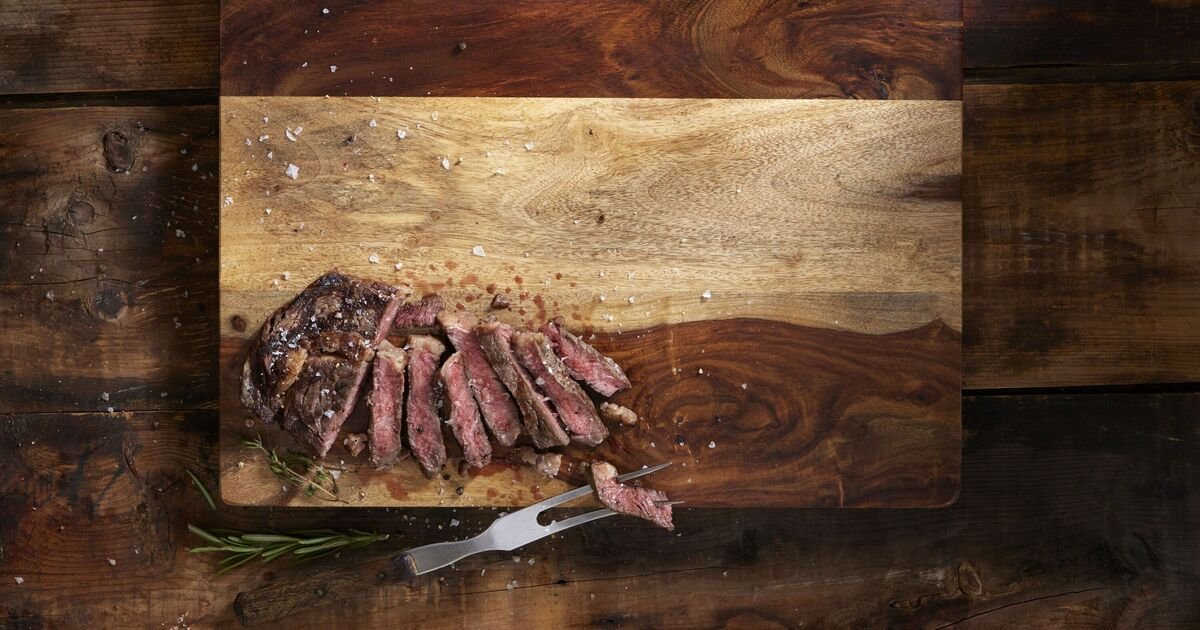
Wooden chopping boards can be an excellent addition to your kitchen, but they’re not always easy to maintain. Many home cooks will dismiss plastic chopping boards because, over time, the surface can wear down and cause tiny pieces of plastic to flake off, which can end up in your food.
Plastic ones also don’t last as long, as they’re prone to getting deep gouges from knife cuts, and you run the risk of accidentally melting them if you put a hot pan or dish on top of one. What’s more, plastic chopping boards can even snap in half, particularly if you use incredibly flimsy ones.
For these reasons, many home cooks opt for wooden chopping boards instead. However, these boards have their own pros and cons – one significant con being that they cannot be simply thrown in the dishwasher.
Plastic chopping boards are easy to clean by chucking them in with the rest of your dirty dishes, but wood can be susceptible to mould if exposed to too much water, as the liquid can get trapped inside the board.
But there is a way to clean your wooden chopping board without the risk of mould growth. All you need is two items you may already have in your kitchen, as they’re common cooking ingredients.
In a video shared on Instagram by Chef Zealand, he demonstrated how he deep cleans and maintains the wooden chopping board that he uses almost daily for his recipes.
To start, Zealand “generously seasoned” his cutting board with a good pinch of salt, which he sprinkled all over the surface. The salt acts as an abrasive that picks up and removes any stuck-on grime, but it also has disinfectant properties that can sanitise the wood and help remove stains.
Next, Zealand took half a lemon and squeezed the juice directly onto the salt. He then used the other half of the lemon to scrub the salt and juice into the chopping board. Lemon juice helps to deodorise bad smells in the board, as well as lift stains.
The chef said: “I like to do this for a couple of minutes, or until I feel satisfied. Then we’re going to give this a rinse off with some warm and soapy water.”
The chopping board is technically clean at this point, but to keep his boards looking brand new, Zealand likes to oil the surface. He recommends using a food-grade mineral oil rather than a cooking oil like olive or vegetable oil, as these can become “rancid” and can “completely ruin” your board.
Once the board has been covered with oil, Zealand stands it up on its side and leaves it overnight to allow the oil to seep into the wood and fully dry before he uses it for any cooking tasks.
How to clean a wooden chopping board
Daily cleaning:
- Scrape off debris: Use a bench scraper or spatula to remove food bits.
- Wash: Scrub the board with hot water and a small amount of mild dish soap using a sponge or brush.
- Rinse: Rinse thoroughly with hot water.
- Dry: Wipe with a clean towel and stand the board upright or on its edge to allow it to air dry completely.
Deeper cleaning (weekly or after cutting raw meat):
- Disinfect: Sprinkle coarse salt or baking soda over the surface of the board. Scrub with half a lemon, squeezing gently to release juice as you go. This helps remove stains and odours.
- Rinse and dry: Rinse with hot water and dry thoroughly.
Extra tips:
- Never soak a wooden board in water or put it in the dishwasher, as this can cause warping or cracking.
- To remove odours, rub the board with baking soda and rinse.
- To maintain, periodically rub food-grade mineral oil or a special cutting board oil into the wood to prevent drying and cracking.