


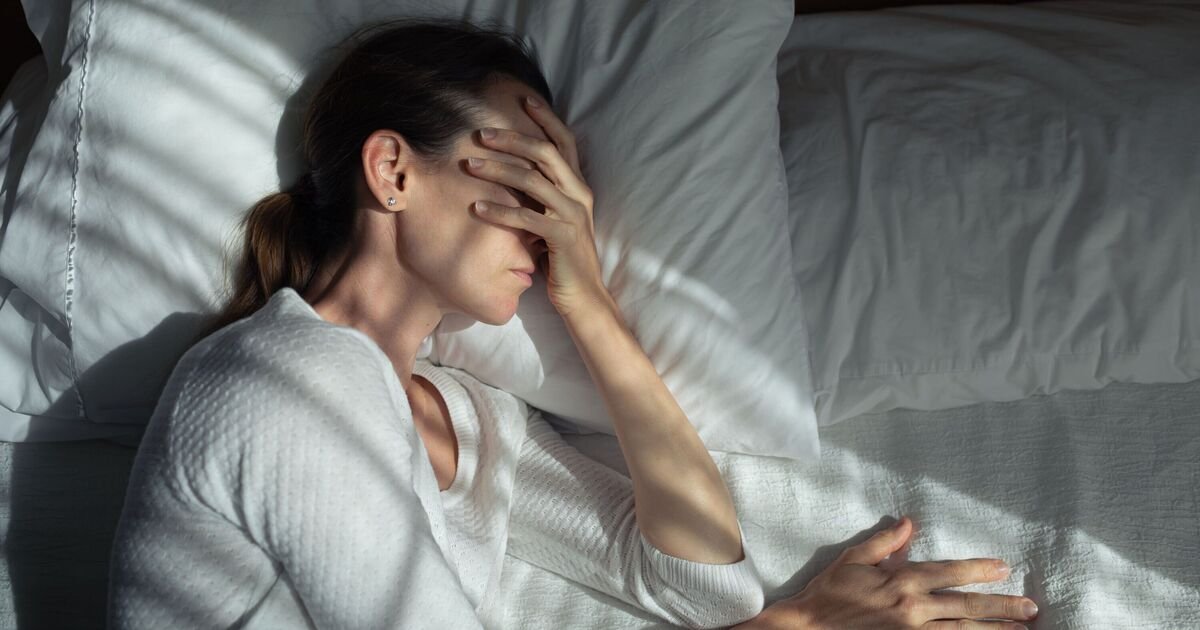
A doctor has explained there’s one common mistake many people are making preventing them from falling asleep easily this winter. As the temperatures plummet, more and more of us are struggling to get enough sleep, but the NHS is clear – “the mental health benefits of good sleep include boosting our mood, reducing stress and helping with anxiety”. Getting more sleep is a positive goal many hope to implement throughout the new year, with guidance issued by the health service stating “everyone needs different amounts of sleep”, with on average, adults needing seven to nine hours of sleep each night.
Social media is rife with tips and tricks to try and help people get more shut-eye, with mental strategies and breathing techniques often recommended and praised by experts and novices alike. Doctor and lecturer in Biomedical Science at the University of Salford, Dr Gareth Nye, has been working with nightwear brand Pretty You London on winter sleep and the common mistake many of us are making each night which could be stopping us from nodding off.
This error is simple: overheating the bedroom. Though cranking the heating up makes sense given the palpable chill of the winter weather, it can be counterproductive in the bedroom.
Dr Nye explained: “Part of the sleep process is a drop in the core body temperature. Colder room temperatures tend to favour better sleep, but sudden drops in temperature can disrupt sleep through shivering and discomfort.”
When temperatures are low, many people try to stay warm by turning the heating up high and leaving it on through the night. According to Dr Nye, this often backfires.
He continued: “When bedrooms are overheated, the body struggles to cool down properly. This can interfere with the natural drop in core temperature that signals the brain it is time to sleep.”
A room that feels cosy at bedtime can lead to restless sleep later because the body has to work harder to regulate its temperature. The result is waking up feeling hot, clammy or unsettled in the early hours.
Of course, this doesn’t mean you should go to bed shivering or feeling cold. Phoebe Street, brand marketing manager and sleep expert at Pretty You London, said keeping the bedroom cooler while warming the bed itself is key.
Phoebe explained: “Bedrooms feel most comfortable for sleep when they’re on the cooler side, usually around 16 to 18 degrees. Warming the bed itself works better than heating the whole room all night.
“A hot water bottle under the duvet for a short time helps take the edge off the cold. Wearing long, breathable pyjamas also keeps you comfortable without overheating, and lighter layers of bedding give you more control through the night.”
Hands and feet also play a bigger role than many people realise. Dr Nye shared: “When your feet warm up, the blood vessels widen. This helps your body release heat and allows your core temperature to drop, which is the signal it uses to begin sleep.”
He referenced research from 2018 which demonstrated how people who wore socks to bed fell asleep about seven minutes faster, slept longer, and woke less often than those who did not.
The doctor added: “The mechanism is simple; warm feet support vasodilation and help the body settle. Loose socks made from natural fibres work best. Anything tight reduces circulation, which has the opposite effect.”