


It’s a midnight screening you won’t want to miss.
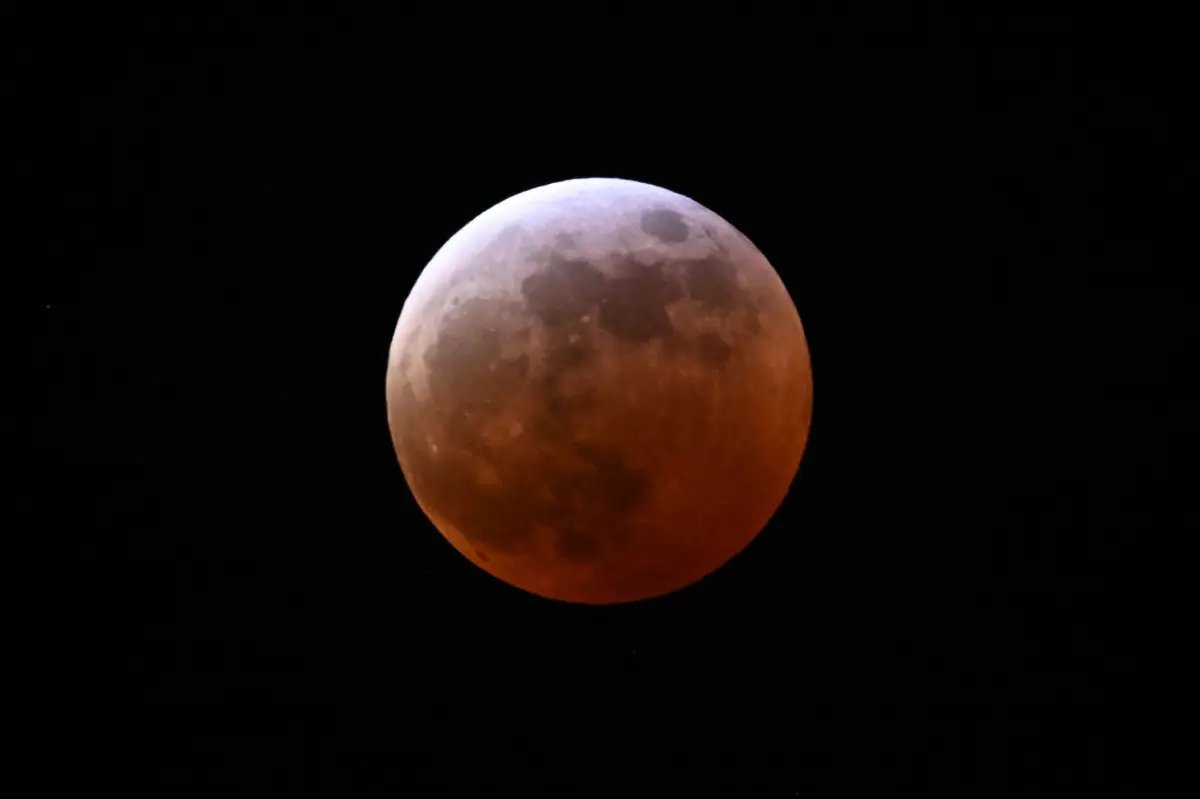
A rare total lunar eclipse is set to occur just after midnight, starting at 12:37 a.m. on March 3, and if the skies are clear, the eclipse should be visible to the unaided eye from anywhere in California.

During the total lunar eclipse, which occurs when the Earth sits between the moon and the Sun, the moon will be sitting in the Earth’s shadow, according to NASA.
As a result, the moon will take on an orange or red tinge as the sunlight that shines upon it is refracted through our planet’s atmosphere, like seeing our rocky satellite through celestial rose-tinted glasses.
Where to view Tuesday’s blood moon throughout California
Bay Area: Higher elevation parks like Tilden Park’s Inspiration Point or inland ridges rather than low-lying urban streets.
North Coast: Interior coastal hills like Jug Handle State Reserve or Mendocino Headlands see dark skies with less urban glow.
Big Sur: Beaches and state parks like Pfeiffer Big Sur can offer excellent night skies away from urban lights — just watch for seasonal marine fog.
Southern California: While the gateway to the cosmos is technically closed while the eclipse is underway, Griffith Observatory will offer a live online presentation of the astronomical event with coverage from 12:37 a.m. until 6:25 a.m. PST. The Observatory plans to stream the eclipse live online, weather permitting and will not be conducting onsite public viewing.

NASA described the celestial event “as if all of the world’s sunrises and sunsets are projected onto the Moon.”
This particular totality will be visible to billions of people along the path of the eclipse. According to NASA, it can be viewed in the evening from eastern Asia and Australia, all in the Pacific, and in wee hours of the morning in North and Central America, as well as far west South America.
For optimal results, experts suggest grabbing a camera and/or binoculars and positioning oneself up “in a high vantage spot away from city lights.”
However, unlike a solar eclipse, which needs to be viewed with special eyewear, its lunar counterpart can be gazed upon with the naked eye.