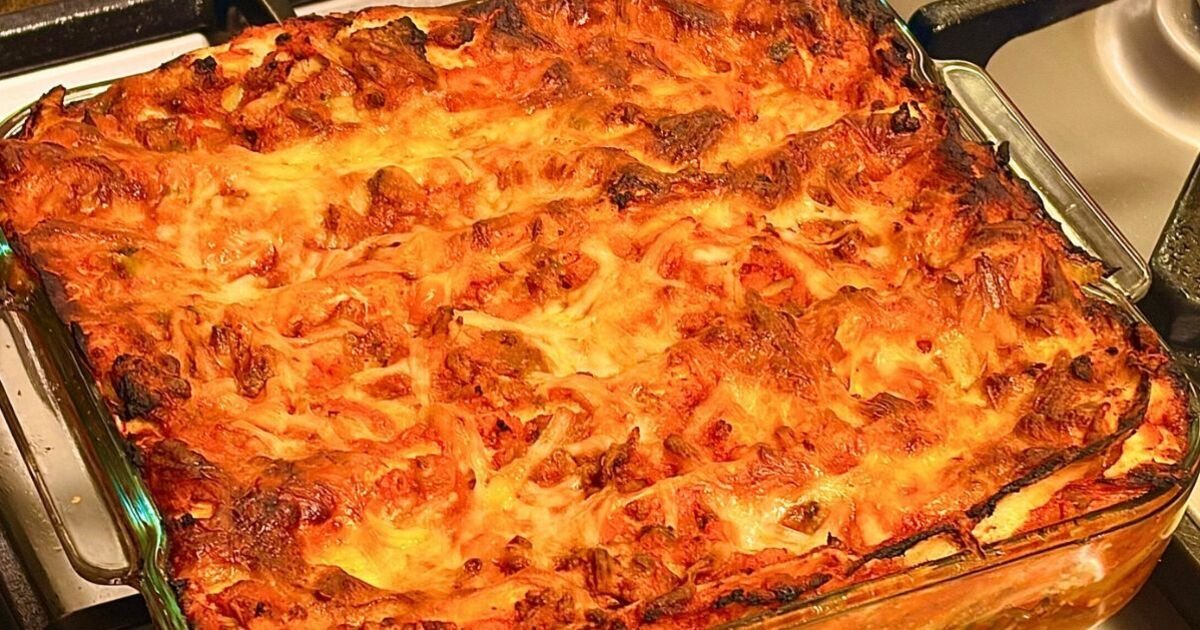


I make lasagne tastier with one simple ingredient when layering that my Italian dad loves (Image: Angela Patrone)
Coming from an Italian family, pasta is something we cooked and ate a lot of growing up, whether it was a soup-based dish that had vegetables like beans, lentils and chickpeas or something more hearty like pasta bake, spinach ravioli or lasagne. Out of those, his lasagne recipe was always one that stood out for me because of one ingredient my dad, who was previously a chef, would always add between the pasta layers.
My dad was born and grew up in southern Italy, about an hour from Naples, and there’s one thing in that region that’s traditionally added to a lasagna. I remember when I was younger seeing small chopped-up pieces of hard-boiled eggs in the middle of the lasagna my dad made. It was a surprise, and I never quite knew why it was there, but it tasted good nonetheless. While it may seem odd, adding eggs between the layers of pasta and sauce gives the dish a wonderful texture and flavour.

Lasagne tastes better with pieces of hard-boiled eggs (Image: Angela Patrone)
Why add hard-boiled eggs to lasagne?
Whether minced, sliced or crumbled, hard-boiled egg pieces are spread generously and evenly between the pasta sheets, so you get egg in each bite. The egg soaks up the juices from the sauce and adds a rich, savoury flavour and velvety texture that helps hold the structure together without the need for the heavy bechamel sauce.
The firm yet tender texture of the boiled eggs helps to build thicker layers, perfect if you use a deep pasta dish or want your lasagna to have more pronounced tiers. Even if you’re not a lover of eggs, once you try hard-boiled eggs in your lasagna, you’ll agree.
How to cook hard-boiled eggs for the lasagne
No matter how you incorporate hard-boiled eggs into your lasagna, boiling them in salted water is crucial. The egg whites firm up faster in salty, hot water compared to unsalted, which can be a real help if the egg happens to crack while boiling. The eggs will need about 10 minutes to cook for the perfect hard-boiled result.
Once the time is up, transfer the boiled eggs to a bowl of ice-cold water for at least five to 10 minutes right after cooking. This will make peeling much easier and help maintain the eggs’ oval shape.
Ensure our latest recipe headlines always appear at the top of your Google Search by making us a Preferred Source. Click here to activate or add us as Preferred Source in your Google search settings

The eggs will need about 10 minutes to cook for the perfect hard-boiled result (Image: Angela Patrone)

Leaving out the bechamel sauce allows the bolognese sauce to shine (Image: Angela Patrone)

It’s important to add the cheese evenly throughout (Image: Angela Patrone)

You need to wait about 10 to 15 minutes before tucking in to give the layers time to settle (Image: Angela Patrone)
What else to add to a lasagne
While most lasagne recipes include béchamel sauce, my family prefers leaving that out, as it makes the dish far less heavy and allows the bolognese sauce to shine. Instead of the usual creamy layer, this lasagna without bechamel focuses on essentials: layers of tender fresh egg pasta, a slow-cooked bolognese sauce that’s rich and savoury, and mozzarella cheese.
While my dad tends to use scamorza cheese in lasagne, which is just an aged, dried and slightly more flavourful version of mozzarella, I only had grated mozzarella this time around to hand. However, this also works well. It’s important to add the cheese evenly throughout for the perfect bite.
When it comes to the pasta you can use, a lot of people say that it’s best to use dried lasagne sheets, as they’re better at soaking up the sauce. However, I feel that this compromises the taste. Fresh sheets always make the dish tastier, plus they cook more quickly.
Once the lasagna has been assembled and cooked in the oven, just like with meat, it’s important to leave it to rest. You need to wait about 10 to 15 minutes before tucking in to give the layers time to settle, so you get clean, beautiful pieces instead of a cheesy landslide.
