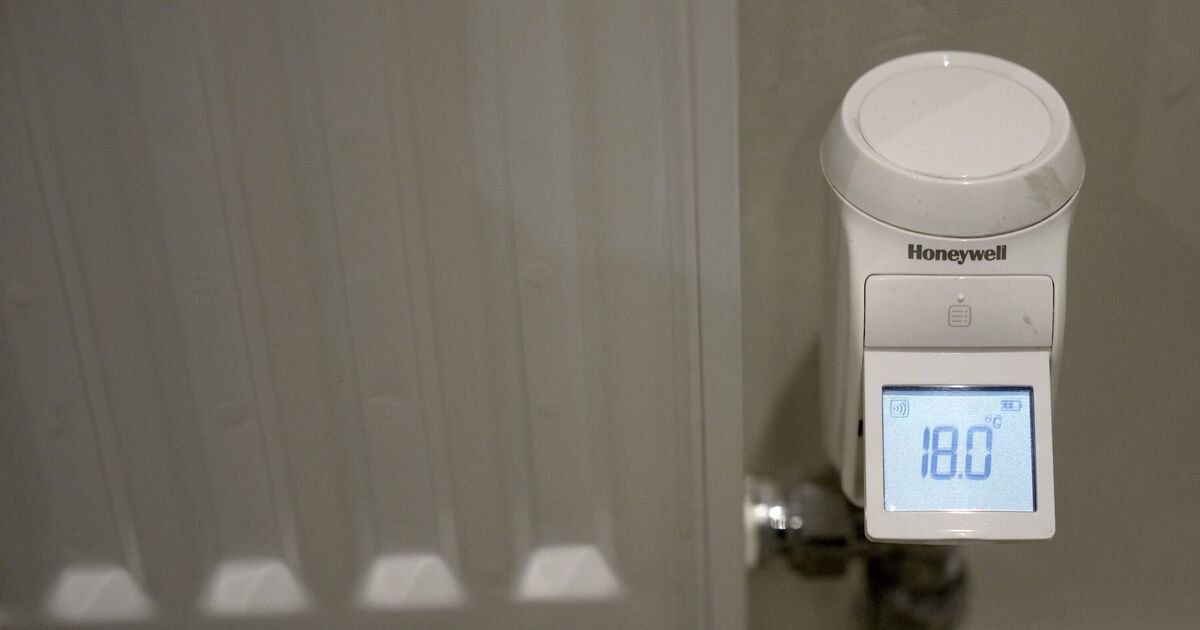

With October drawing to a close, many households will be switching their heating back on as the weather gets colder. It can be tempting to use the heating less or set it to a lower temperature to save on energy bills. However, keeping your home at the right temperature is about more than just staying comfortable, as a cold house is more susceptible to condensation and mould.
A cold home can also affect vulnerable people, such as the elderly and children. Luckily, experts have shared guidance on the thermostat temperature you should set.
The Energy Saving Trust recommends heating your home to the lowest comfortable temperature, which, for most people, is between 18°C and 20°C.
The indoor temperature will vary by room, depending on what it’s used for and how much time you spend in it.
However, as a rough guide, British Gas said a living room should be between 20°C and 22°C, while a hallway, landing, or storage area can be kept between 15°C and 18 °C.
For adult bedrooms, aim for 16°C to 18°C; for babies, aim for 16°C to 20°C.
British Gas said newborn babies aren’t very good at regulating their temperature, so it’s important that they don’t get too hot or too cold.
As well as keeping an eye on the thermostat, retain heat by closing the curtains and preventing drafts.
For the elderly, Age UK recommends heating the main living areas to a steady, comfortable temperature, usually around 18°C.
This should be comfortable for areas like the living room and bedroom. They added that turning down the radiators in unused rooms can reduce costs.
If energy bills are a concern this year, British Gas also shared several ways to heat your home more economically.
This included sealing drafts around doors, windows, keyholes, and letter boxes to help prevent heat from escaping.
You can also improve insulation in walls, lofts, and floors to help keep warmth where it’s needed, and keeping your boiler and heating system well-maintained is important.
