


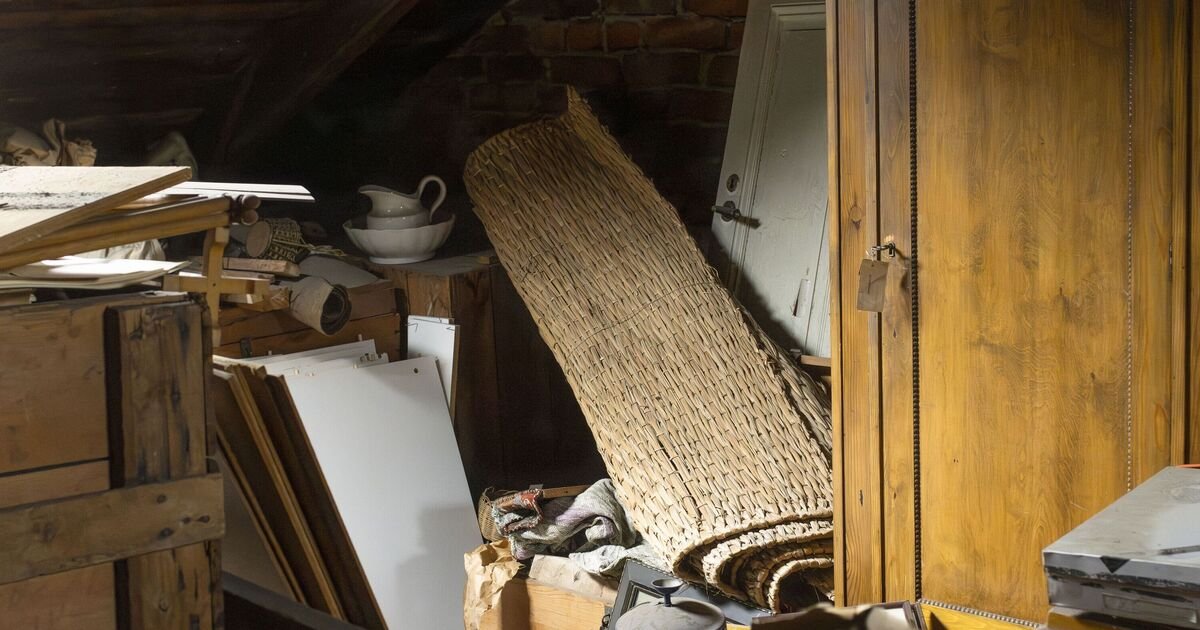
Homeowners are being urged to check their lofts for signs of a certain attic-dweller this month, as the species begin searching for warm, sheltered spots to hibernate over winter. Bat surveyors at Arbtech warned that as temperatures drop and food sources decline, bats will seek out safe winter roosts, and many homes provide ideal conditions. However, the public is being reminded not to attempt to remove or disturb them, as both bats and their roosts are protected under law.
Interfering with them can result in prosecution under UK wildlife legislation. October marked a key transition period for bats, as most species leave their summer roosts to find cooler, more stable hibernation sites that will stay damp and undisturbed through the winter months.
Lofts, cellars, and cavity walls can all mimic these ideal conditions, making residential properties a frequent target for bats to roost.
Older homes are particularly attractive to bats, as gaps in roof tiles, lifted slates, open eaves, fascias and soffit boxes offer perfect access points and roosting spots. And once bats find a suitable roost, they tend to return year after year.
Common indicators of bats in your property include faint squeaking sounds (especially early in the morning or late at night), oily smudge marks around gaps in walls, and droppings (often resembling mouse droppings).
There may also be pungent odours (similar to ammonia), scratch marks (especially around gaps in walls and on beams and rafters), and bats outside your home during dawn and dusk.
If you suspect bats have moved into your home, do not block entry points or attempt removal yourself. Instead, contact a licensed ecologist or a bat conservation group for advice on how to proceed safely – and lawfully.
A bat ecologist at Arbtech said: “As the colder weeks creep in, bats will be actively searching for a place to safely hibernate, and many lofts, attics and even cellars provide the perfect environment for roosting.
“While it might feel seasonally appropriate to have bats around your home at Halloween, they can leave a mess in the form of droppings, oily streaks and scratches on walls.
“And because bats are quiet creatures, many homeowners don’t even realise they’re there. There are key signs to look out for but if you suspect bat activity, it’s crucial not to interfere.
“Bats are legally protected, so it’s important that you don’t disturb them. You should contact an ecologist or your local bat group for advice. If you’re planning property works, you may need a bat survey to check for active roosts and ensure you remain compliant with wildlife law.”