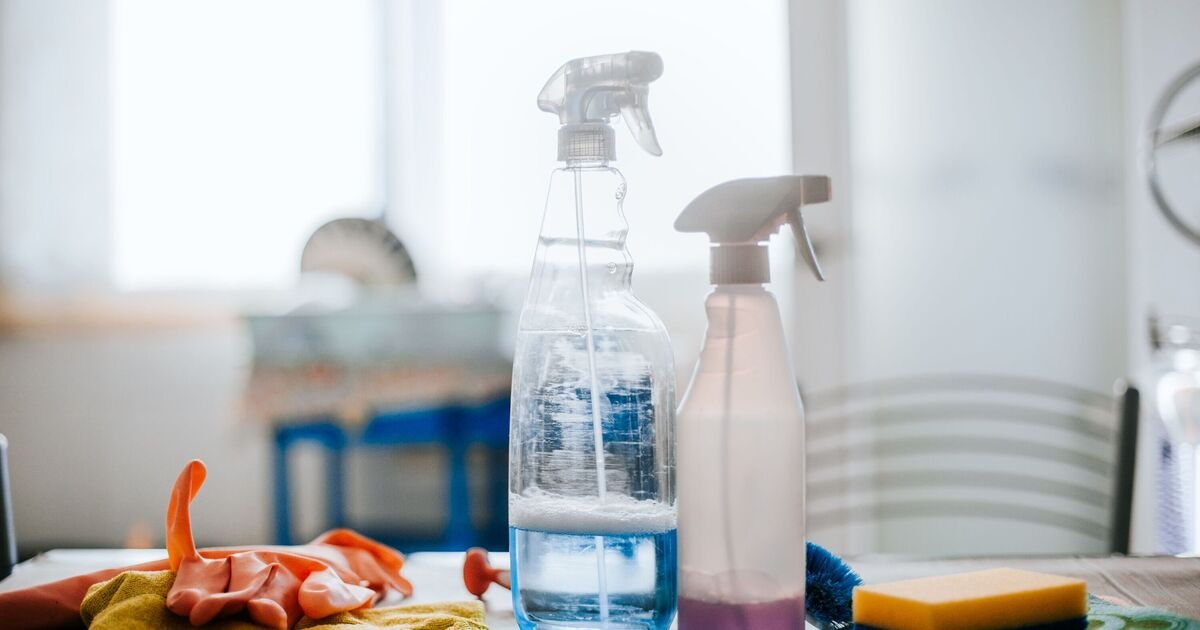

Kitchens typically hoard the most bacteria and dirt you’ll find in the home, and that’s because it is a room that is constantly being used and one that is susceptiable to all kinds of splashes, spillages, and stains.
While the majority of households make an effort to keep their kitchens as tidy as possible, carrying out a deep clean where you manage to get all the spots, even the forgotten ones, is something that many can admit they do not do often. However, UK households are being urged to take time out to clean one neglected spot in the kitchen that if left unclean, can cause serious health risks.
Appliance experts at Hisense say that your fridge’s water dispenser could be hiding an awful build up of mould and bacteria.
They explained that many people overlook the simple yet critical task that leads to water that smells and tastes odd and “could even pose a real health risk”. Many people may rely on the fridge’s water filter. However, that only does part of the job.
If you do not clean it regularly, over time mineral despoits will clog the lines, bacteria will multiple in the moist environment, and mould can easily fit into the nooks and crannies around the nozzle, and all of these nasty elements can end up in your water.
Fortunately Matthew Glynn, product manager at Hisense, revealed some top tips for cleaning the water dispenser in your fridge.
He said: “I’d recommend that every three to six months, people should look to do a simple deep clean – not only will your water taste better for it, but it will also protect your healh and extend the life of your fridge.
“You should always start by checking your fridge’s manual, either the one that came with the appliance, or an online version based on the model number, for brand-specific instructions.”
Matthew explained that for manual refill dispensers, you should remove the tank, wash it with warm soapy water, and clean all surrounding surfaces using a vinegar solution. For any hard-to-reach spots, use a soft brush, it “works wonders”.
For plumbed-in models, you must turn off the water supply, then use a funnel to pour distilled white vinegar directly into the dispenser tubing. Let it sit and then flush it thoroughly, and scrub the sprout to remove residue. Repeat the flushing until there is no trace of vinegar in the water or ice.
The expert concluded: “Don’t forget to change your fridge’s water filter every six months. This, combined with regular cleaning, ensures fresh, crisp-tasting water and extends the life of your appliance, saving you money in the long run.”
