


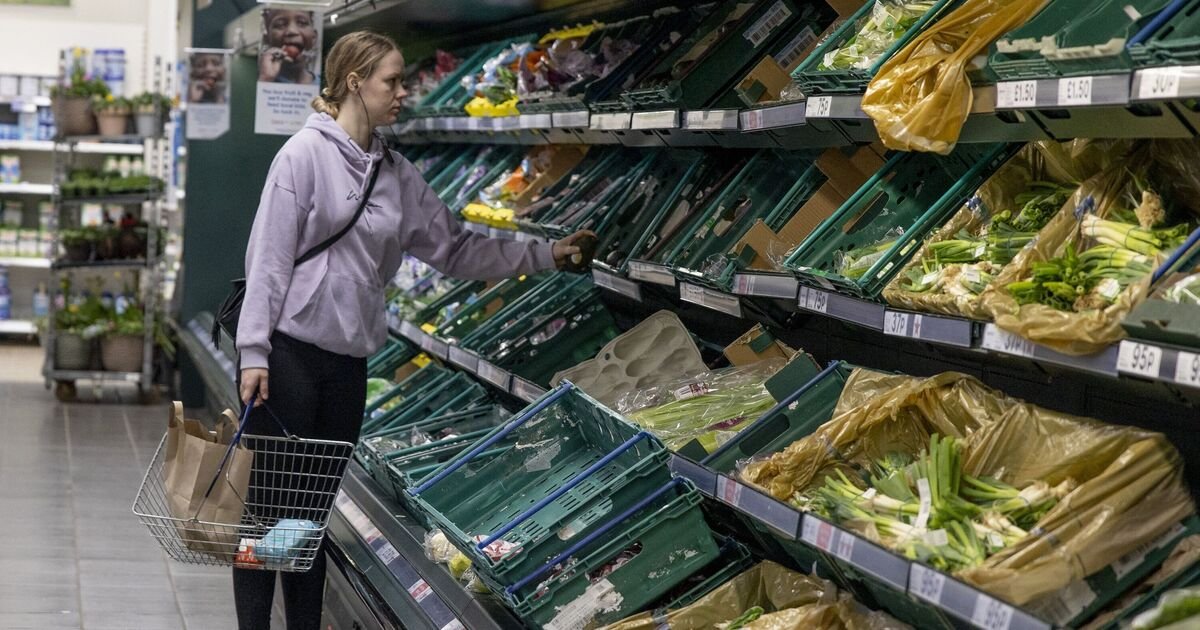
Households across the UK have been issued a warning over possible Christmas food shortages this year, which could see supermarkets facing a lack of stock and shoppers hit with higher prices.
The expected shortages are due to an exceptionally hot summer, with 2025 being declared the UK’s hottest since records began in 1884. The high temperatures over the summer came following an unusually dry spring with rainfall 40% below the long-term average, making it the driest spring in more than 50 years, according to the Met Office. The warm and dry weather conditions have had a significant impact on agriculture and food production, with analysts warning that harvests have suffered, affecting farmer’s ability to establish and manage their crops. According to new research by food waste experts at Business Waste, the hot weather over the spring and summer could lead to shortages of some Christmas foods at supermarkets this year, such as potatoes, parsnips, carrots and sprouts.
Reports have shown that many root vegetables have had to be harvested early, prompting the British Growers Association to warn back in August of significantly reduced yields.
Field vegetable farmers have also reported poor growing conditions, with broccoli and cauliflower producers claiming lower rates of production, while livestock farmers java also struggled to grow enough grass for their cattle and sheep.
Cereals and grains could also be under threat due to plants being stressed in the hot conditions, meaning many grains rushed to ripen earlier, bringing harvests forward. This usually results in lower yields, according to research by the Agriculture and Horticulture Development Board (AHDB), which could have an effect on foods such as bread, stuffing and beer.
Experts at Business Waste said: “There’s evidence to suggest there will be shortages of key Christmas foods, including:
Root vegetables: crops such as carrots, potatoes, and parsnips all require the soil to be consistently moist. This year’s hot and dry weather has had a clear impact. Reports have shown that many of these vegetables had to be harvested early, and the British Growers Association warned back in August of significantly reduced yields.
Brassicas: common winter staples such as cabbage, sprouts, and cauliflower all fall under the brassica family. However, these crops are also very water-hungry, meaning that yields are affected by current weather. Farmers expressed concern that we may see smaller and poorer quality yields this year.
Cereals and grains: due to plants being stressed by hot weather, many grains have rushed to ripen earlier, bringing harvests forward. This usually results in lower yields, as supported by research from the AHDB. It could have a knock-on effect on foods such as bread, stuffing, and even beer.”
In the UK, we produce 62% of our own food, including 53% of our fresh vegetables, and while importing food from abroad can help to plug shortages, it can lead to higher prices for shoppers.
Experts at Business Waste warned: “Usually, supermarkets rely on a ‘just in time’ supply chain model, which means there’s little option for storage. This is designed to cut costs and waste, but it can be prone to issues when there are shortages.
“As a result, some reports suggest that farmgate prices for root crops could spike 30-50% if shortages materialise. This will be another blow to consumers already experiencing high food bills, and experts predict that ‘climateflation’ will continue to rise, pushing up food prices by more than a third by 20507.
“Where UK supermarkets look to source produce from other countries, this can help provide much-needed produce, but will result in raised costs.”