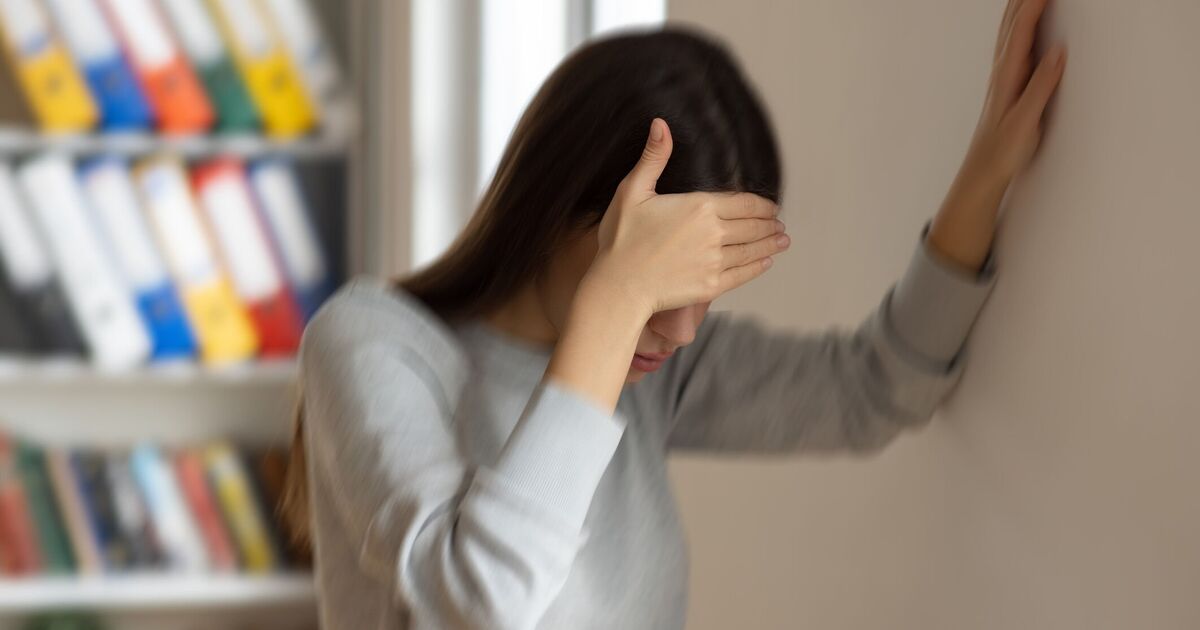

Frequent bouts of dizziness could be a sign of a syndrome often linked with long-covid, known as Postural tachycardia syndrome (PoTS). This condition is characterised by a rapid increase in heart rate, typically triggered by transitioning from a sitting or lying position to standing, leading to feelings of dizziness or lightheadedness.
The NHS has indicated that individuals suffering from certain conditions such as long-covid, chronic fatigue syndrome (CFS), myalgic encephalomyelitis (ME), or joint hypermobility syndrome are more susceptible to developing PoTS. While there is no definitive cure for PoTS at present, symptom management may be possible through lifestyle modifications and certain medications.
The manifestation of PoTS varies among individuals, with some experiencing mild symptoms and others grappling with severe symptoms that can disrupt daily life. A key indicator of PoTS is the onset of dizziness, lightheadedness, or heart palpitations upon standing up.
Additional symptoms may occur when rising from a seated or prone position include:
- shaking and sweating
- chest pain
- shortness of breath
- fainting or nearly fainting
PoTS can also have a number of other physical and mental symptoms, such as:
- Issues with vision such as blurring, tunnel vision, and headaches
- Extreme tiredness or fatigue
- Purple hands and feet
- Problems with memory and concentration, often referred to as ‘brain fog’
- Stomach or digestion issues, including being sick, constipation, bloating, and diarrhoea
How to find out if you have PoTS
If you suspect you might have PoTS, it’s advisable to consult your GP, who can assess your blood pressure and heart rate during various movements. It’s crucial to obtain a medical diagnosis for PoTS, as its symptoms can closely mimic those of low blood pressure.
Your GP might suggest undergoing blood tests and an ECG to aid in diagnosing your condition more accurately. In certain instances, you may be referred to a specialist for more comprehensive testing.
Treatment for PoTS
As there is no definitive cure for PoTS at present, the treatment plan suggested by your GP or specialist will likely centre around lifestyle modifications that could alleviate symptoms. These might include increasing your water intake and wearing compression garments.
Medication to manage PoTS symptoms may also be prescribed. This could encompass a variety of drugs, including those for heart conditions and steroids.
The NHS further recommends that individuals with PoTS avoid standing for prolonged periods, limit their consumption of alcohol and caffeine, and take extra time when transitioning from a lying or sitting position to standing.
More information on PoTS can be accessed on the NHS website here.
