

Engineer settles debate on whether vinegar is safe to use in your washing machine (Image: getty)
Another use of this household staple is as a washing machine cleaner, as vinegar has the ability to kill mould and also dissolve limescale. However, you may have heard that adding vinegar to your washing machine is bad for the appliance due to its acidic nature. With this in mind, the engineer and founder of EZY Appliance Repairs, Ryan, has shared whether or not it is safe to use vinegar in your washing machine in a TikTok video after one user commented, “Doesn’t vinegar’s acidity damage rubber or rust metal?”

White vinegar is one of the best secret weapons when it comes to doing laundry (Image: Getty)
Can you use vinegar in your washing machine?
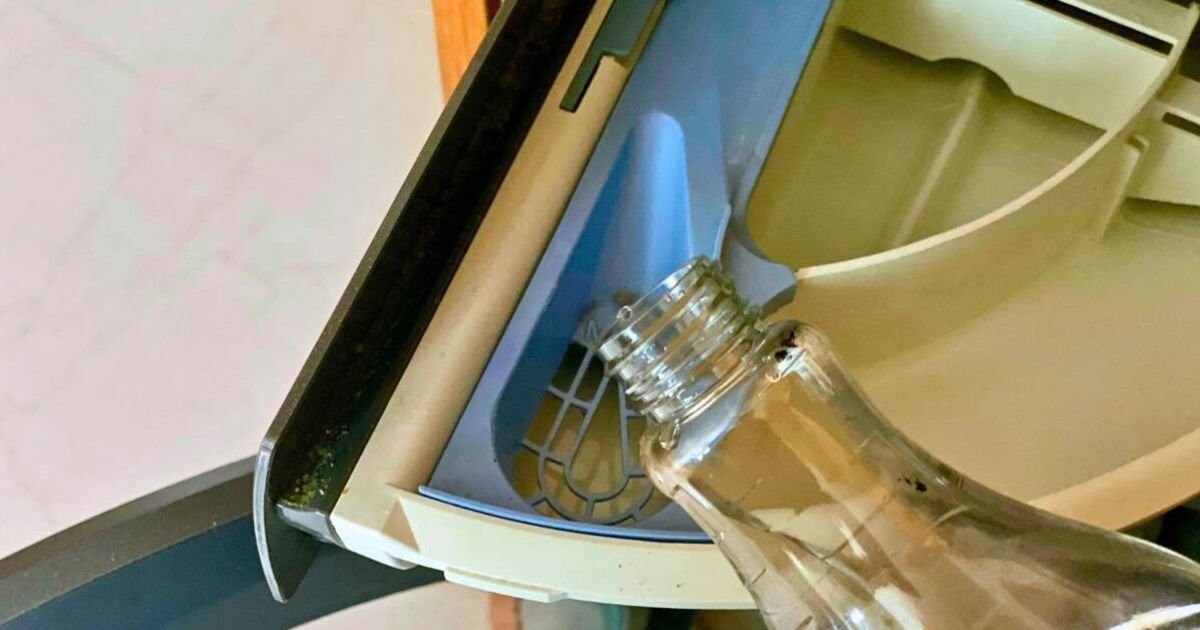
In the video, Ryan responded by saying scientifically proven vinegar is a product that “can cause corrosion”, but that’s unlikely to occur in the washing machine if you put it in the right compartment of the appliance. Ryan showed that the vinegar needs to be added to the washing machine drawer rather than the drum.
He explained, “When it goes from here (the washing machine drawer) to the drum, it gets washed up by the end of the cycle. The drum is stainless steel, which withstands corrosion. You need to soak it in vinegar to get it corroded.”
Ryan noted that it is possible for the outside of the washing machine to get corroded by vinegar if it spills, but only if it’s always happening. The engineer pointed out that he’s been using vinegar in the washing machine “for years”, and so have his customers, and they’ve “never had an issue”.
Cleaning enthusiast and the voice behind the UK-based eco-blog Moral Fibres Wendy Graham is all for using vinegar in washing machines. She said, “White vinegar softens your clothes without coating your clothing. This means your clothes smell fresher, and your machine doesn’t get clogged up.
“With conflicting advice, it’s hard to know how to proceed. But I think, when used sensibly, vinegar is a simple, affordable, and lower-impact option that works well for many households – including mine.
Ensure our latest cleaning headlines always appear at the top of your Google Search by making us a Preferred Source. Click here to activate or add us as Preferred Source in your Google search settings
“Personally, given that most washing machine brands say you can use vinegar and the ones that say you can’t sell more expensive products that contain citric acid, I’m going to continue using vinegar in my washing machine. I’ve been using vinegar in my laundry for about 18 years now. So far, I’ve never had a problem related to the seals, hoses or gaskets.”
If there’s anything you put in your washing machine that “does harm”, Wendy argued that it’s a fabric softener. She claims that it “encourages the growth of bacteria and mould” in your washing machine, causing a whole “manner of stinks and potential plumbing problems”.
What is another natural cleaning product you can use on washing machines?
If you’re still sceptical about using vinegar to clean your washing machine, soda crystals are another great natural ingredient you can use. Soda crystals are an old household cleaning staple that costs a fraction of branded washing machine cleaners and performs many of the same functions
Soda crystals dissolve grease effectively. Putting them directly into the drum and running a hot wash (60 degrees or above) helps clear grease, detergent residue, and mould build-up from the drum, door seal, and inner workings. This is particularly useful if the machine is run mostly on low-temperature settings or with liquid detergent – both of which tend to leave more residue over time
