
Heating can cause many issues in households and quickly rack up your energy bills.
Many of us may twist our radiator knobs when the nippy weather hits, not actually knowing what those little numbers represent.
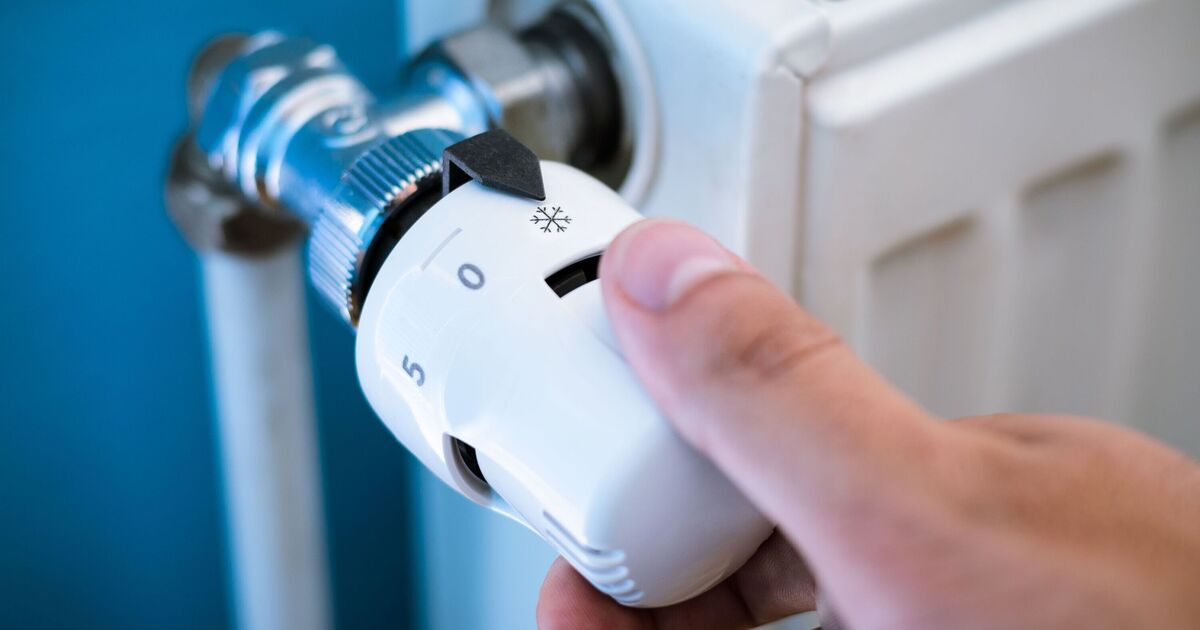
These aren’t just for show – they’re called thermostatic radiator valves (TRVs) and are numbered one to five, but contrary to popular belief, they don’t reflect the temperature of the radiator itself.
Instead, British Gas engineers explained that they detect the temperature of the room, and then adjust the radiator so that the room is as warm as you want it.
TRVs have a numbered dial, usually from zero to five, with each number corresponding to a temperature range.
Radiator numbers
1 = 10 degrees
2 = 15 degrees
3 = 20 degrees
4 = 25 degrees
5 = 30 degrees
So you can have a toasty lounge set to three or four, with the empty spare room set to one or an already oven-warmed kitchen set to two, for example.
The engineers said: “All you need to do is turn the dial on the TRV in each room so it is only as warm as you want it.
“This greater control over your heating can help reduce the amount of energy you use, which can in turn save money.”
So how do the controls work? Well, a TRV comprises a head and a body and it controls the flow of water to your radiators.
When the room reaches the set temperature, it stops the radiators from getting any hotter.
When the room temperature changes, the head expands. It then moves a pin into the valve body.
If the temperature’s too hot, the valve closes and stops the hot water coming to the radiator.
If it’s too cold, the valve opens and lets more hot water in to reach the set temperature.
For those who have a room thermostat, they do not need a thermostatic radiator valve.
The key benefit of TRVs is that they can help you stop heating parts of your home that you don’t need to which means “you’ll be reducing your energy usage and saving money”.
