


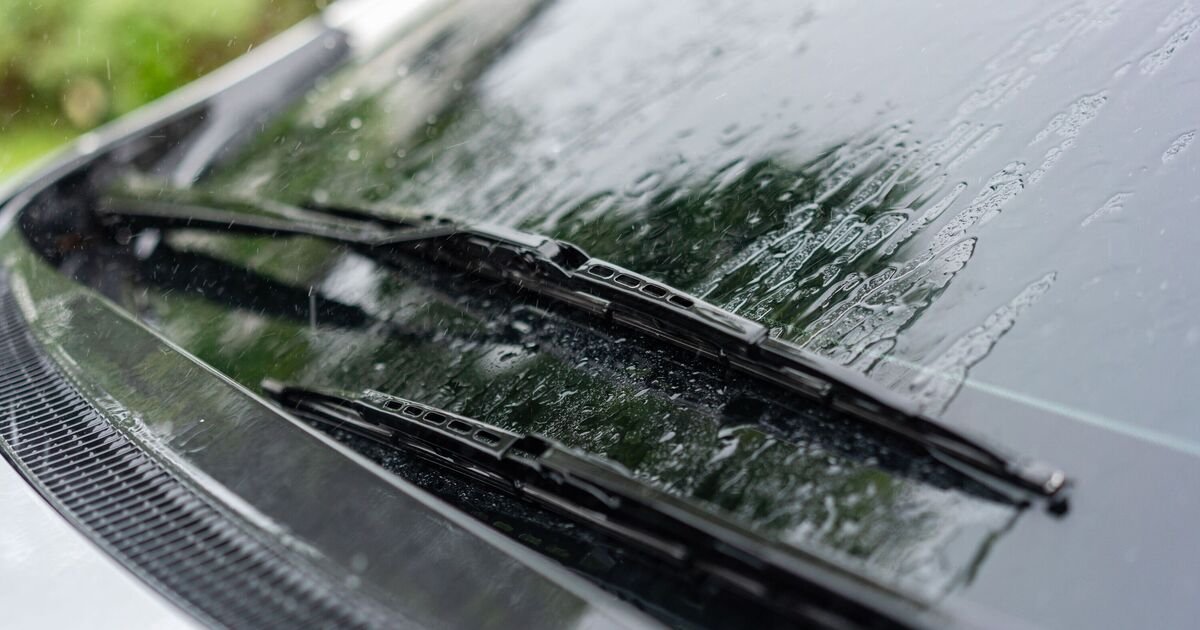
UK drivers have been advised to skip using the dehumidifier and use two buttons instead to clear windscreens. The Met Office has forecasted showery spells across the UK for the remainder of the week, and rainfall is expected to continue in certain parts of the nation throughout the rest of the month.
Alongside the wet weather, temperatures are continuing to plummet, with Brits nationwide facing freezing conditions. With that, the harsh temperatures can cause a number of disruptions, including foggy windscreens for drivers, which is caused by the temperature inside the vehicle being warmer than the temperature of the glass.
As a result, the warm and humid air condenses on the cooler inner surface, resulting in an obstructed view when driving. Fortunately, there is a simple method to solve the issue that affects millions.
According to an expert at FixMyCar, using just two buttons can make all the difference.
Matt Wrankmore, head of garage network at FixMyCar, told Sun Motors: “Before parking, blast cool air briefly to reduce humidity in the cabin.
“In the morning, use warm air and switch on the air conditioning, which acts as a dehumidifier and clears the glass without smearing.”
Mr Wrankmore also shared an easy and cost-effective way to prevent door seals from freezing up overnight.
The expert explained that all you need to do is apply a smear of Vaseline (petroleum jelly) to the rubber door seals of your car to prevent them from sticking and freezing in cold, damp conditions.
He said: “A light smear of Vaseline on rubber door seals helps prevent them from freezing shut, although it should not be used on wiper blades.
“Keeping locks dry and covered where possible also reduces the chance of freezing.”
To carry out the method properly, first clean the seals with a damp cloth to remove dirt, grit and any residues that could trap moisture.
Dry the seals thoroughly, as applying Vaseline to damp rubber will reduce its effectiveness.
Then, apply a very thin layer of Vaseline using a soft cloth or your fingertip along the length of the seal to create a light sheen, rather than a visible layer.
Doing this will form a moisture-resistant barrier that doesn’t freeze, helping the rubber remain supple and preventing water ingress from bonding the seal to the door frame. It’s recommended to use it on the rubber seals around car doors and the boot, where freezing and sticking are most likely to occur.
You should, however, avoid using Vaseline on wiper blades as it can smear the windscreen and even degrade certain rubber compounds over time.