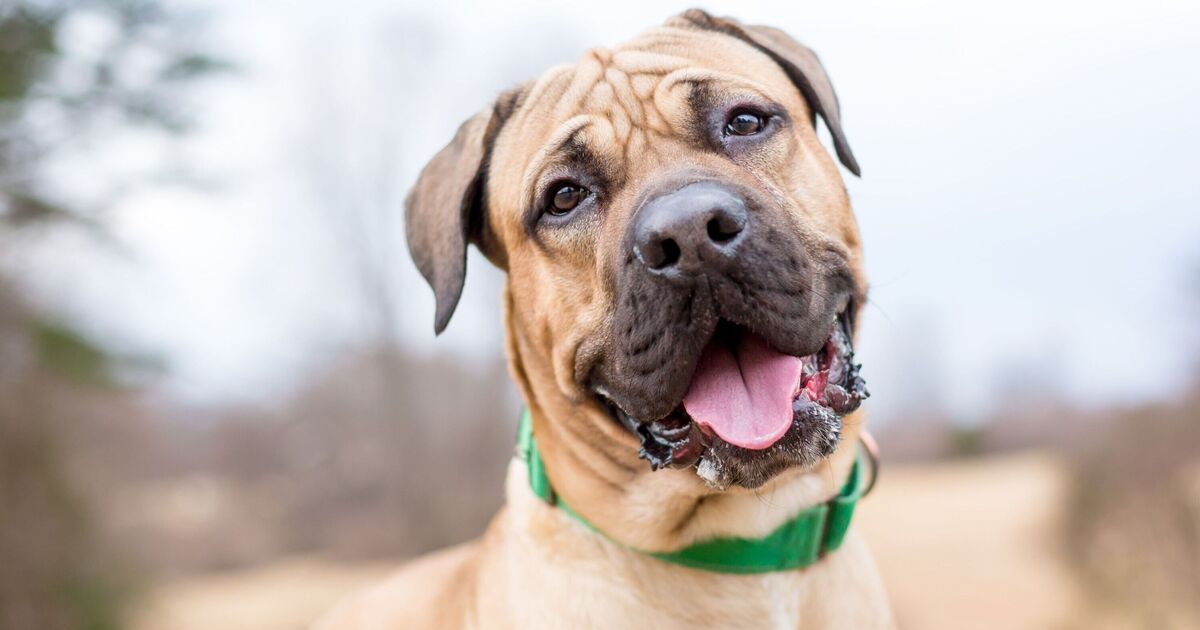

Before you fall in love with a cute puppy face or pick a dog based on looks alone, there’s one key factor every potential owner should think about: exercise needs. Dogs come in all shapes, sizes, and energy levels – some thrive on long runs, daily hikes, and hours of play, while others are content with a gentle stroll around the park.
Larger breeds often requiring more physical activity and extended walks, and so it’s important to consider choosing a dog that matches your lifestyle. Dr Emma Scales-Theobald, a canine behaviourist and partner at Canine Cottages, says that one specific breed group needs much more exercise. Despite there being 223 pedigree breeds in the UK, it’s the working dogs that demand more physical exertion due to their high stamina.
The Kennel Club states that working dogs are a collection of breeds bred for specific tasks such as property protection or search and rescue missions. They are intelligent, strong, watchful, and alert.
Familiar working dog breeds include Boxers, Dobermanns and Rottweilers. However, the UK Kennel Club recognises a total of 26 official working dog breeds.
Dr Scales-Theobald further added that most dogs typically enjoy 30 minutes to an hour of exercise, while older or injured dogs may require shorter sessions.
During hot weather, all dogs should have reduced exercise sessions and these should be scheduled during the cooler parts of the day – early morning and evening.
Puppies also require special attention as their joints are still maturing. To protect their joints, it’s best to limit their exercise until they reach at least one year of age.
She stresses that factors such as breed, age, weight, stamina, weather, and the type of exercise should all be considered when determining the duration of your dog’s exercise.
Older dogs, typically those aged eight and above, should be exercised with care to account for joint problems and other conditions that come with age.
Shannon Keary, Digital PR Manager at Canine Cottages, said: “As we see sunnier days arriving across the UK, many of us are excited to continue our fitness routines in the sun, and including our furry friends can keep us motivated and active.
“Emma’s tips are crucial for dog owners, offering valuable advice on the right steps to take and how to ensure your dog’s safety during exercise.”
