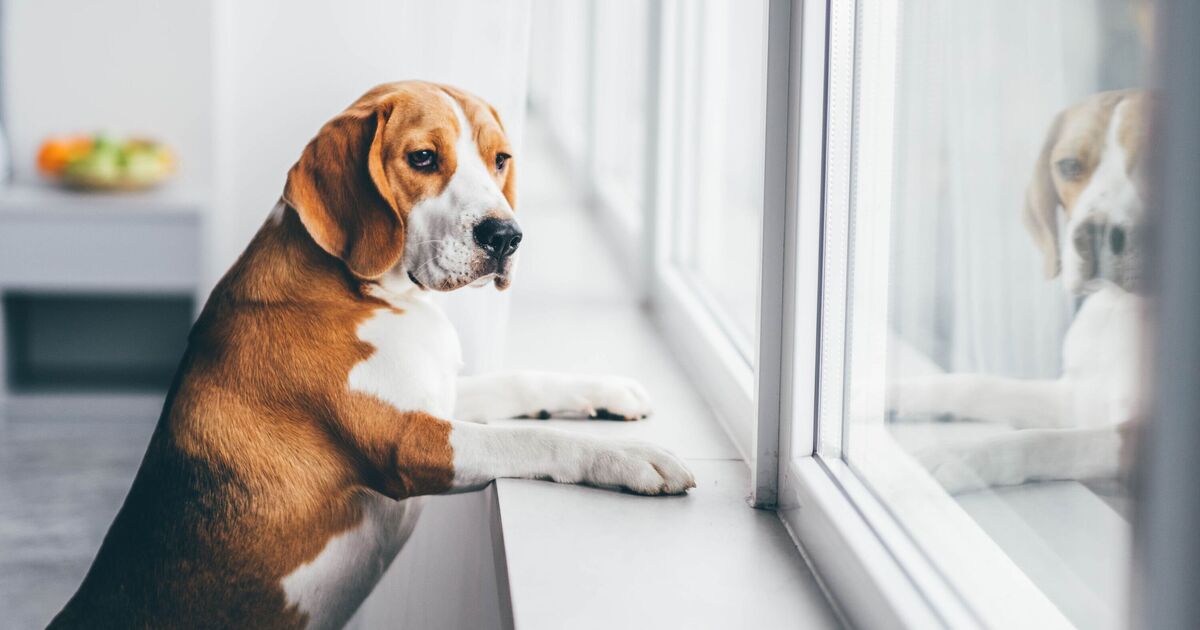

For many dog owners, knowing how long is too long to leave their dog alone can be a real source of anxiety. Some dogs are perfectly content snoozing the day away, while others become distressed, bark excessively, or cause damage around the house. Whether you’re heading to work, running errands, or just stepping out for a few hours, the thought of your pet waiting at the door or worse, becoming anxious or destructive, can be worrying.
Certified Clinical Animal Behaviourist Rosie Bescoby, speaking in a video for ADAPTIL, a brand known for developing products that help dogs manage stress and anxiety, shared valuable advice for owners worried about leaving their pets home alone. She explained: “Many dogs struggle being left home alone, and it can be a difficult problem to overcome, but with the right support and tools, and with a bit of time and patience, it is possible to teach dogs that it’s okay to be left home alone.”
Factors such as age, breed, temperament, health, and what they’re used to all affect how long a dog can comfortably be left by themselves.
While every dog is different, the RSPCA recommends that dogs should not be left alone for more than four hours at a time.
Some dogs show clear signs of distress, like barking or howling, toileting indoors despite being trained, or destructive behavior near doors and windows. However, not all signs are obvious.
Bescoby recommends using a camera to record your dog when you’re not home. Often, owners are surprised to discover signs of stress they hadn’t noticed such as pacing, whining, or subtle restlessness.
Preventing separation anxiety starts early, ideally from the moment a dog joins your household. The RSPCA advises gradual training to help your dog associate being alone with calm and positive experiences.
Start by encouraging your dog to stay in their bed while you remain nearby. Reward them for staying relaxed then slowly increase the distance and time you’re away step out of the room for a minute or two, then return and praise them if they stay calm. Gradually progress to leaving the house for short intervals.
If your dog begins to show signs of distress such as refusing food or becoming agitated take a step back and try again at a slower pace.
Mental stimulation is essential to prevent boredom and anxiety when you’re out. The RSPCA recommends leaving a safe chew toy or puzzle feeder, stuffing a Kong with a portion of your dog’s daily meal, and rotating special toys that only appear when you’re out to make them extra exciting.
To help your dog settle, ensure they’ve had enough physical and mental activity beforehand by taking your dog out for a walk around 30 minutes before you leave, make sure they’ve had a chance to go to the toilet, and feed them a small meal if it’s part of their routine.
